
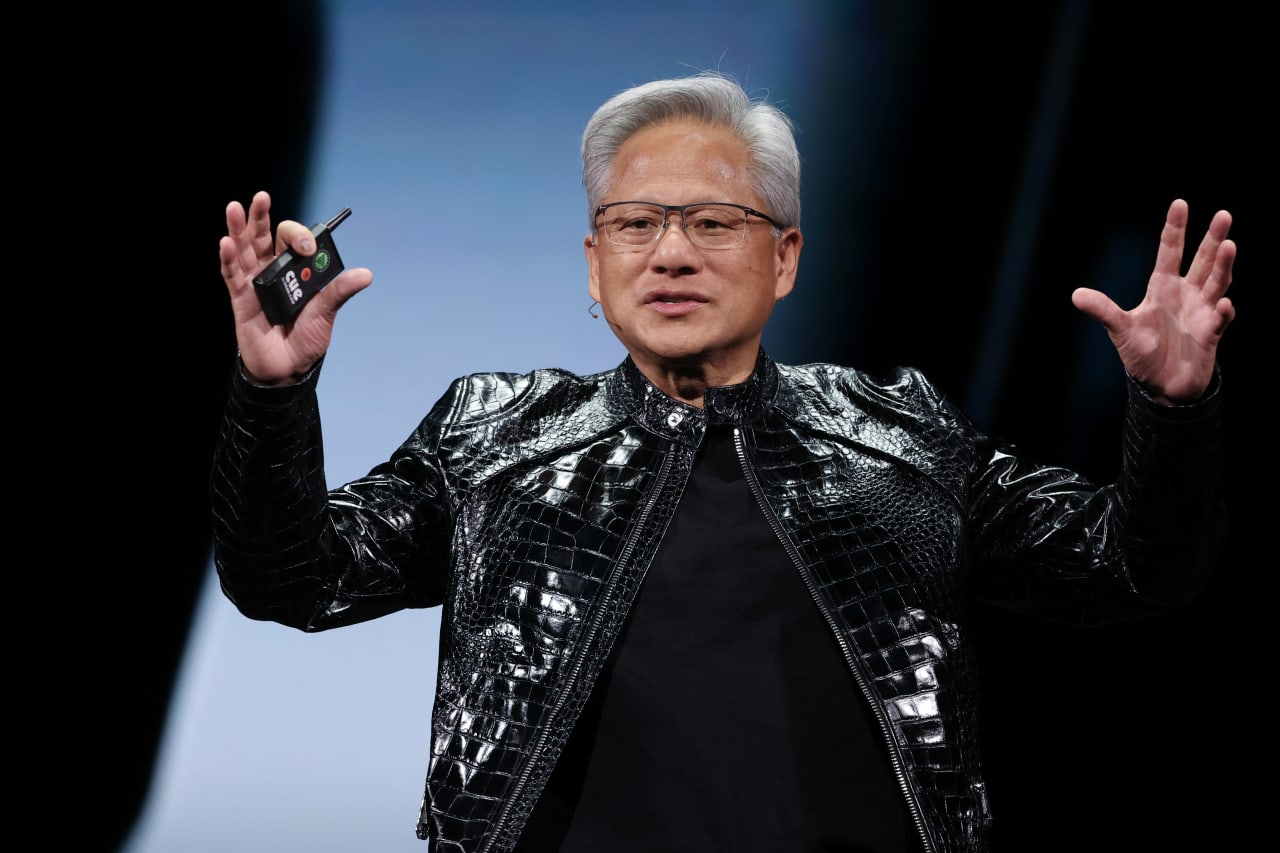
DAVOS, Switzerland – NVIDIA CEO Jensen Huang acknowledged the current economic challenges surrounding the deployment of data centers in space, stating that “the economics are poor today” but expressing optimism that costs will decline over time. Huang made the comments during a conversation with BlackRock CEO Larry Fink at the World Economic Forum’s annual meeting in Davos on Wednesday, February 25th, according to reports from Business Insider.
Huang’s assessment comes as the potential for space-based data centers gains traction among technology leaders, driven by the increasing demands of artificial intelligence and the need for greater computational power. The idea centers on leveraging the unique environment of space – including access to abundant solar energy and potentially improved cooling capabilities – to host massive data processing facilities. However, the substantial costs associated with launching and maintaining infrastructure in orbit currently present a significant barrier to widespread adoption.
The NVIDIA CEO’s remarks align with a broader discussion at the World Economic Forum regarding the central role of AI in future economic planning. As reported by AIMagazine, Huang’s conversation with Fink underscored the growing recognition of AI’s transformative potential across various sectors. Nvidia, a leading designer of graphics processing units (GPUs) crucial for AI workloads, has seen substantial growth in recent quarters, fueled by demand for its chips from companies developing and deploying AI applications.
Despite the current economic hurdles, Huang believes that advancements in space technology and increased launch frequency will eventually drive down the cost of accessing space, making space-based data centers more viable. He acknowledged that the economics are not currently favorable, but predicted improvements “over time.” This sentiment echoes similar statements made by other tech executives who observe long-term potential in the concept, even if immediate profitability remains elusive. MarketWatch reported on Huang’s acknowledgement of the current economic realities.
Huang’s comments also come after Nvidia recently reported strong earnings, driven by robust demand for its AI chips. The Street noted that Huang framed AI in stark terms during his Davos appearance, suggesting a fundamental shift in economic calculations driven by the technology’s rapid advancement. The company’s financial performance underscores its position as a key enabler of the AI revolution, but also highlights the significant investment required to support its growth.
The question of whether space-based data centers will become a mainstream component of global computing infrastructure remains open. Nvidia has not publicly detailed specific investments in the technology, and the timeline for achieving economic viability remains uncertain. Further developments in reusable rocket technology and in-space manufacturing will likely be critical factors in determining the feasibility of Huang’s long-term vision.
