NVIDIA and Google DeepMind Release AI-Predicted Viral Protein Structures for Pandemic Preparedness
AlphaFold Database Expands With 2,800 Viral Proteomes to Bolster Pandemic Preparation
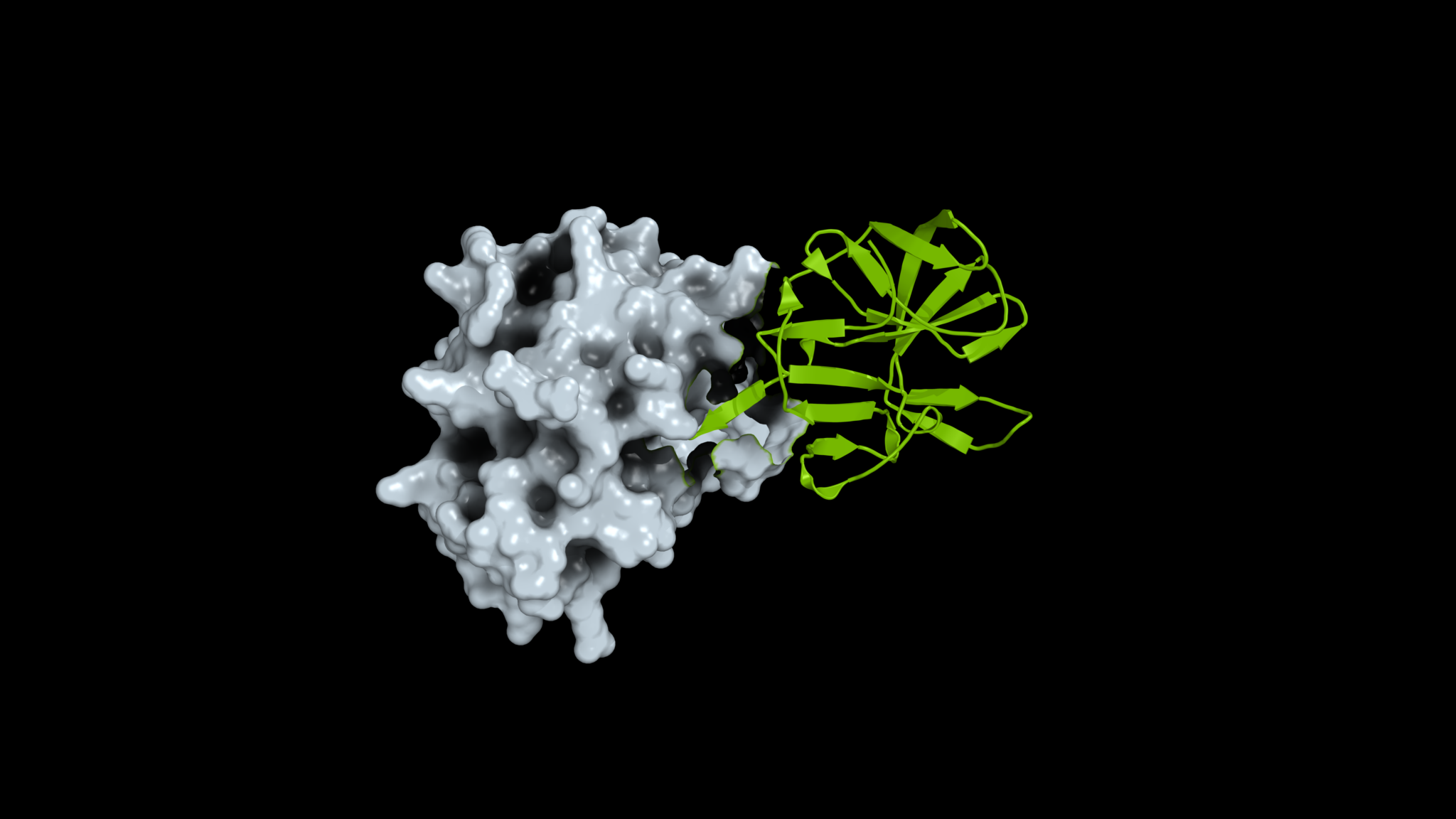
As the scientific community looks toward future biological threats, a coalition of global research organizations has released predicted 3D structures for protein complexes across more than 2,800 viruses. Announced during a United Nations General Assembly meeting convened by the World Economic Forum in New York City, the release addresses a critical vulnerability identified during the COVID-19 pandemic: the lack of structural knowledge for emerging pathogens before an outbreak occurs.
The Tech TL;DR:
- What Dropped: Predicted 3D structures for protein complexes from more than 2,800 viruses are now openly available on the AlphaFold Database.
- The Tech Stack: Built using Google DeepMind’s AlphaFold2 model, accelerated and optimized via the NVIDIA BioNeMo Inference Runtime and GPU infrastructure.
- Impact: Roughly 30% of the included protein interactions are completely new to science, establishing a pre-computed digital inventory to accelerate diagnostic and vaccine design.
Scaling Structural Biology via GPU Acceleration
When SARS-CoV-2 emerged, researchers possessed decades of prior coronavirus research that mapped key viral proteins. Future outbreaks may lack that foundational runway. To close this gap, the newly released dataset provides predicted 3D structures for viral complexes across human-infecting families, ranging from common cold variants to emerging threats like Mpox. According to an analysis by the Center for Global Development, the world faces a roughly 50% probability of a COVID-scale pandemic by 2050.
Generating these models at scale required shifting away from slow, traditional experimental methods such as X-ray crystallography, which demands physical protein crystallization and years of laboratory work. Instead, the team utilized Google DeepMind’s AlphaFold2, optimized with the NVIDIA BioNeMo Inference Runtime to run efficiently on NVIDIA GPUs. This architecture reduced prediction timelines from years to minutes per structure.
# Example command structure for NVIDIA BioNeMo pipeline execution
bionemo-inference run
  --model alphafold2
  --input-proteome viral_sequences.fasta
  --output-dir /data/structural_predictions
  --accelerator gpu
“Our ambition with the AlphaFold Database has always been to democratize access to foundational biology at scale,” said Risha Patel, life sciences partnerships manager at Google DeepMind, regarding the global release. By integrating these predictions into the public archive, the platform now houses over 260 million protein and protein complex predictions covering nearly every cataloged protein known to science.
Architecture of the Open Pipeline
Approximately 30% of the protein interactions added to the database represent structural formations never before documented in the Protein Data Bank. Because most proteins execute complex biological functions by binding in multi-molecule groups rather than acting in isolation, these complex predictions provide the mechanical blueprints needed by vaccine and drug developers.
To support independent verification and local execution, NVIDIA is openly releasing the BioNeMo Structure Prediction Pipeline. This GPU-accelerated workflow enables laboratory researchers to convert raw protein sequences into predicted 3D structures for their own specific targets. “This database is an engine for hypothesis generation,” said Chris Dallago, applied research science team lead in digital biology at NVIDIA. “We’re enabling biologists and the AI community to investigate protein interactions, not just as single molecules but as complexes, so the whole field can move forward.”
The collaborative effort spans multiple institutions, including the Coalition for Epidemic Preparedness Innovations, EMBL-EBI, Seoul National University, Sungkyunkwan University, the Swiss Institute of Bioinformatics, and the University of Glasgow. Jo McEntyre, interim director of EMBL-EBI, emphasized that open data access significantly lowers entry barriers for researchers in low-resource environments managing outbreaks locally.
Forward-Looking Scientific Infrastructure
Stockpiling structural knowledge ahead of an emergency shifts pandemic response from reactive scrambling to proactive validation. By utilizing open-access repositories and high-throughput prediction pipelines, virology teams can bypass the initial years of structural guesswork that historically hindered novel pathogen research.
“When I did my Ph.D., there were no structures for any of the proteins we were investigating. It was like working in the dark — we had to guess what was going on,” noted Joe Grove, professor of molecular virology at the Medical Research Council-University of Glasgow Centre for Virus Research. “This dataset is a powerful tool for all the researchers doing their Ph.D.s now, giving them high-quality structural data that’s going to accelerate fundamental science.”