Nvidia Agrees to $290 Million Settlement Over Crypto Mining Sales Disclosure Lawsuit
Nvidia has agreed to a $290 million settlement to resolve a long-standing class-action lawsuit accusing the chipmaker of misleading investors about the impact of cryptocurrency mining on its sales.
- The settlement covers investors who purchased Nvidia common stock between August 10, 2017, and November 15, 2018.
- Nvidia denies any wrongdoing and continues to contest the accusations made by the plaintiffs.
- The agreement remains subject to final approval by a federal judge in California.
The lawsuit alleged that Nvidia and its CEO, Jensen Huang, understated how much revenue was tied to cryptocurrency miners rather than traditional gamers. According to BFMTV, plaintiffs claimed the company’s failure to disclose this dependency caused significant losses when the crypto market cooled in 2018, leading to a 28.5% drop in the company’s stock value at the time the issue became apparent.
Origin of the GPU Mining Surge
Initially, the graphics processing units (GPUs) were designed and marketed by Nvidia for the video game industry, which served as the company’s reference market. However, the creation of many cryptocurrencies requires performing complex calculations as defined by their designers.
Individuals or, more frequently, companies dedicated servers to these operations and received digital currencies in exchange. During the latter half of the 2010s, many of these entities purchased GPUs to perform these calculations.

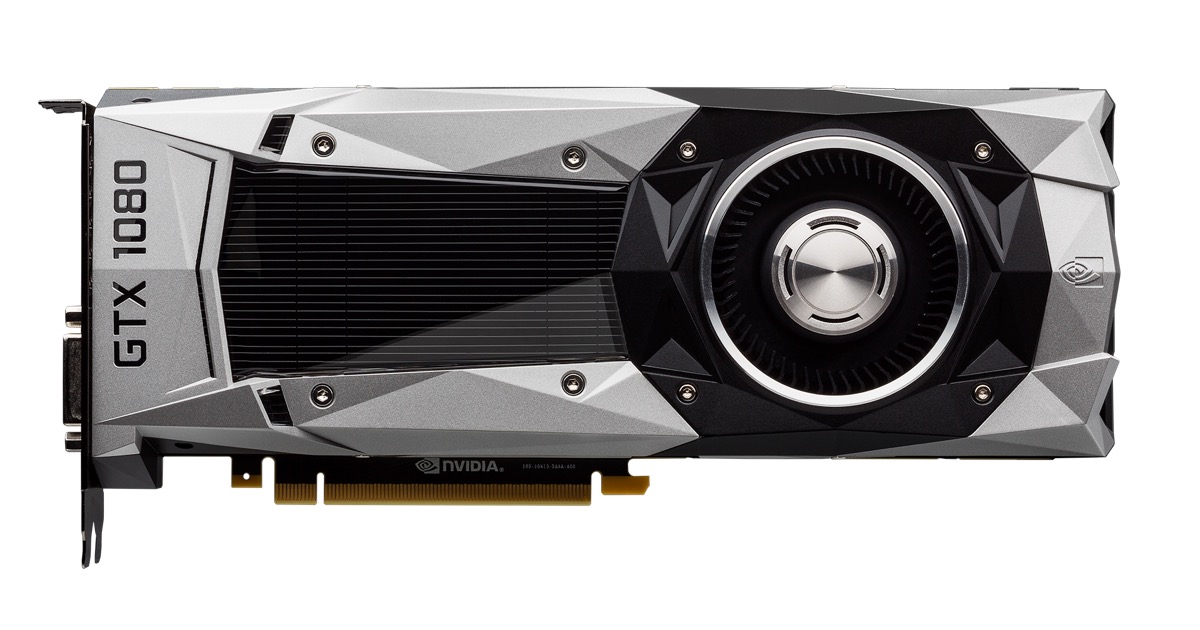
The hardware involved included models such as the GeForce GTX 1080 Founders Edition, which launched in 2016, according to KultureGeek. In July 2017, mining installations were commonly equipped with components like five GeForce GTX 1070 cards.
Litigation and Financial Impact
This litigation, titled In re Nvidia Corporation Securities Litigation, was initiated on December 21, 2018, in the U.S. District Court for the Northern District of California, Nioc.net reported. The case was brought by the pension fund managers of an American metalworkers’ union against Nvidia, Jensen Huang, and Chief Financial Officer Colette Kress.
While Nvidia previously sought to have the case dismissed, a court of appeals reinstated parts of the claim, and the U.S. Supreme Court declined to hear an appeal in December 2024.
Following a peak in the first quarter of 2018, Nvidia’s growth gradually slowed. By the fourth quarter of its 2019 fiscal year, which closed at the end of January 2019, the company’s revenue began to decline. Bernstein Litowitz Berger & Grossmann published the certification order and the November 24 request seeking preliminary approval of the agreement, which details the $290 million cash settlement with Nvidia and Huang, according to Bfmtv.
| Event | Date |
|---|---|
| Class period begins | August 10, 2017 |
| Class period ends | November 15, 2018 |
| Lawsuit filed | December 21, 2018 |
| Class certification granted | March 25, 2026 |
Nvidia previously settled a separate matter with the U.S. Securities and Exchange Commission in May 2022. The company agreed to pay $5.5 million to resolve claims that it failed to adequately disclose the influence of mining on its gaming segment during two quarters of its 2018 fiscal year, KultureGeek noted. Nvidia settled that procedure without admitting or denying the findings, and the current class-action settlement is independent of that regulatory action.

Regarding the funding of the current $290 million settlement, Nvidia indicated that “la majorité” of the payment will be covered by the company’s insurers, BFMTV reported. The court must now conduct a final review of the proposed terms before the funds can be distributed to eligible investors.