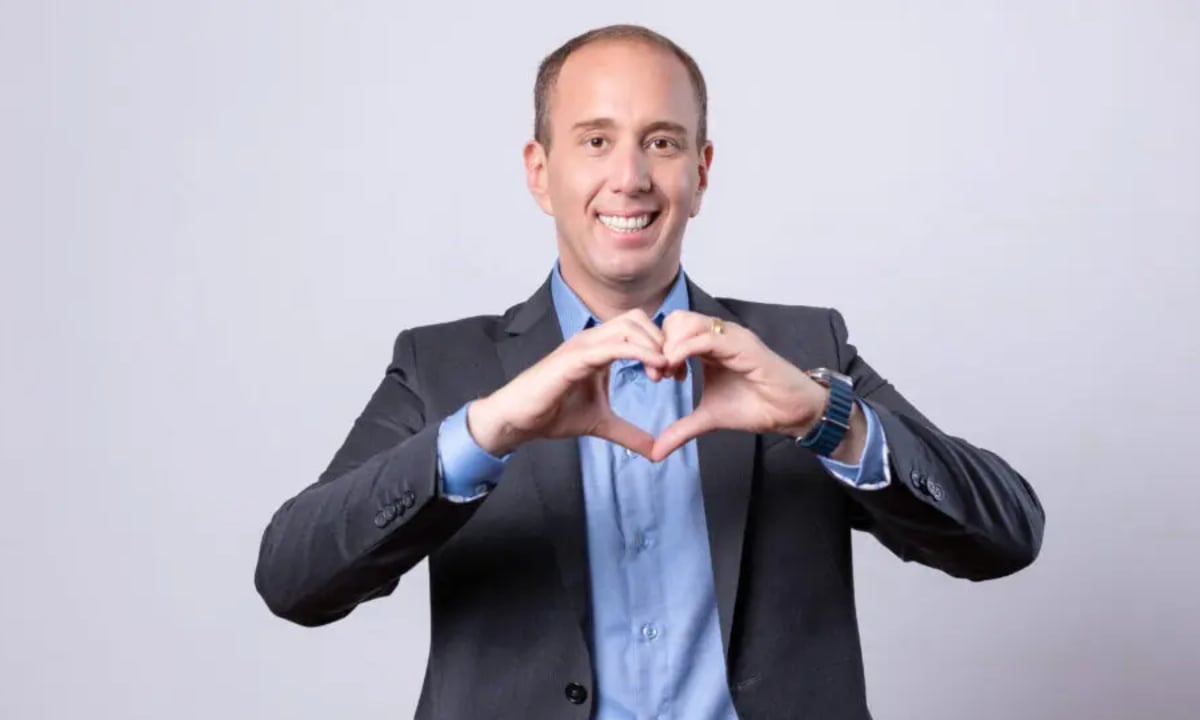
Nunes Marques suspende afastamento de Rodrigo Manga, o prefeito ‘tiktoker’ de Sorocaba – CartaCapital
Supreme Court Minister Nunes Marques has reinstated Rodrigo Manga, the viral “TikTok Mayor” of Sorocaba, halting a 145-day suspension linked to health fund embezzlement allegations. The ruling cites “excessive intervention,” prioritizing political sovereignty over ongoing federal police investigations into the digital influencer’s administration.
In the high-stakes theater of modern governance, the line between a political administration and a content creation studio has all but vanished. Rodrigo Manga, the mayor of Sorocaba, Brazil, didn’t just win an election; he built a media empire with 3.8 million followers, leveraging short-form video to bypass traditional gatekeepers. But when the Federal Police alleged he was the ringleader of a corruption scheme diverting public health funds, the narrative shifted from viral comedy to federal crime. Now, in a decision that ripples through the intersection of law and digital brand equity, Minister Nunes Marques of the Supreme Federal Court (STF) has suspended Manga’s removal from office, arguing that keeping him away constituted an overreach into municipal sovereignty.
This isn’t merely a legal procedural update; it is a case study in the fragility of digital political capital. Manga had been sidelined for 145 days of an initial 180-day term, a suspension upheld by the Superior Court of Justice. The Federal Police had painted him as the primary beneficiary of a criminal organization. Yet, the STF’s latest injunction pivots on a specific logistical nuance: a contract signed in June 2025 by the Autonomous Water and Sewage Service (SAAE). Minister Marques argued that as SAAE is an indirect administration entity, linking its contract directly to the Mayor’s signature to justify continued removal was legally tenuous. “In this perspective, I think maintaining the measure constitutes, in the present case, excessive intervention in the political and administrative sphere of the Municipality,” Marques wrote, effectively pausing the bleeding on Manga’s political brand.
The “Influencer Politician” as a High-Risk Asset
Manga’s rise was predicated on a specific type of brand authenticity—videos in a mocking, irreverent tone that resonated with a demographic typically disengaged from traditional politics. Though, in the entertainment and media landscape, authenticity is a double-edged sword. When a public figure’s entire value proposition is their accessibility and viral reach, a corruption scandal acts as a catastrophic reputation management event. It threatens not just their tenure, but their future monetization and syndication potential across platforms.
For industry professionals watching this unfold, the Manga case highlights a critical gap in the market. When a personality of this magnitude faces federal indictment, standard political defense is insufficient. The immediate requirement is for elite crisis communication firms and reputation managers who understand the algorithmic velocity of scandal. A statement released to the press is no longer enough; the defense must be a multi-platform content strategy that counters the negative sentiment analysis in real-time.
“We are seeing the collision of two distinct legal frameworks: electoral law and digital media liability. When a politician operates like a streamer, their legal defense must account for community guidelines and brand safety metrics just as much as penal codes. The court’s hesitation to remove him suggests a recognition that the ‘digital mandate’ carries a weight that traditional administrative suspensions struggle to quantify.”
This insight comes from Elena Rossi, a senior partner at a top-tier media law firm specializing in intellectual property and public figure rights. Her observation underscores the complexity of the STF’s decision. By framing the suspension as “excessive intervention,” the court inadvertently validated the strength of Manga’s direct connection to his voter base—a base cultivated entirely through social media engagement.
Legal Precedents and the Sovereignty of the Vote
The defense’s reaction was swift, framing the decision as a victory for popular sovereignty. “Once again, the Supreme Court shows itself to be the guardian of political rights and popular sovereignty,” the defense team registered. This rhetoric is calculated. It attempts to reframe the narrative from “corruption suspect” to “persecuted leader,” a classic maneuver in political crisis communications. However, the legal reality remains precarious. The decision is a preliminary injunction (liminar) and still requires ratification by the Second Panel of the STF in an extraordinary virtual session.
The core of the dispute involves the alleged diversion of funds intended for public health—a sector where fiduciary responsibility is paramount. Per the filed court docket, the investigation points to Manga as the leader of a criminal group. Yet, the Minister’s focus on the SAAE contract reveals a forensic approach to the evidence. If the link between the Mayor’s executive power and the specific illicit contract cannot be categorically proven without assuming risk to public order, the suspension collapses. This is a victory for due process, but a potential nightmare for public perception.
The Business of Viral Governance
From a directory and business perspective, the “TikTok Mayor” phenomenon represents a novel vertical in event management and political hospitality. A politician with nearly 4 million followers commands a media buy that would cost a traditional campaign millions in ad spend. When that figure is embroiled in scandal, the ripple effects hit local vendors, luxury hospitality sectors that host political fundraisers, and the broader ecosystem of regional event security that protects high-profile figures.
The industry must ask: Is the “content creator” model of governance sustainable when faced with the rigid structures of federal law? The data suggests a volatile mix. While Manga’s return to office is a win for his legal team, the brand equity damage may be irreversible without a sophisticated rehabilitation strategy. The court’s decision protects the office, but it does not absolve the brand.
- Jurisdictional Friction: The conflict between Federal Police investigations and Municipal Executive autonomy creates a legal gray zone that requires specialized criminal defense attorneys with experience in administrative law.
- Digital Mandate: The 3.8 million follower count acts as a shield, creating a “digital moat” that makes traditional removal politically costly for the judiciary.
- Contractual Nuance: The distinction between direct executive signatures and indirect autarchy contracts (like SAAE) is becoming a primary defense tactic in corruption cases involving public officials.
As the Second Panel of the STF prepares to review this injunction, the entertainment and media world watches closely. This is no longer just Brazilian politics; it is a global stress test for the “Influencer Politician” model. If the suspension is permanently lifted, it sets a precedent that digital popularity can indeed act as a buffer against administrative removal. If it is overturned, it signals that no amount of viral clout can override the metrics of federal justice.
For the stakeholders in this drama—from the voters in Sorocaba to the advertisers who might eventually partner with a figure like Manga—the takeaway is clear. In an era where governance is gamified and scandals are trending topics, the necessitate for robust, vetted professional support has never been higher. Whether it is navigating the complexities of international media law or managing the fallout of a federal investigation, the directory of record must be ready to connect these high-profile entities with the expertise required to survive the spotlight.
Disclaimer: The views and cultural analyses presented in this article are for informational and entertainment purposes only. Information regarding legal disputes or financial data is based on available public records.