NTT Links Subsidized Fuel Access to Vehicle Tax Compliance
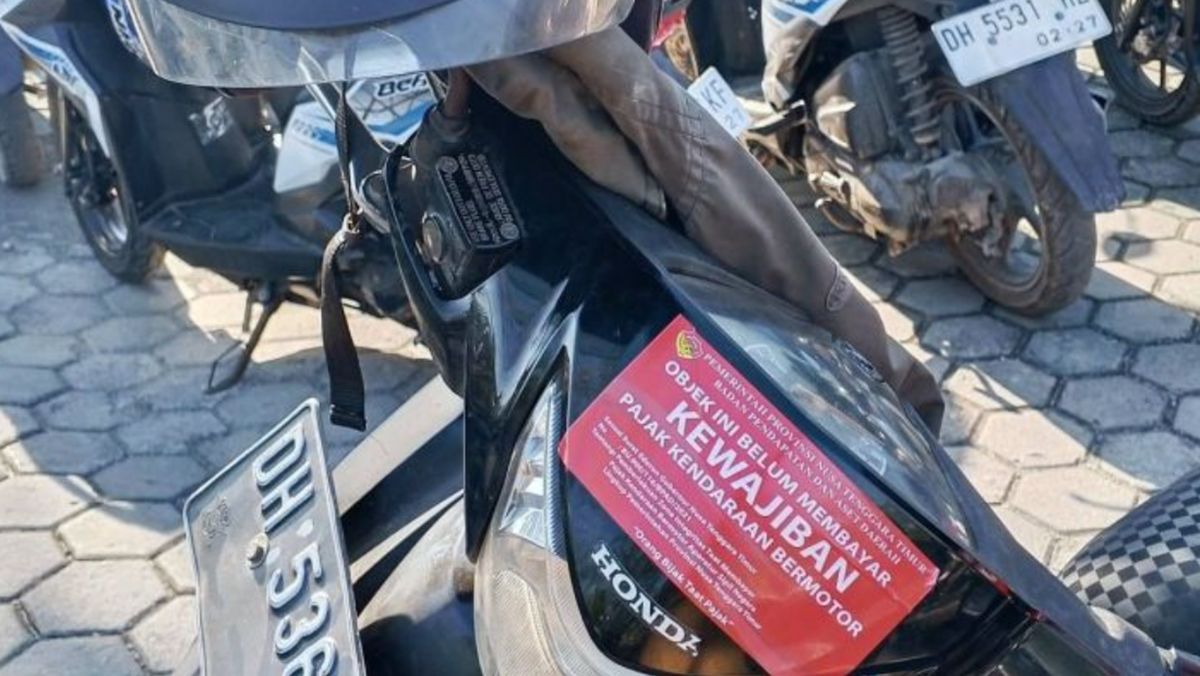
As of July 2, 2026, regional authorities in East Nusa Tenggara (NTT), Indonesia, have initiated enforcement measures against vehicle tax delinquency. By affixing warning stickers to vehicles with unpaid taxes, officials are restricting access to subsidized fuel, a policy aimed at boosting regional revenue and enforcing taxpayer compliance.
The Mechanics of Enforcement
The policy functions through a combination of administrative pressure and physical identification. Vehicles identified as having outstanding tax obligations are marked with stickers. These labels serve as a visual signal to fuel station attendants, effectively barring the owners from purchasing subsidized fuel until their tax liabilities are resolved.

This initiative is an effort to address a fiscal gap. Local government data indicates a push to reach a 75 percent compliance rate among vehicle owners.
Data-Driven Compliance Measures
The impact of this enforcement is already visible on the ground. In recent operations, 285 state-owned vehicles (ASN) were caught during inspections, highlighting that the campaign applies to government employees as well as the general public. These raids are supported by local police units, such as the Sikka Regency Police, who are conducting educational outreach regarding vehicle tax laws and traffic safety to supplement the measures.
The economic stakes are high. Regional governments rely on motor vehicle tax (PKB) as a source of locally-generated revenue (PAD).
Legal Hurdles and Jurisdictional Challenges
Despite the push for revenue, the implementation of these restrictions has faced calls for caution. Emanuel Herdiyanto has publicly urged the Sikka Regency government to conduct a formal legal review before fully enforcing the Gubernatorial Regulation (Pergub) that limits access to subsidized fuel.
Emanuel Herdiyanto suggested that the Sikka Regency government needs to conduct a legal study before implementing the Gubernatorial Regulation that restricts the purchase of subsidized fuel, as the legal framework governing fuel distribution is complex and local authorities must ensure that regional regulations do not conflict with national energy policies.
For individuals and business owners caught in the crossfire of these evolving tax regulations, the administrative burden can be substantial. When municipal policy shifts rapidly, the risk of non-compliance increases.
Why Regional Compliance Matters Now
The move by the NTT provincial government reflects a trend where regional autonomy is used to solve local fiscal deficits. By linking fuel access to tax status, the government is turning the fuel pump into a tax collection point.
However, the transition is not seamless. The policy creates an immediate need for better administrative transparency. Vehicle owners are often unaware of their exact tax status until they are confronted at a fuel station.
Maintaining clear records and understanding local tax obligations is becoming a component of personal financial management.
The Path Forward for Vehicle Owners
As the campaign continues, the expectation is that compliance rates will rise, though at the cost of increased friction at the point of sale. The success of the NTT model will likely be monitored by other provinces facing similar revenue challenges.
For the average vehicle owner, the directive is clear: check your status before you pull into the station. The integration of tax enforcement into the daily fuel-buying experience marks a shift in how local governments interact with their citizens.
The enforcement of tax compliance through fuel restriction is a reminder that in an era of digital tracking and administrative integration, fiscal responsibility is a condition for daily mobility.