Northeast Mycological Federation gathers to catalog fungi species
Nearly 200 fungi enthusiasts gathered across Pennsylvania’s Mont Alto State Park and Michaux State Forest for a foray organized by the Northeast Mycological Federation, scouring the woods for mushrooms, molds, and lichens to address a massive scientific blind spot where fewer than 10% of the world’s estimated 2 to 3 million fungi species have been discovered.
Fungi Forays and the Race to Catalog Overlooked Species
Professional mycologists remain few and far between when compared to botanists and zoologists. This leaves a heavy reliance on community science events like the Northeast Mycological Federation gathering, which brings together more than two dozen mushroom clubs from Pennsylvania through Maine. Participants span forests to collect everything from large twelve-inch specimens to microscopic specks growing on twigs and dead insects. Marina Kviker, a Rhode Island native attending the event, discovered a bright orange-brown specimen identified as Pseudomerulius curtisii on a fallen log. “It is so perfect! How could anything be so wonderful?” Kviker remarked during the search.
Back in the sorting room on the Penn State Mont Alto campus, collected samples entered an assembly-line process. Experts refined identifications using microscopes while technicians extracted tiny tissue samples with toothpicks for DNA barcoding. Stephen Russell, who runs the Ann Arbor-based nonprofit Mycota Lab, pointed out multiple large jack-o’-lantern mushrooms in the sorting room. These common poisonings occur because the fungi closely resemble edible chanterelles. Russell’s lab works with clubs to assign DNA barcodes to North American specimens, logging nearly 170,000 samples so far to distinguish visually similar morphology.

Ecological Necessity Versus Public Neglect
Noah Siegel, president of the Northeast Mycological Federation and a leading North American field mycologist, emphasized the foundational role of these organisms. “Without fungi, there would be no life on land,” Siegel stated. “For stuff to grow, it needs fungi. For stuff to decay, it needs fungi.” Specific fungi contain enzymes that break down lignin, softening fallen logs so insects can finish decomposition. Meanwhile, microscopic mycorrhiza fungi in the soil help plants and crops absorb water and nutrients while sequestering massive amounts of atmospheric carbon dioxide.
Despite these critical functions, public perception has long stalled behind negative associations with plant diseases, molds, and unflattering common names like destroying angel, death cap, and dead man’s fingers. Jerry Hassinger, a retired wildlife biologist who chairs the Mycological Technical Committee of the Pennsylvania Biological Survey, noted that academic research historically focused almost exclusively on problematic fungi. To counter this, Hassinger’s committee published a free 68-page book titled The Importance of Fungi earlier this year. Fungi also gained their own biological kingdom separate from plants in 1969, and scientists identified an entirely new class of species within the kingdom over the summer.
Legislative Protection and State Tracking Efforts
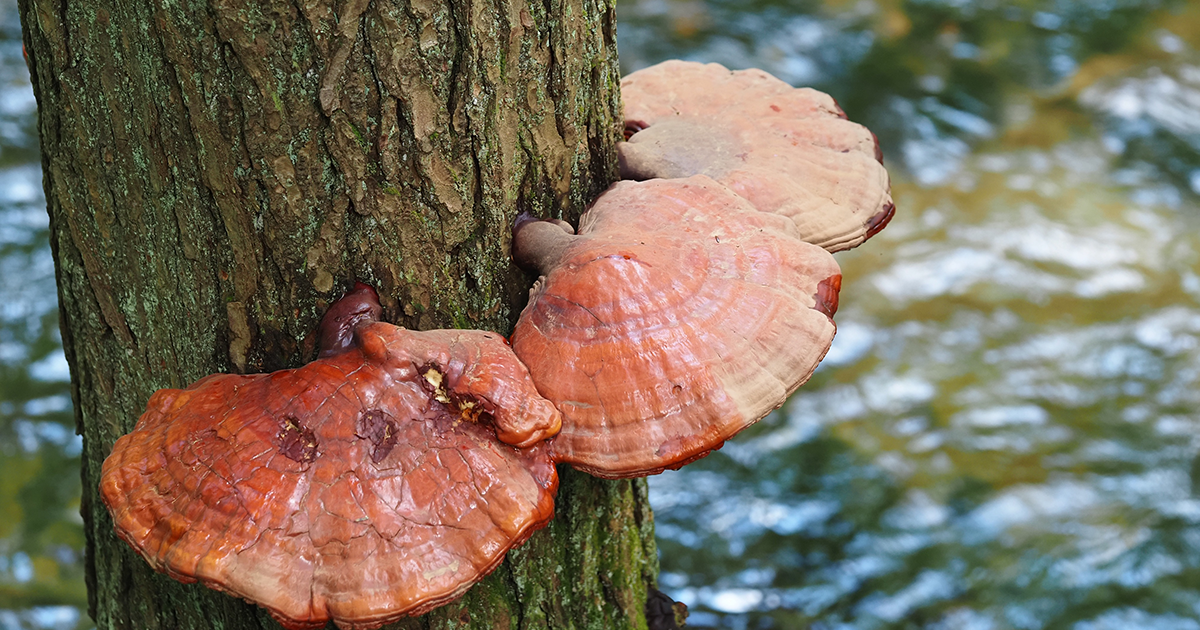
State-level recognition and conservation efforts are beginning to shift. Pennsylvania established a conservation mycologist position in its Natural Heritage Program three years ago, a role currently held by Hanna Huber. Huber updates the state fungi list and incorporates “funga” alongside flora and fauna in land management documents. The Pennsylvania General Assembly is currently considering legislation to adopt the hemlock varnish shelf—a bracket fungus growing on the eastern hemlock state tree—as the official state fungus. In Virginia, the General Assembly approved a task force this year to assess, categorize, and protect native fungi species.
Preservation extends to archival storage as well. Dried physical samples gathered during the Mont Alto foray will be housed at the Academy of Natural Sciences of Drexel University in Philadelphia. Sam Bucciarelli, foray chair and a curatorial assistant in the academy’s botany department, manages collections containing specimens gathered more than two centuries ago. “I can see backwards in time,” Bucciarelli said. Those historical records provide irreplaceable benchmarks as climate change shifts species ranges and invasive pathogens like chestnut blight and white nose syndrome alter native ecosystems.