North Slope Borough Sues Alaska to Block Oil Tax Rule It Says Puts 70% of Tax Base at Risk
“A reduction of this magnitude would have devastating consequences for North Slope communities and severely impair the borough’s ability to sustain essential services and government operations,” borough attorneys wrote in a request for a preliminary injunction filed Thursday in Anchorage Superior Court.
The North Slope Borough sued the state of Alaska on Thursday to block a proposed regulation that would expand a tax deduction for “intangible drilling expenses,” a change the borough says could put more than 70% of its property tax base at risk. The suit, assigned to Judge Yvonne Lamoureux, names the governor, lieutenant governor and other officials as defendants.
Under current law, Alaska levies a 2% tax on qualifying oil and gas property, with local governments collecting revenue from assets within their borders. The Department of Revenue published the proposed rule change Oct. 29 but did not notify local governments or legislators until Nov. 10, more than a week later.
Finance Director Fadil Limani said in an affidavit that the methodology could place “more than 70% of the Borough’s assessed property tax base at risk.” He called that an estimate of exposure, not a projection that collections would fall by the same share.
The Kenai Peninsula Borough estimated in a preliminary review that the change would cut its petroleum property tax revenue by $10.9 million. The Alaska Municipal League also submitted public comments opposing the proposal, though only the North Slope Borough has sued so far.
Rep. Robyn Niayuq Frier, D-Utqiagvik, wrote in a public comment that she “should not have to learn of a consequential proposed change through others rather than through the formal notice process established by the Legislature.”
The regulation was signed by Deputy Commissioner Lee Cruise, a political appointee, rather than the director of the department’s tax division. The state’s stated reason is to “streamline regulatory ambiguity” under an administrative order Dunleavy issued in August 2025.
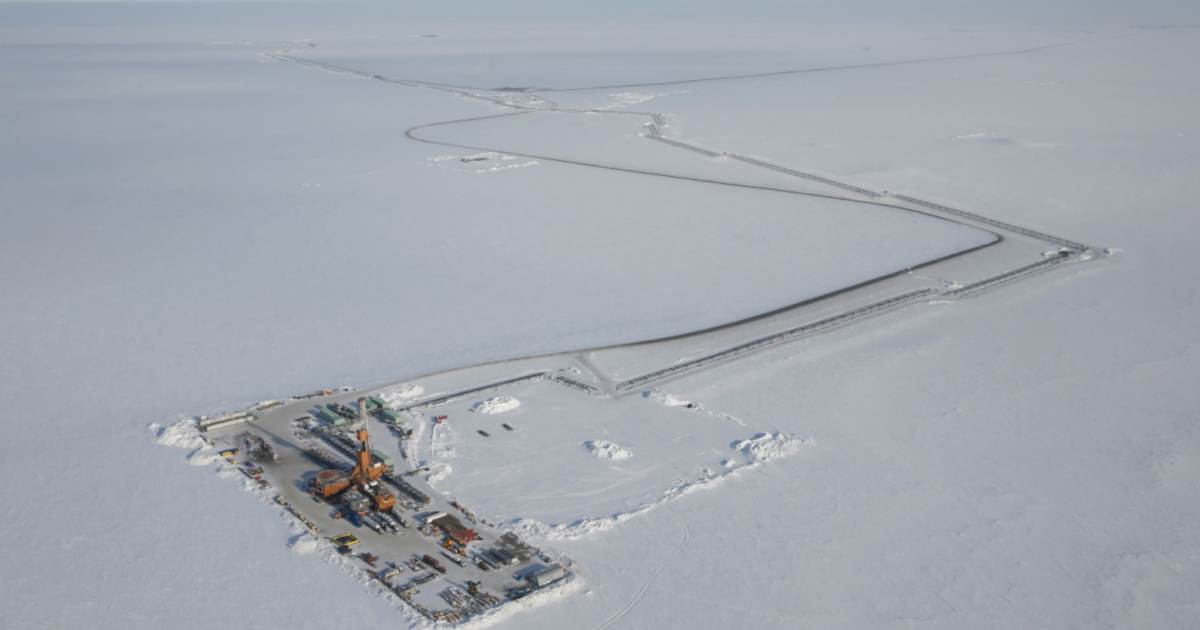
The borough’s complaint alleges a different motive: a years-long valuation dispute with Oil Search Alaska LLC over its Pikka Project. The Department of Revenue valued Pikka’s relevant property at $52.6 million for 2024, $128.5 million for 2025 and $197.8 million for 2026. Oil Search has argued the values should be $2 million, $7 million and $1.9 million respectively — figures the borough says are almost identical to what the new exemptions would produce.
“The new regulations appear to be the result of lobbying efforts by Oil Search based on the identical language in the proposed regulation and Oil Search’s internal documents,” the borough wrote in its injunction request.
The department’s one-page fiscal note shows a $0 change in state revenue for the next three budget years and includes no calculations. Where its paperwork asks who originated the proposal, the department checked “General public.” The change was not among the oil property tax rules the department listed in its August regulatory reform plan.

They wrote that it is unclear why the change is needed, how it would affect municipal budgets or what analysis the department did, and that neither borough was consulted. The department “does not have the authority to rewrite statutes,” they wrote.
Department describes rule purpose in filing
The Department of Revenue says in its notice paperwork that the change would “expand and revise” the categories of costs left out of oil property values “to reflect specified federal drilling and development cost categories, subject to Alaska statutory authority.” The filing also states the change would “streamline regulatory ambiguity” under Gov. Mike Dunleavy’s 2025 regulatory reform order.
Where the paperwork asks who originated the proposal, the department checked “General public.” Deputy Commissioner Lee Cruise prepared that form and the fiscal note. The change was not among the oil property tax rules the department listed in its August regulatory reform plan.
Senators question need for change and lack of borough consultation
They wrote that it is unclear why the change is needed, how it would affect municipal budgets or what analysis the department did, and that neither borough was consulted.
Rule scope and local impact detailed
The Kenai Peninsula Borough estimated in a preliminary review that the change would cut its petroleum property tax revenue by $10.9 million.
Finance Director Fadil Limani said in an affidavit that the methodology could place “more than 70% of the Borough’s assessed property tax base at risk.”
The borough asked Judge Lamoureux to act by Nov. 30, when public comment closes. The rule would take effect Dec. 30 under the standard regulatory timeline, immediately before taxes are assessed Jan. 1. No court date had been set by the end of Friday. Oil Search is not a party to the lawsuit.