North Dakota Enacts $25 Monthly Cap on Out-of-Pocket Insulin Costs
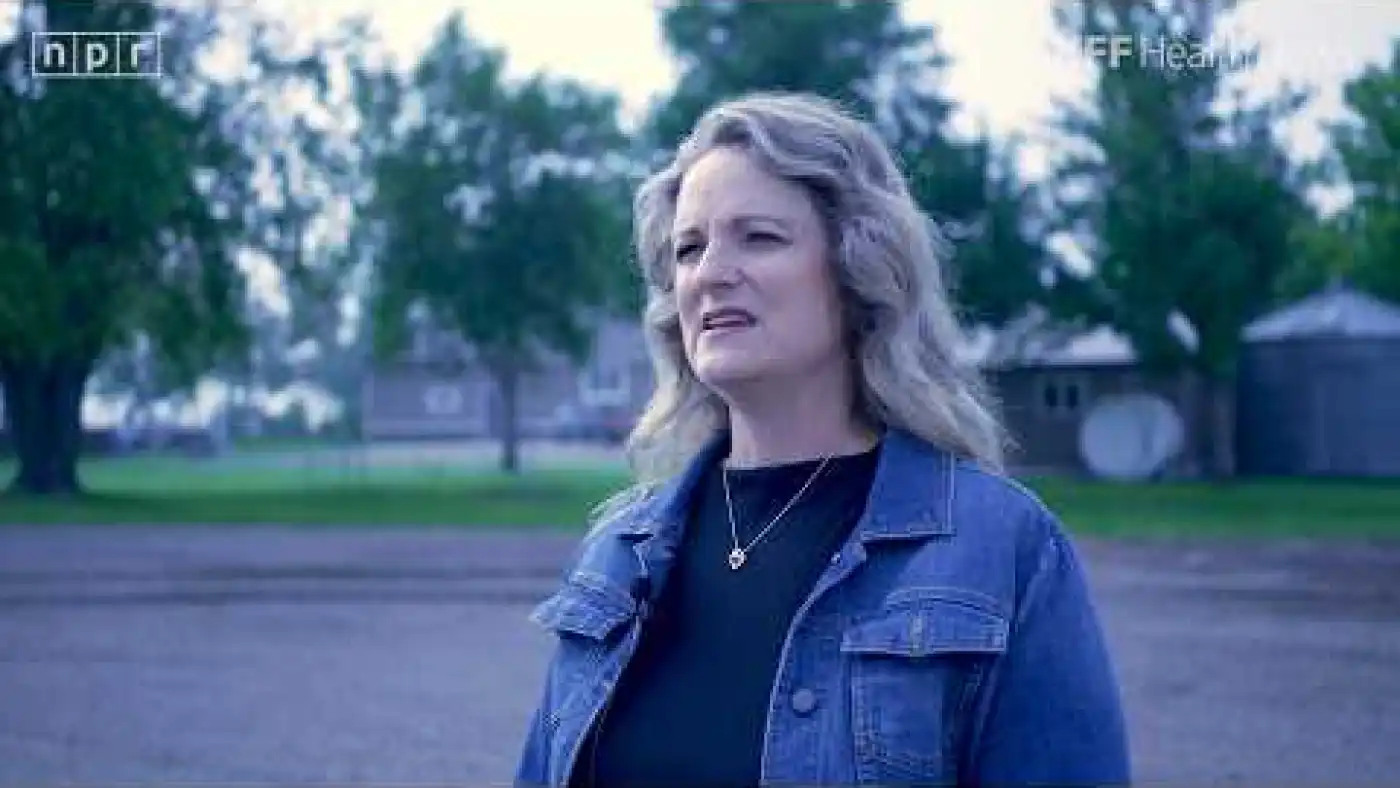
“We’re in an incredible amount of debt,” Ang Kritzberger said as she walked the farm on a recent fall morning.
Fed up with high medication bills, North Dakota joined 29 other states last year by enacting a $25 monthly cap on out-of-pocket insulin costs, NPR reported.
Key Clinical Takeaways:
- North Dakota capped monthly out-of-pocket insulin payments at $25 for state-regulated health plans.
- About a fifth of the estimated 40 million Americans with diabetes depend on insulin.
- Average yearly out-of-pocket costs for privately insured patients dropped to $220 by 2025 after peaking at $470 in 2018.
The Kritzberger family struggle
The Kritzberger family has farmed in the Red River Valley for more than a century, currently growing sugar beets, soybeans and grains near Hillsboro, N.D., NPR reported.
For the past 10 years, the family has worried over their daughter Nina, who has Type 1 diabetes and was diagnosed at age 7, according to NPR.
“I slept by her bedside for the first 60 days,” Ang Kritzberger told NPR. “And I had to stick her finger every two hours, 24 hours a day, to make sure that she was OK.”
The family pays at least $8,000 annually out-of-pocket for medical care, drugs, supplies, and appointments despite having insurance.
Price hikes and legislation drive insulin cost reductions
Steep price hikes previously forced diabetes patients to pay hundreds or thousands of dollars, leading some to ration insulin with sometimes deadly results, NPR reported.
Federal data shows that average yearly out-of-pocket costs for privately insured individuals hit $470 in 2018, before declining to $220 in 2025 as drug companies faced public backlash, according to NPR.
Colorado first enacted an insulin copay cap in 2019 limiting 30-day supplies to $100 for state-regulated plans, and President Joe Biden signed legislation in 2022 capping insulin at $35 a month for Medicare enrollees, NPR reported.
North Dakota state Sen. Sean Cleary co-sponsored legislation last year to cap patients’ insulin bills at $25 a month, telling NPR that the market was not functioning for folks.
“Typically, Republicans are more on the free-market side of things, Democrats are more supportive of intervening,” Cleary told NPR. “But in this case, I think there was broad-enough agreement that this market just wasn’t functioning for folks.”
Bipartisan debate in Bismarck
North Dakota state Sen. Tim Mathern led the effort for health plans regulated by the state, while health insurers and the state chamber of commerce argued that price relief would raise insurance premiums for everyone else, NPR reported.
“We do not make health insurance more affordable by passing coverage mandates,” Blue Cross Blue Shield of North Dakota lobbyist Megan Hruby told lawmakers.
Janelle Moos, a state lobbyist for AARP, told NPR that many GOP lawmakers initially resisted the bill due to skepticism about government regulation.
Supporters demonstrated that a similar measure limiting out-of-pocket costs for state employees with diabetes had minimal impact on insurance premiums, NPR reported.
“Why are folks paying hundreds of dollars a month for a drug that’s been commercially available for decades?” Cleary asked NPR.
State Rep. Carrie McLeod, a Republican and diabetes educator, told NPR that the healthcare system had become too focused on the bottom line.
Daily management and future prospects
Nina Kritzberger, now 17, told NPR she manages multiple devices daily to stay safe.
“I have to make sure I have insulin, a spare pump, a spare Dexcom,” she told NPR. “Oh, what if my pump doesn’t work, or my Dexcom? Then I have to bring a testing kit. What if I go low? I need Gatorade, glucose.”
A missed dose carries severe clinical risks, she explained to NPR.
“My body would start attacking itself and start shutting down,” she told NPR. “And then I would die.”
While state caps cannot reach larger employer plans regulated federally, a KFF survey earlier this year indicated that about 7 in 10 U.S. adults feel there is insufficient government regulation to limit prescription drug prices, NPR reported.
Congress is currently considering a national cap on insulin prices, with North Dakota Republican Sen. Kevin Cramer listed among the bipartisan co-sponsors, according to NPR.
“We’re very connected in North Dakota,” Ang Kritzberger told NPR.
Disclaimer: The information provided in this article is for educational and scientific communication purposes only and does not constitute medical advice. Always consult with a qualified healthcare provider regarding any medical condition, diagnosis, or treatment plan.