Non-albicans Candida Predominates in Vulvovaginal Candidiasis with High Azole Resistance and Universal Polyene Susceptibility
Non-albicans Candida species accounted for 52.76 percent of isolates recovered from women with clinically suspected vaginitis in a study published in Cureus.
Key Clinical Takeaways:
- Researchers processed 428 high vaginal swab specimens between May 2024 and August 2025 at Krishna Hospital and Medical Research Centre in Karad, India.
- Non-albicans Candida species outnumbered Candida albicans among the 127 total isolates recovered during the 16-month study period.
- All tested isolates retained complete susceptibility to amphotericin B and nystatin, while azole antifungals showed widely varying resistance rates.
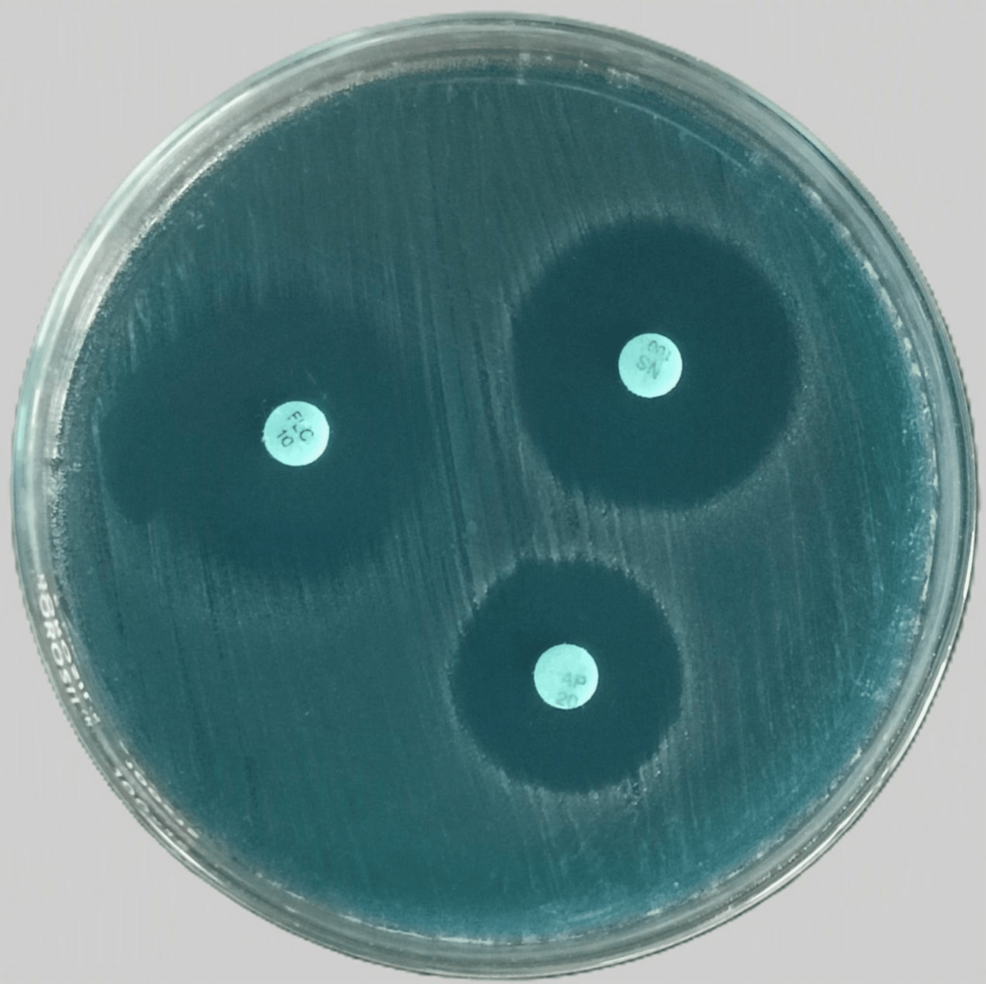
The laboratory-based cross-sectional study evaluated 127 non-duplicate Candida isolates using the Clinical and Laboratory Standards Institute M44 disk diffusion method. Ethical approval for the research was obtained from the Institutional Ethics Committee of Krishna Vishwa Vidyapeeth.
Candida albicans accounted for 47.24 percent, or 60 of the 127 isolates, while non-albicans Candida species made up the remaining 52.76 percent, or 67 isolates. Among the non-albicans group, researchers identified 32 isolates of Candida krusei, 21 isolates of Candida tropicalis, and 14 isolates of Candida glabrata.
| Candida Species or Antifungal Agent | Isolate Count or Susceptibility Rate |
|---|---|
| Candida albicans | 60 isolates (47.24%) |
| Non-albicans Candida | 67 isolates (52.76%) |
| Amphotericin B and Nystatin | 100% susceptibility |
| Fluconazole (excl. C. krusei) | 60.00% susceptibility |
| Ketoconazole | 54.33% susceptibility |
| Itraconazole | 37.80% susceptibility |
| Miconazole | 29.92% susceptibility |
All 127 isolates demonstrated complete susceptibility to the polyene antifungals amphotericin B and nystatin, with no resistant strains detected. Azole antifungals exhibited reduced effectiveness across the sample. Fluconazole showed 60 percent susceptibility among non-Candida krusei isolates, while ketoconazole showed 54.33 percent susceptibility and itraconazole showed 37.80 percent susceptibility.
Miconazole recorded the lowest susceptibility rate at 29.92 percent, with 89 of the 127 isolates showing resistance. Candida krusei isolates were excluded from fluconazole analysis due to their intrinsic resistance profile.
The predominance of non-albicans Candida species and variable azole susceptibility highlight the changing epidemiology of vulvovaginal candidiasis. Routine species identification and antifungal susceptibility testing are essential for optimizing antifungal therapy, reducing empirical treatment failure, improving patient outcomes, and supporting local antifungal resistance surveillance.
Krishna Hospital and Medical Research Centre in Karad began in 1982 as a 200‑bed facility in a remote part of southern Maharashtra. Over the next three and a half decades it expanded to a 1,580‑bed multi‑specialty hospital with 32 wards and eight ICUs, and earned NABH accreditation in 2016 and reaccreditation in 2019.
Disclaimer: The information provided in this article is for educational and scientific communication purposes only and does not constitute medical advice. Always consult with a qualified healthcare provider regarding any medical condition, diagnosis, or treatment plan.