
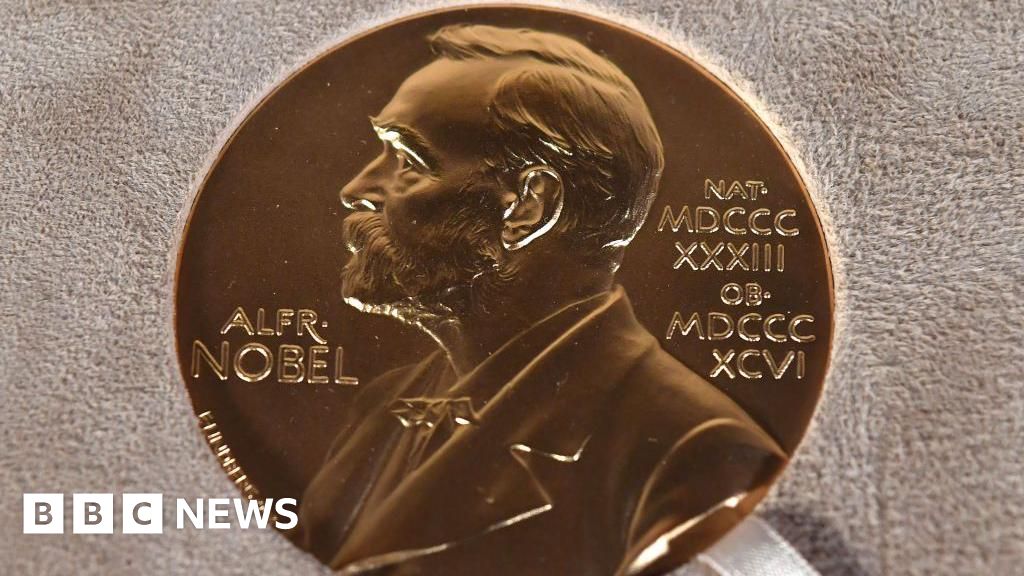
Nobel Prize Awarded for Discoveries in Immune System Regulation
Scientists have been awarded the Nobel Prize for their groundbreaking research into how the immune system functions and prevents autoimmune diseases. The work is already informing the growth of new treatments for both autoimmune conditions and cancer. The winners will share a prize fund of 11 million Swedish kronor, equivalent to £870,000.
The Nobel Committee,chaired by olle Kämpe,highlighted the meaning of the discoveries,stating,”Their discoveries have been decisive for our understanding of how the immune system functions and why we do not all develop serious autoimmune diseases.”
The research centers on understanding the delicate balance of the immune system – its ability to defend against infections while simultaneously protecting the body’s own tissues. The immune system utilizes white blood cells equipped with a vast array of randomly generated receptors, capable of recognizing a wide range of invaders. Though, this randomness inevitably leads to the creation of cells that could attack the body itself.
While scientists previously understood that some of these self-attacking white blood cells were eliminated in the thymus, the Nobel Prize recognizes the discovery of regulatory T-cells. These cells act as the immune system’s “security guards,” traveling throughout the body to deactivate any immune cells that are mistakenly targeting healthy tissues.
Failures in this regulatory process are known to contribute to autoimmune diseases such as type-1 diabetes, multiple sclerosis, and rheumatoid arthritis. The Nobel panel emphasized that the discoveries “have laid the foundation for a new field of research and spurred the development of new treatments, for example for cancer and autoimmune diseases.”
Current research explores manipulating regulatory T-cells for therapeutic benefit. In cancer treatment, the focus is on reducing their numbers, as they can suppress the immune system’s ability to fight tumors. Conversely, in autoimmune diseases, clinical trials are investigating ways to boost regulatory T-cell activity to quell the immune system’s attack on the body. This approach also holds promise for preventing organ transplant rejection.
The prize recognizes the work of Shimon Sakaguchi of Osaka university,Japan,who demonstrated that injecting immune cells could prevent autoimmune disease in mice with removed thymuses,suggesting a natural regulatory system. Mary Brunkow, from the Institute for Systems Biology in Seattle, and Fred Ramsdell, now at Sonoma Biotherapeutics in San Francisco, identified a gene crucial for regulatory T-cell function while studying an inherited autoimmune disease in both mice and humans.
Professor Annette Dolphin, president of the UK’s Physiological Society, praised the research as “a striking example of how essential physiological research can have far-reaching implications for human health,” noting that it revealed “how the immune system is kept in check by regulatory T cells, preventing it from mistakenly attacking the body’s own tissues.”
