
No New York: Inside the No Wave Scene & 70s New York Memoir
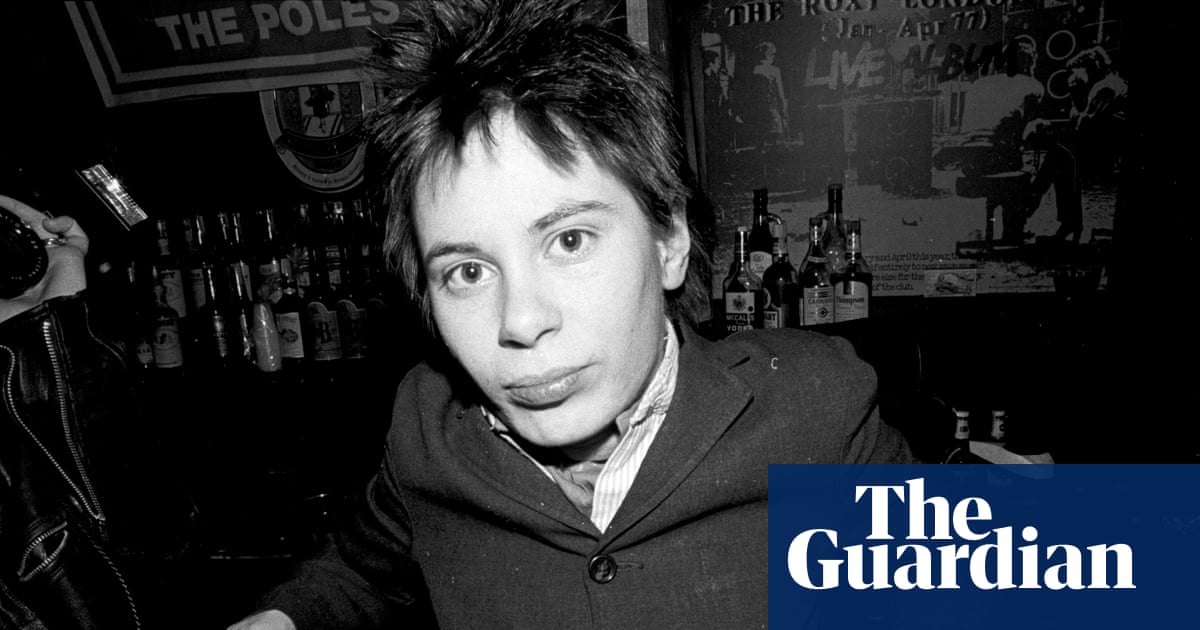
Adele Bertei’s memoir, No New York, isn’t a chronicle of chart-topping success, but a visceral excavation of 1970s and 80s New York’s no wave scene, offering a raw account of artistic struggle, personal trauma, and the ephemeral nature of cultural movements. The book, released this week, arrives as a potent reminder of a period defined by creative rebellion and pre-AIDS anxieties, and is already sparking renewed interest in the artists who defined the era.
The Allure of the Unremembered: Why Bertei’s Story Resonates Now
Bertei’s narrative stands apart precisely because she isn’t a household name. Unlike many memoirs from the period, weighed down by established reputations and carefully curated legacies, No New York offers a refreshingly unfiltered perspective. As the review in The Guardian notes, this lack of “cultural baggage” allows for a uniquely honest and compelling portrayal of a scene often romanticized in retrospect. The book’s power lies in its unflinching depiction of a city on the brink, a breeding ground for artistic innovation born from desperation and disillusionment. What we have is a story about the kids who were “beating back” against a life that had already “beaten the hell” out of them.
Navigating the No Wave: A Scene Defined by Discord
Bertei’s journey began in 1977, arriving in a Manhattan grappling with economic crisis and social decay. This wasn’t the glamorous New York of Warhol’s Factory, but a city scarred by fires and burdened by debt. Yet, within this chaos, a vibrant underground music scene was taking shape. Bertei quickly became immersed in the “no wave” movement, a deliberately abrasive and experimental genre that rejected the conventions of mainstream rock. Her involvement with bands like the Contortions, fronted by the provocateur James Chance – known for physically engaging with audiences – placed her at the epicenter of this artistic upheaval. The scene’s challenging nature, as Bertei describes, was a direct reflection of the darker realities of the time.
The Business of Rebellion: A&R and the Limits of Acceptance
The memoir doesn’t shy away from the business side of the music industry, even within the supposedly anti-establishment no wave scene. The anecdote about Clive Davis, the legendary A&R executive who signed Janis Joplin and Aretha Franklin, abruptly leaving a Contortions performance after a single song highlights the inherent tension between artistic vision and commercial viability. Davis’s reaction underscores the difficulty of translating such deliberately discordant music into a profitable venture. This is where the need for specialized intellectual property lawyers becomes critical, navigating the complex landscape of copyright and licensing for artists operating outside the mainstream. The inherent risk in backing such unconventional acts often requires a nuanced understanding of brand equity and potential long-term cultural impact.
Gender, Sexuality, and the Barriers to Entry
No New York also offers a stark portrayal of the sexism and homophobia prevalent in the music industry during that era. Bertei recounts the challenges faced by female musicians who were expected to conform to traditional gender roles, and the “verboten” nature of openly expressing queerness. She deliberately cultivated a “tough boy gamine” persona as a defense mechanism, constantly battling societal expectations. This struggle for recognition and acceptance continues to resonate today, as artists navigate the complexities of identity and representation. The need for inclusive talent agencies that champion diverse voices and advocate for equitable representation remains paramount.
“The no wave scene was a negation of every way that had come before,” Bertei writes, describing the movement’s radical rejection of musical norms. “It was Dada brutalism.”
The Leisurely Fade: Heroin, AIDS, and Gentrification
The memoir doesn’t offer a triumphant narrative of success. Instead, it chronicles the gradual disintegration of the no wave scene, brought about by a confluence of devastating factors: the spread of heroin, the emergence of AIDS, and the relentless forces of gentrification. As artists were priced out of the city, the energy and vitality of the movement began to dissipate. Bertei’s own trajectory reflects this decline, marked by a series of near misses and unfulfilled opportunities – a screen test for the cult classic Times Square, a brief competition with Madonna, and a stint as Brian Eno’s assistant. The book’s fading momentum mirrors the fading of the scene itself, a poignant reminder of the ephemeral nature of cultural moments.
The Legacy of No Wave and the Current Cultural Landscape
Despite its ultimately melancholic tone, No New York is an essential read for anyone interested in the history of alternative music and the cultural landscape of 1970s and 80s New York. It’s a testament to the power of artistic rebellion, the resilience of the human spirit, and the enduring legacy of a scene that continues to inspire artists today. The book’s release comes at a time when the music industry is grappling with new challenges – the rise of streaming, the impact of social media, and the ongoing debate over artist compensation. According to recent data from Billboard, vinyl sales continue to surge, indicating a renewed appreciation for physical media and a desire for a more tangible connection to music. This resurgence suggests a parallel with the no wave ethos – a rejection of mainstream commercialism in favor of authenticity and artistic integrity.
The story of Adele Bertei and the no wave scene serves as a cautionary tale about the fragility of artistic communities and the importance of preserving cultural heritage. As cities continue to evolve and gentrify, it’s crucial to support the artists and venues that contribute to their unique character. The need for effective crisis communication firms to protect the reputations of artists and cultural institutions is more vital than ever, especially in an era of heightened social media scrutiny.
Disclaimer: The views and cultural analyses presented in this article are for informational and entertainment purposes only. Information regarding legal disputes or financial data is based on available public records.