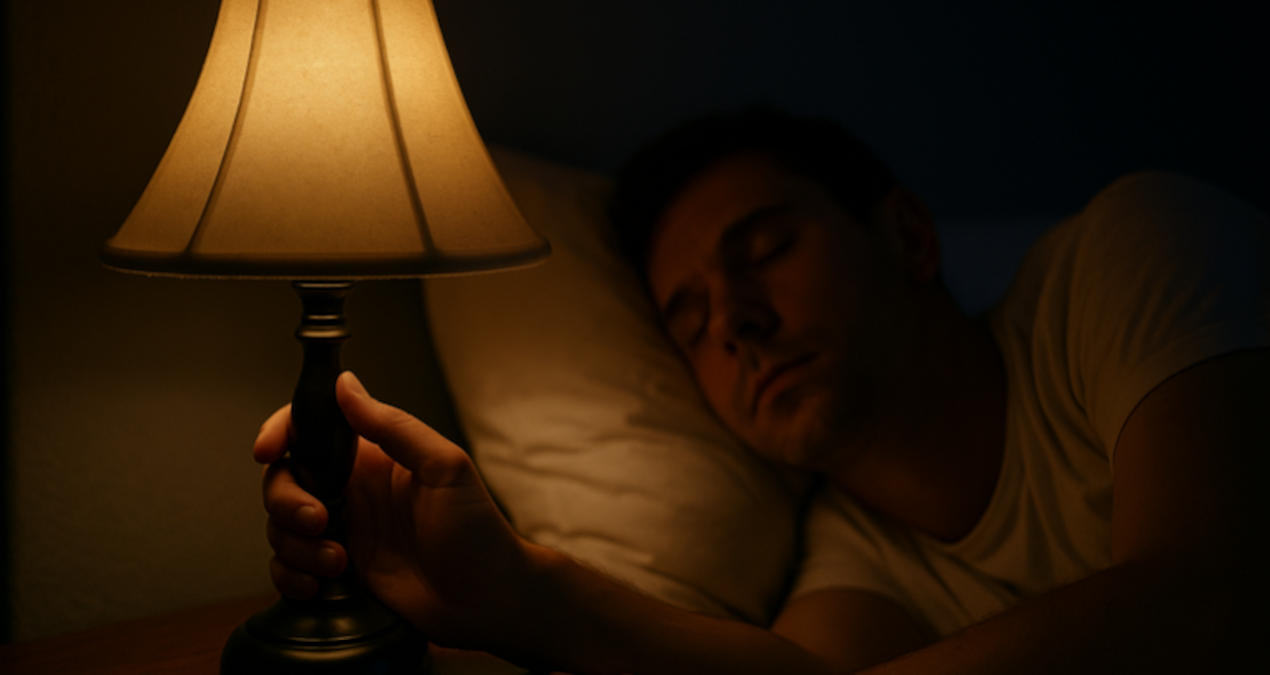
Nighttime Light Exposure Linked to Higher Heart Failure, Stroke Risks
Exposure to even low levels of light during sleep is linked to an increased risk of heart failure, stroke, and heart attack, according to research published in the European Heart Journal.
The study, which tracked approximately 73,000 individuals over a decade, found that individuals exposed to higher levels of light during the night faced significant cardiovascular health risks, Sözcü reported. Specifically, the data showed a 29% higher risk of heart failure, a 24% higher risk of heart attack, a 33% higher risk of stroke, and a 15% higher risk of atrial fibrillation. Mortality risk associated with cardiovascular disease was also 26% higher in those groups.
Researchers at Johannes Gutenberg University Mainz utilized wrist sensors to monitor light exposure levels in participants for one week. A follow-up examination of 11,000 hearts using MRI technology three years later revealed structural changes in the heart muscle, including increased wall thickness and reduced contraction efficiency.
“Human eyes contain special light-sensitive cells that transmit the day and night cycle to the brain’s biological clock,” Thomas Münzel of Johannes Gutenberg University Mainz said.
He said that these cells continue to function during sleep and that bluish light emitted by LED lamps can penetrate closed eyelids.
While the researchers emphasized that the study is observational and does not definitively prove that nighttime light exposure directly causes these conditions, they highlighted the potential disruption to the body’s biological clock. Experts suggest keeping bedrooms as dark as possible to mitigate these effects.
Recommended precautions include removing mobile phones from the bedroom, turning off illuminated indicators on electronic devices, and using thick curtains. Those who require a night light are advised to use models with timers to ensure the light turns off automatically. Consistent exposure to natural daylight in the mornings is also encouraged to help regulate the body’s internal clock.
Worth a look
- Ketogenic Diet May Reduce Liver Fat and Improve Blood Sugar More Effectively Than Other Diets, Study Finds
- First UK Patients Receive Engineered T-Cell Therapy Targeting PRAME in Advanced Melanoma Trial
- Depend 30s Buyers Up 7 Percent as Light Incontinence Care Grows (newsdirectory3.com)
- Oursler’s ‘Star*life’ Adaptation Becomes Cygnus Spacecraft Light Cover (time.news)