Nigeria-Morocco Gas Pipeline: Impact, Progress and Strategic Importance
The Nigeria-Morocco Gas Pipeline, a long-distance infrastructure project estimated at 23 billion euros, has entered a new phase of regional consolidation following the collective commitment of the Economic Community of West African States (ECOWAS). This strategic initiative aims to connect Nigerian gas reserves to European markets via Morocco, traversing West and North African nations.
Strategic Integration and the ECOWAS Commitment
The formal endorsement by ECOWAS member states transforms the project from a bilateral agreement into a regional economic imperative.
According to project development updates, the initiative is positioned as a direct competitor to existing energy corridors, specifically those managed by Algerian state entities.
Infrastructure Challenges and the “First Gas” Timeline
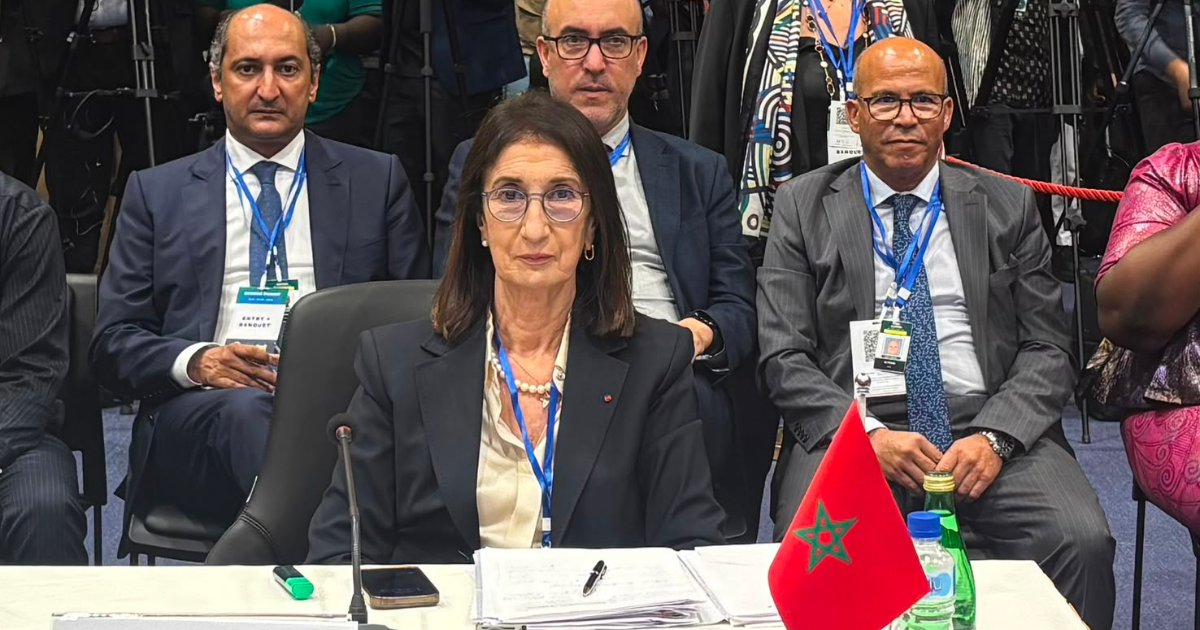
Benkhadra, a project official, has emphasized that the project is currently in the advanced engineering and design phase.
The sheer magnitude of the project requires specialized oversight.
Macro-Economic Implications for Atlantic Africa
The pipeline project serves as an economic anchor for the Atlantic African corridor.
Securing contracts for such a project involves rigorous compliance with international standards.
Comparative Analysis: The Regional Energy Landscape
The Nigeria-Morocco route opts for an offshore approach, effectively bypassing the volatile interior regions of the Sahel. This design choice is a calculated risk-mitigation strategy intended to protect the physical integrity of the pipeline from regional conflict.
| Factor | Nigeria-Morocco Pipeline | Alternative Regional Corridors |
|---|---|---|
| Primary Route | Atlantic Offshore | Trans-Saharan Land-based |
| Estimated Budget | 23 Billion Euros | Variable/Stalled |
| Primary Risk | Financing/Geopolitics | Regional Insecurity |
The Path Forward for Investors and Stakeholders
Firms involved in the project must maintain strict adherence to regional environmental laws and local content requirements.
Ultimately, the Nigeria-Morocco Gas Pipeline is more than a conduit for fuel; it is a test of African institutional capacity to manage massive, multi-nation infrastructure projects.