
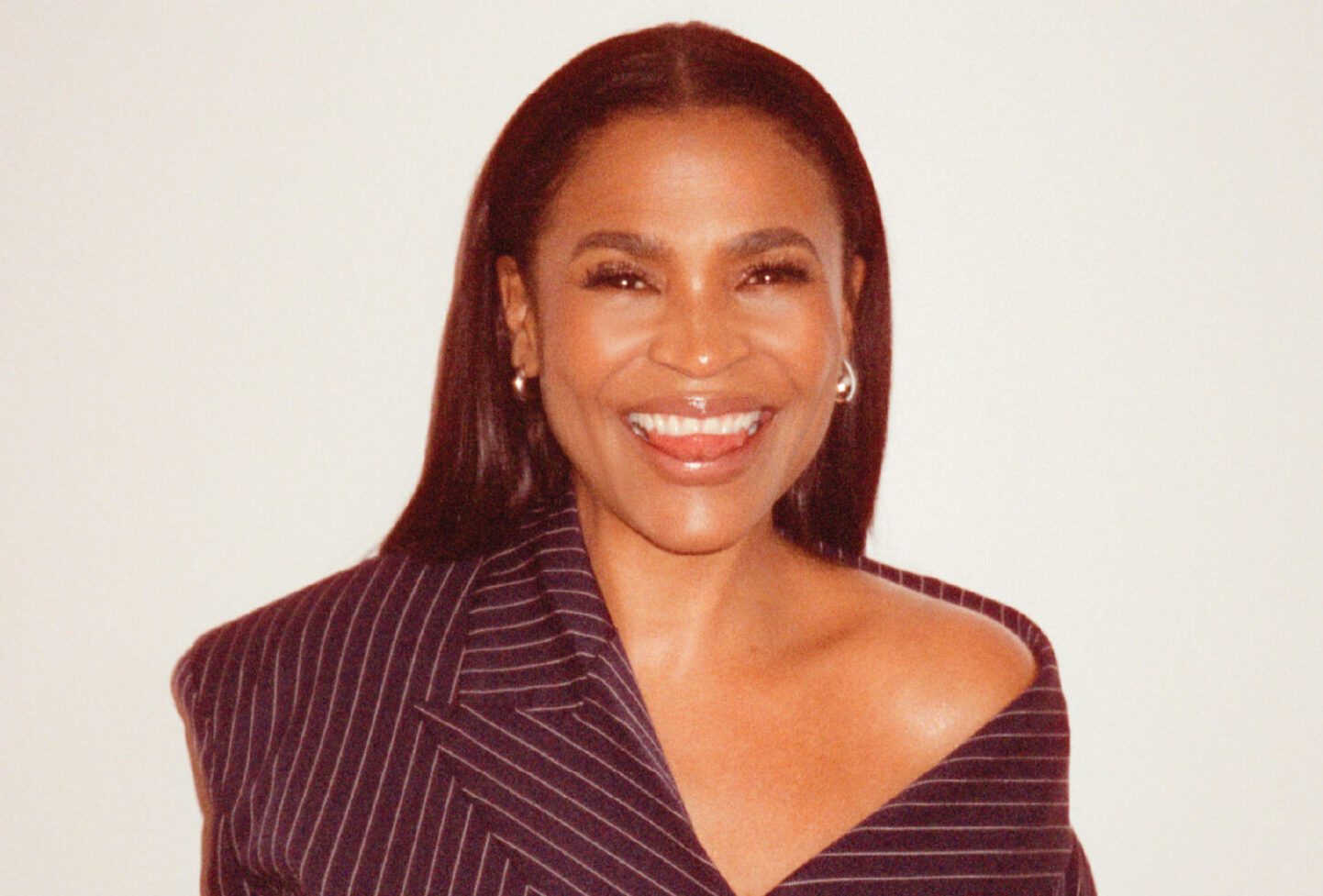
Nia Long Reflects on Legacy and Creative Freedom in Playboy Interview
Actress Nia Long is redefining her legacy in the September 2026 issue of Playboy, using the platform to assert her creative autonomy and personal freedom. Based in Los Angeles, the veteran star leverages this appearance to signal a transition toward more controlling, self-directed roles in the global entertainment industry.
This isn’t just a photoshoot. It is a calculated move in the “ownership” era of celebrity. When a performer of Long’s stature—someone who has anchored Black cinema for three decades—decides to reclaim her image on her own terms, it signals a shift in how veteran actors negotiate their brand equity. The problem for many artists at this stage of their career is the “typecasting trap,” where the industry attempts to archive them as legacy acts rather than active creators.
Long is fighting that archive.
Her career has been a masterclass in navigating the complexities of the Hollywood studio system. From the gritty realism of Boyz n the Hood to the romantic intellectualism of Love Jones, she has consistently represented a specific, sophisticated facet of Black womanhood. However, the transition from “muse” to “manager” of one’s own image often requires a public pivot. By choosing Playboy—a brand currently attempting to pivot from a men’s magazine to a lifestyle and empowerment entity—Long is aligning her personal evolution with a corporate rebranding.
The Architecture of Autonomy in Los Angeles
The geography of this move is centered in Los Angeles, the epicenter of the global entertainment economy. But the implications stretch far beyond the hills of Hollywood. The pursuit of “creative freedom” that Long discusses with cultural critic Jamilah Lemieux is often a coded reference to the grueling legal battles over contract renewals, profit participation, and image rights. In an era of AI-generated likenesses and “digital twins,” the act of physically posing for a high-profile editorial becomes a statement of biological and legal ownership over one’s own body.
This struggle for autonomy is not unique to A-list stars. It reflects a broader trend among independent contractors in the creative arts who are fighting for better residuals and ownership of their intellectual property. For many, this means moving away from traditional agency models and toward specialized intellectual property attorneys who can navigate the intersection of entertainment law and digital rights management.
“The shift we are seeing with veteran performers like Nia Long is a move toward ‘Brand Sovereignty.’ It is no longer enough to be the face of a project; the modern artist must own the narrative and the distribution of their image to avoid being erased by the next algorithmic trend.”
The quote above comes from Marcus Thorne, a senior consultant in talent management and digital rights based in California, who notes that the “power dynamic” in Hollywood is currently being rewritten by those who refuse to follow the traditional aging trajectory of the industry.
From Love Jones to the Jackson Legacy
Long’s enduring influence is perhaps most evident in the lasting cultural footprint of Love Jones. The film did more than just tell a story; it codified a specific aesthetic of Black romance that persists in modern storytelling. The upcoming reunion with Larenz Tate is not merely a nostalgic exercise—it is a strategic revival of a brand that continues to generate organic interest across generations.

However, the stakes are rising. Long’s upcoming role as Katherine Jackson in the project Michael places her at the center of one of the most scrutinized legacies in music history. Portraying a member of the Jackson family requires more than acting skill; it requires a navigation of the complex legal and emotional estate of the late Michael Jackson, an estate managed by some of the most aggressive legal teams in the world.
The intersection of celebrity and legacy often leads to intense public scrutiny and, in some cases, harassment. It is a sobering reminder that visibility comes with a cost. Long’s recent efforts to seek court protection from a female stalker highlight the dark side of fame. When the boundary between public persona and private life collapses, the only solution is legal intervention.
For high-profile individuals facing similar security breaches, the immediate priority is often securing private security consultants and legal experts specializing in harassment and stalking injunctions to ensure personal safety in an increasingly volatile digital landscape.
The Macro-Economic Impact of the ‘Veteran Pivot’
When we look at the data of the “Veteran Pivot,” we observe a pattern of diversification. Long is not just acting; she is curate-ing. By referencing her influence on artists like Jay-Z and J. Cole, she is acknowledging her position as a cultural touchstone. This allows her to move into the “Evergreen” category of celebrity—where her value is based on her historical significance as much as her current output.
This transition has a ripple effect on the local Los Angeles economy, specifically within the boutique production and fashion sectors. High-profile shoots for publications like Playboy employ a massive ecosystem of local freelancers, from lighting technicians to stylists and makeup artists. The “celebrity economy” continues to be a primary driver of the regional GDP in Southern California, proving that the image of a single actress can sustain dozens of small businesses.
Consider the following trajectory of Long’s career influence:
- The Foundational Era: Establishing the “Cultural Anchor” through roles in Boyz n the Hood and Friday.
- The Aesthetic Era: Defining Black romance via Love Jones, influencing fashion and spoken word.
- The Sovereignty Era: Reclaiming the narrative through Playboy and taking on high-stakes biographical roles.
This progression is a blueprint for longevity. Most actors fight the clock; Long is using the clock to build a more durable brand.
The pursuit of freedom is rarely a straight line. For Nia Long, it is a series of calculated risks—from the vulnerability of a Playboy spread to the intensity of playing a Jackson. It is a reminder that in the entertainment industry, the only way to maintain control is to be the one who decides when and how to be seen.
As the lines between celebrity, business, and personal safety continue to blur, the need for verified, professional guidance becomes paramount. Whether it is navigating the complexities of a new contract or securing a home against the intrusions of fame, the right support system is the only thing that makes “freedom” sustainable. Those seeking to protect their own legacy or navigate the treacherous waters of the creative industry can discover a curated network of vetted professionals through the World Today News Directory.