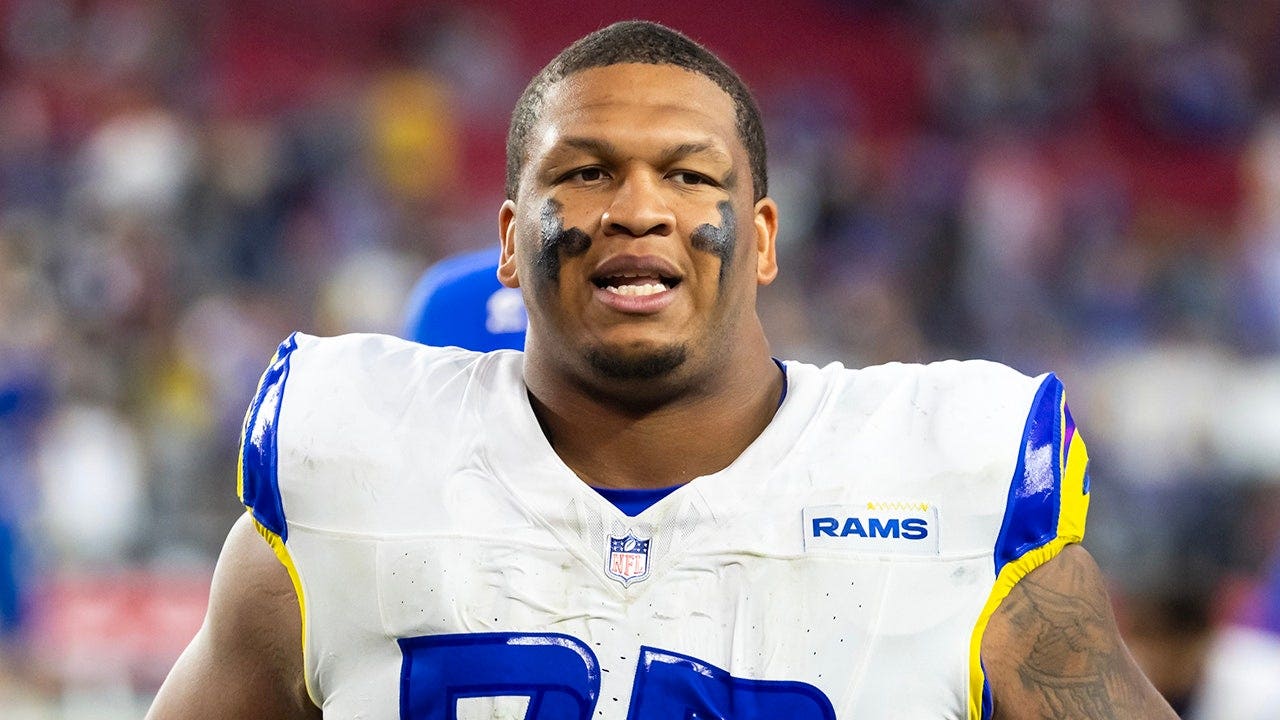
NFL’s Offseason Abuse Problem Escalates: Rams Lineman Alaric Jackson Arrested for Domestic Violence
Los Angeles Rams offensive lineman Alaric Jackson was arrested on June 9, 2026, on suspicion of felony domestic violence, marking the latest incident in an ongoing NFL crisis. The league continues to grapple with a string of off-field conduct violations that challenge its internal disciplinary protocols and impact roster stability.
The Financial and Roster Implications of Conduct Violations
The arrest of Jackson creates an immediate personnel vacuum for the Los Angeles Rams, forcing the front office to recalibrate their offensive line rotation during the critical phases of the offseason. Under the terms of the NFL Collective Bargaining Agreement, the team now faces a complex decision-making process regarding Jackson’s roster status and potential suspension. When a player is placed on the Commissioner’s Exempt List, they are paid, but they are prohibited from practicing or attending games, effectively creating a dead-cap hit that limits the team’s ability to sign replacement depth.
For franchises operating near the salary cap, these incidents necessitate immediate legal and administrative intervention. Managing the fallout of such high-profile arrests requires specialized counsel to navigate the intersection of criminal law and league-mandated Personal Conduct Policy requirements. For individuals or organizations needing to manage sensitive legal or crisis communication matters, connecting with vetted sports and employment law firms is a standard operational procedure to mitigate long-term liability.
| Operational Impact | Strategic Consequence |
|---|---|
| Commissioner’s Exempt List | Immediate loss of active roster spot; salary remains guaranteed. |
| Dead-Cap Acceleration | Reduced liquidity for mid-season free agent acquisitions. |
| Tactical Scrambling | Forced rotation changes during organized team activities (OTAs). |
Tactical Disruptions and the Physical Cost of Turnover
Offensive line performance is predicated on continuity and chemistry—two factors systematically dismantled by sudden roster turnover. According to advanced tactical metrics, the loss of a starting-caliber tackle disrupts the entire protection scheme, forcing quarterbacks to adjust their internal clocks and reducing the efficiency of the run-blocking game. Coaches often emphasize that the “five-man wall” requires months of repetition to master stunts, blitz pickups, and zone-blocking assignments.
“When you lose a starter in June, you aren’t just losing a player; you’re losing the muscle memory of the entire unit. You have to reset the periodization schedule for the remaining linemen, which increases the risk of soft-tissue injuries as the backups are pushed to ramp up their intensity prematurely,” says a veteran NFL offensive line coach familiar with contingency planning.
This reality extends beyond the professional ranks. When youth or collegiate athletes suffer from sudden coaching changes or lack of professional-grade physical support, the risk of injury rises. Local programs often turn to local orthopedic specialists and rehab centers to ensure that any shifts in training load are managed with scientific precision, protecting the long-term athletic health of the players.
Regional Economic Impacts and the Stadium Ecosystem
The Rams’ stability is not merely a concern for the coaching staff; it is a significant factor in the regional economy of Los Angeles. Stadium operations, premium hospitality revenues, and regional broadcast partnerships rely on a competitive, high-profile product. When the team’s reputation is challenged by off-field conduct issues, the local franchise ecosystem—including vendors, security firms, and hospitality providers—faces a potential cooling effect in fan engagement and corporate sponsorships.
Large-scale sporting venues require constant logistical support, and the uncertainty surrounding player availability can complicate the procurement of regional event security and premium hospitality vendors. These businesses must remain agile, as the “halo effect” of a winning team drives foot traffic and high-margin spending in the surrounding district. Managing this volatility requires a robust network of professional services capable of adjusting to the shifting demands of the stadium calendar.
Evaluating the NFL’s Disciplinary Precedent
The league’s approach to domestic violence cases has evolved since the 2014 introduction of the enhanced Personal Conduct Policy. However, the recurring nature of these arrests suggests that league-wide educational and preventative measures are struggling to gain traction. Analysts tracking the NFL Player Health and Safety initiatives note that while the league provides resources for mental health and behavioral support, the implementation at the team level remains highly variable.

The current offseason environment, characterized by high-stakes contract negotiations and the finalization of depth charts, makes the timing of Jackson’s arrest particularly disruptive. As the league office reviews the evidence, the Rams must decide whether to seek a roster exemption or pursue a path toward roster transition. The outcome of this case will likely serve as a benchmark for how the league balances the presumption of innocence with the optics of its conduct standards heading into the 2026 season.
For stakeholders across the sports business landscape, the takeaway remains clear: managing the professional risks associated with elite athletics requires a proactive, rather than reactive, approach to legal and operational planning. Whether navigating the complexities of league policy or maintaining the physical integrity of a roster, the integration of specialized professional services is essential for long-term success.
Disclaimer: The insights provided in this article are for informational and entertainment purposes only and do not constitute medical advice or sports betting recommendations.