Next Recalls Baby Sleep Bag After New Mum Finds Neck Opening Exceeds Safety Limit
Fashion retailer Next has started a product recall for its own-brand baby sleeping bag after a customer found a serious safety flaw.
The 2.5 tog pink floral sleep bag, which features removable sleeves, was pulled from the company’s website and physical stores following warnings that the neck opening posed a potential suffocation risk to infants.
The issue came to light when Emma Hunter, a 29-year-old from Norwich, discovered that the neck circumference of the product she purchased measured 36cm. According to the British Retail Consortium, that measurement exceeds the safety threshold for the size category, which dictates a maximum neck circumference of 32cm for children between 50cm and 65cm tall, BBC News reported.
Hunter, whose own brother died of Sudden Infant Death Syndrome, said that the bag’s design could allow a child to wriggle down into the material, potentially covering their nose and mouth.
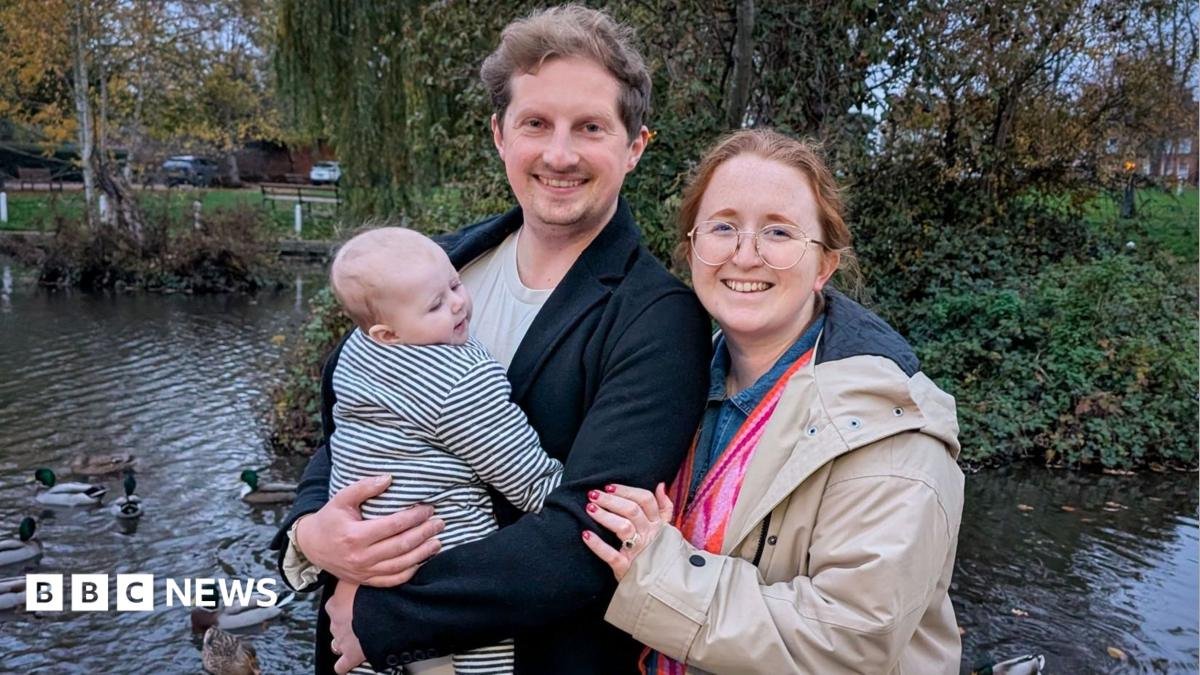
“I woke up my husband and we both agreed there was no way we could put Rosie in it.” Emma Hunter, 29, from Norwich, said.
Regulatory Standards and Design Hazards
The EN 16781 standard establishes strict requirements for the sizing of neck openings in relation to a child’s height to prevent asphyxia. While the product in question carried a label claiming compliance with British standards, Hunter’s measurements indicated a clear deviation from these safety mandates.
The British Retail Consortium warns that if an infant slips through the neck opening, the resulting obstruction of the nose and mouth can starve the brain of oxygen, leading to potential brain damage or fatality, as reported by BBC News.

Ruth Watts, a qualified health visitor in England, advised that parents should perform a physical check of the gap around a baby’s neck.
“The best thing to do is check the gap around the neck. If you can fit one to two fingers around the neck then that's safe. If it's any tighter or looser than that, then you shouldn't use it” Ruth Watts, a qualified health visitor in England, said.
Corporate Response and Product Recall
Next confirmed that it is currently contacting all customers who purchased the affected item to provide guidance on the next steps. A spokesperson for the retailer said that the company has removed the product from all sales channels and is actively managing the recall process.
“They seemed quite laissez faire about it and just offered me a refund, but I said 'it's dangerous, surely you shouldn't be selling it any more and there should be a product recall?'” Emma Hunter told BBC News.
The Office for Product Safety and Standards maintains a dedicated portal where consumers can verify if specific items are subject to active recalls.
Ongoing Safety Oversight
The Lullaby Trust, a charity dedicated to the prevention of sudden infant deaths, emphasized the necessity for families to verify that any sleep product has passed required safety checks.
While the charity does not perform independent testing, CEO Jenny Ward said that families should follow manufacturer instructions closely and cease use of any product that causes concern. The organization explicitly supports recent warnings issued by the Office for Product Safety and Standards regarding the fit of baby sleep bags.
Next traces its roots to a tailoring business founded by Joseph Hepworth in Leeds in 1864, which grew into a chain of 100 outlets by 1884. The Next brand itself launched on 12 February 1982 when chief executive George Davies began converting Kendall & Sons womenswear shops, later adding menswear and home ranges.
By 1988 the group had over-expanded to the verge of bankruptcy, prompting a major retrenchment. Today Next is the largest clothing retailer by sales in the United Kingdom, having overtaken Marks & Spencer in 2012, and operates around 700 stores worldwide.
The Office for Product Safety and Standards keeps tracking product safety alerts, and consumers should check its website for updates on this and other recalls.