
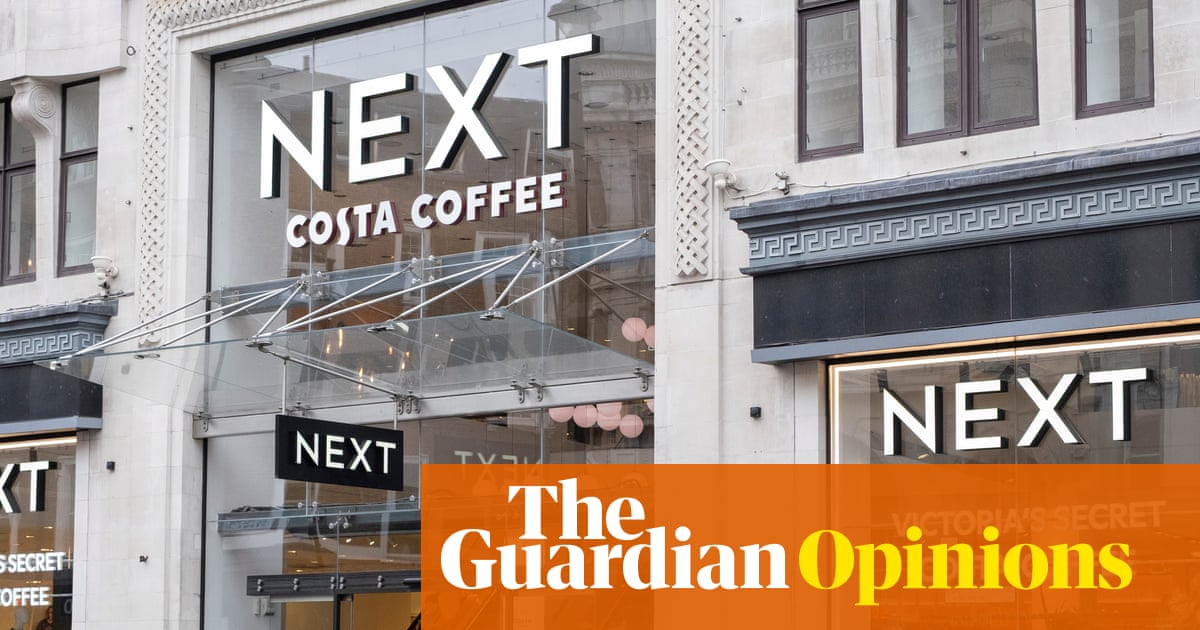
Next Profits Hit £1.16bn Despite Middle East Conflict Costs
Next PLC reported £1.16bn in pre-tax profits for FY2026, effectively neutralizing a £15m Middle East conflict cost impact. While CEO Simon Wolfson maintains a cautious outlook on freight volatility, the retailer’s resilient margins and deferred autumn-winter inventory exposure suggest the supply chain shock remains contained for Q1. Market analysts view the 5% share price surge as a vote of confidence in Next’s hedging strategies against rising energy bills and logistical bottlenecks.
The Phoney War: Profit Resilience Amidst Geopolitical Friction
The narrative emerging from Leicester is one of calculated defiance. While the broader retail sector braced for a catastrophic hit from the escalating Middle East conflict, Next PLC’s full-year results reveal a balance sheet robust enough to absorb the initial shockwave. The £15m estimated cost increase—derived from spiked air freight rates and fuel surcharges—represents a mere 1.3% of the company’s £1.16bn pre-tax profit. In the grand ledger of global retail, this is noise, not signal.
Simon Wolfson, a CEO known for his conservative guidance, has effectively decoupled the company’s immediate performance from the geopolitical chaos. By mechanically adding £8m to this year’s guidance based on last year’s outcomes, he signals that the operational engine is running hotter than the external environment suggests. Trading conditions in the UK remain “encouraging,” defying the British Retail Consortium’s grim forecasts of collapsed consumer confidence. The data suggests a lag effect: UK consumers are reacting to actual price hikes, not the theoretical threat of them.
This resilience highlights a critical divergence in the market. While competitors scramble to reprice spring-summer ranges, Next’s inventory strategy has created a buffer. The “crunch-point” for fabric costs and Asian factory disruptions is deferred until the autumn-winter cycle. This temporal gap provides a strategic window for corporate treasuries to stabilize.
Financial Architecture: Margin Defense and Cost Absorption
To understand the magnitude of Next’s defensive posture, one must look beyond the headline profit figure. The company’s ability to offset £15m in conflict-related costs without triggering an immediate price war speaks to superior working capital management. According to the Next PLC FY2026 Annual Report, operating margins have held steady despite the inflationary pressure on energy bills.
The following breakdown illustrates how Next’s operational efficiency dwarfs the specific line-item risks posed by the conflict:
| Metric | FY2025 Actual | FY2026 Reported | Conflict Impact Estimate |
|---|---|---|---|
| Pre-Tax Profit | £1.09bn | £1.16bn | Neutralized via savings |
| Freight &. Fuel Costs | Baseline | +£15m (3-month projection) | Offset by operational efficiencies |
| Share Buyback Threshold | £128.00 | £131.00 | Current Price: £125.40 (Undervalued) |
| Consumer Sentiment Index | Stable | Resilient (Pre-price hike) | Potential Q3 Volatility |
The table reveals a stark reality: the conflict cost is manageable, but the share price undervaluation presents a different kind of friction. With shares trading at £125.40 against Wolfson’s £131 buyback threshold, the company is sitting on significant latent value. This gap often triggers defensive maneuvering, where mid-cap retailers consult with top-tier corporate finance advisory firms to explore capital restructuring or defensive M&A activity to protect shareholder value during periods of macro uncertainty.
Supply Chain Entropy: The Logistics Bottleneck
While Next has insulated itself for now, the broader supply chain remains fragile. The conflict has disrupted key shipping lanes, forcing a rerouting of vessels around the Cape of Good Hope, adding weeks to transit times and burning excess fuel. Data from the Baltic Exchange indicates a sharp volatility in freight indices, a leading indicator for retail cost-of-goods-sold (COGS) inflation.

For retailers without Next’s vertical integration or hedging capabilities, this volatility is existential. The “phoney phase” will end when autumn inventory hits the docks. If factory gate prices in Asia rise due to energy costs, the margin compression will be severe. This is where the B2B ecosystem becomes critical. Retailers are increasingly turning to specialized global logistics and supply chain providers to diversify routing and secure capacity before the Q3 crunch.
“The market is pricing in a short-term disruption, but the structural damage to shipping lanes could persist well into Q4. Retailers need to lock in freight contracts now, not wait for the May update. We are seeing a flight to quality among logistics partners who can guarantee capacity despite geopolitical friction.”
— Elena Rossi, Senior Analyst, Global Freight Intelligence
Rossi’s assessment underscores the urgency. The “mechanical read-through” Wolfson mentions relies on the assumption that disruption lasts only three months. If the OECD’s projection of 0.7% UK growth holds, consumer demand will be the next casualty. Retailers must pivot from cost-cutting to resilience building, often engaging enterprise risk management consultants to stress-test their supply chains against prolonged conflict scenarios.
The May Pivot: Capital Allocation and Market Sentiment
All eyes now turn to the first-quarter update in May. This will be the definitive stress test. If energy bills and retail prices converge to hit consumer wallets, the “resilient business” narrative may fracture. However, the current stock market reaction—a 5% rise in Next’s share price—suggests investors are betting on the company’s ability to pass costs through to consumers without breaking demand.
The strategic imperative for the next quarter is clear: maintain liquidity and monitor the yield curve. With interest rates likely remaining elevated to combat the secondary inflation effects of the conflict, capital allocation becomes paramount. Next’s strict formula for economic value suggests they will not buy back shares until the price drops further or profits upgrade significantly. This creates an arbitrage opportunity for institutional investors watching the gap between intrinsic value and market price.
For the wider directory of business services, this volatility creates demand. As consolidation accelerates in the retail sector, weaker players unable to absorb the £15m+ shock will become targets. Mid-market competitors are already scrambling for capital, consulting with M&A advisory firms to explore defensive buyouts before the autumn inventory crisis hits. The Middle East shock hasn’t hit Next yet, but We see reshaping the entire B2B landscape of retail support services.
The trajectory is set. May will determine if this is a temporary blip or a structural shift in global trade costs. Until then, the smart money is on resilience, diversified logistics, and rigorous capital discipline.