Newton Resident to Sue City Over Miniature Horse Removal Order
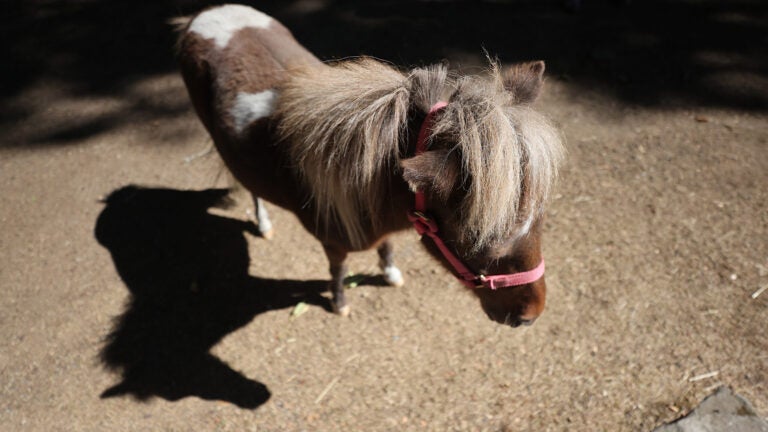
Clover, a 28.5-inch, 165-pound miniature horse residing in an Auburndale yard, must be removed from the property by Oct. 19 after Newton city health officials denied an appeal by her owner, Judy Hinchey.
Miniature Horse Meets Large Animal Health Code Rules
City health officials determined that Hinchey’s yard fails to meet municipal health requirements established for large animals, specifically noting that manure must be stored 100 feet away from lot lines. Public health director Lisa Heyer rejected arguments that the animal’s compact size exempts her from standard livestock rules, stating in her ruling that a miniature horse constitutes a large animal under the plain language of the code. A miniature horse is a breed of horse and thus, based solely on the plain language of the regulations, constitutes a Large Animal,
Heyer said. The regulation … does not include any exception or threshold based on the size of the horse,
Heyer said, as reported by boston.com. The fact that a horse may be small does not remove the animal from the category of ‘horse.’
Neighbor complaints regarding the smell of manure prompted initial scrutiny, though Hinchey maintained she implemented measures to mitigate odors. Heyer suggested that odor concerns ultimately proved immaterial to the formal decision, asserting that property layout issues rendered a site visit unnecessary for evaluating the appeal.
Contrasts in Municipal Treatment of Animals
Hinchey challenged the regulatory logic by pointing out discrepancies in how Newton treats different species of similar stature. She noted that Vietnamese pot-bellied pigs are largely exempt from regulations governing standard swine. Heyer dismissed the comparison, explaining that exemptions for pot-bellied pigs rest on their traditional status as indoor house pets rather than livestock housed in separate outdoor stalls. I do not find the analogy to swine and pot belly pigs compelling,
Heyer stated, according to boston.com coverage.
Hinchey also contended that several other municipalities across Massachusetts recognize a practical distinction between miniature horses and full-size equines, a distinction absent from Newton’s health code. She stated she assumed city officials delayed responding to her September 15 appeal because they were revising poorly worded regulations, an assumption that proved incorrect. I assumed it was that they were fixing the regulations because they’re so poorly worded,
she said. But no, they didn’t.
Hinchey Invests $100,000 in Backyard Animal Shelter
Following initial zoning approval for an animal shelter on her property, Hinchey invested approximately $100,000 to reconfigure her backyard, constructing a stall and enclosure for Clover. That included razing her backyard to turn her vision for a therapeutic mini horse practice into reality. She stated that the property value has suffered due to the physical alterations. If I try to sell my house, it’s definitely not worth what it was a year ago, when it had nice green grass and not a shelter,
Hinchey told boston.com.
Incensed by a review process that took over a year, Hinchey stated she intends to file a lawsuit against the city to block the removal order and keep Clover on the property. The commissioner had said to me,
she said in a Tuesday interview. Well, we took it in good faith that you had followed the rules,
That makes me want to fight it even more.