
Newfoundland & Labrador Battles Escalating Wildfires, Evacuations Expand – Fire Ban remains in Effect
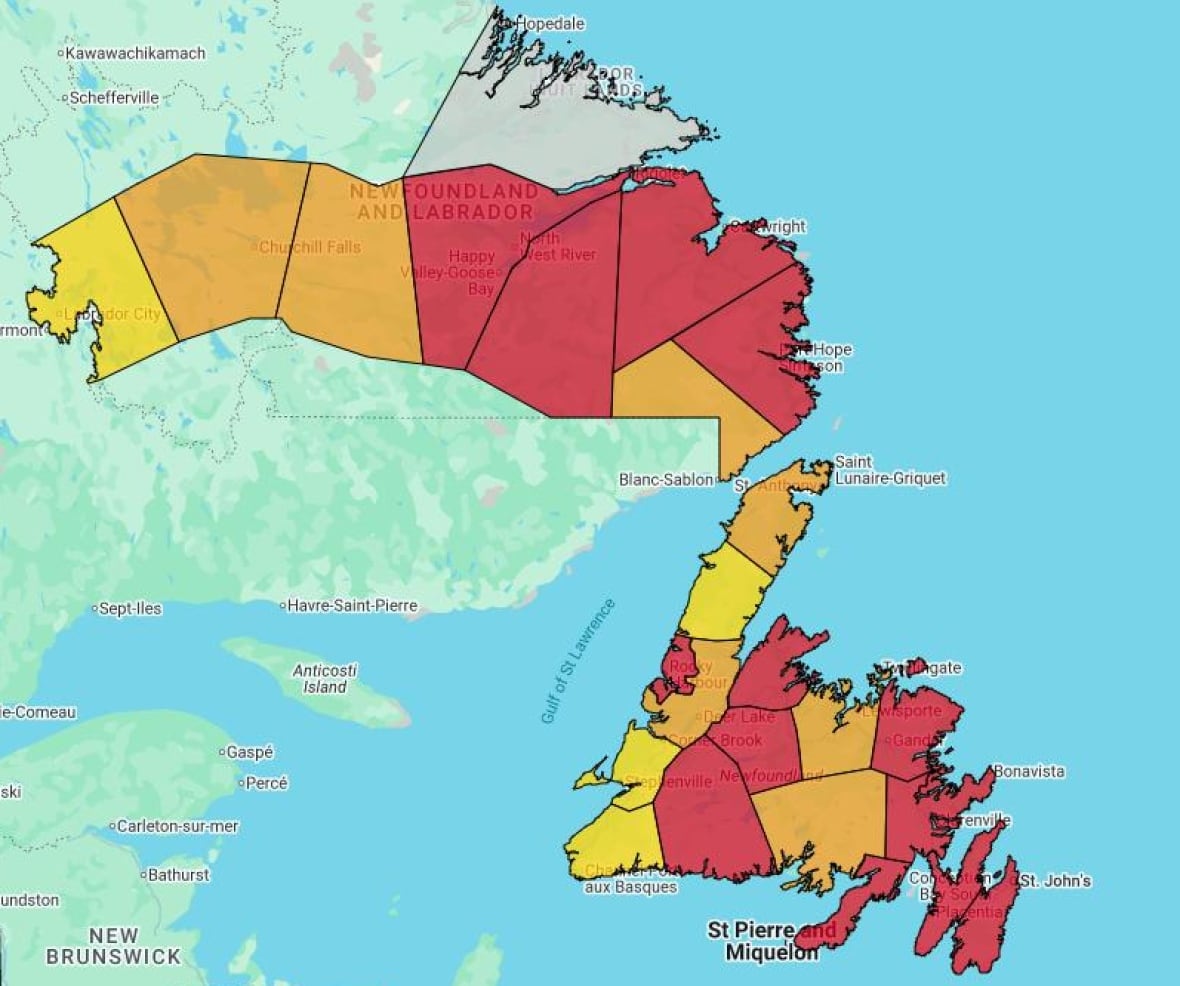
St. John’s, NL – July 22, 2023 – A critical wildfire situation is unfolding across Newfoundland and labrador, prompting expanded evacuation orders and a province-wide fire ban as hot, dry conditions persist. Much of teh province is currently rated at extreme or very high fire risk, according to the Government of Newfoundland and Labrador. the situation is particularly acute in central Newfoundland, where the Kingston fire is rapidly growing, and in Labrador, where the Martin Lake fire continues to burn.
Current Wildfire Status (as of Sunday, July 22nd, 2:00 PM NT):
Kingston Fire: Growth on Saturday triggered new evacuation orders, now encompassing Burnt Point-Gull Island-Northern Bay, in addition to the Town of Small Point-Adam’s Cove-Blackhead-Broad Cove, the Town of Western Bay, the Town of salmon Cove, Kingston, Perry’s Cove, and Ochre Pit Cove.
Martin Lake Fire (Labrador): Remains out of control at 245 hectares. Suppression efforts are focused on the fire’s southwestern edge and areas near cabins. Crews have successfully contained the northern flank of the blaze.
Holyrood/Conception Bay North Fire: This fire is now considered “held” at 22 hectares, allowing evacuees to return home on Saturday. Ongoing Illegal Fires: Despite the province-wide ban and substantially increased fines, authorities report continued instances of illegal open fires. the St. John’s Regional Fire Department responded to seven bonfires and two brush fires overnight Saturday, identifying one as illegal.
Context: A Province Under pressure
Newfoundland and Labrador is experiencing a particularly challenging wildfire season, exacerbated by unusually warm and dry weather. Lightning strikes are believed to be the cause of both fires currently burning in Labrador. The province has implemented a strict fire ban,prohibiting all open fires,including campfires,brush piles,and the use of fireworks.
Increased Penalties for Fire Violations:
Effective Friday, fines for violating the fire ban have been dramatically increased:
First Offense: $50,000
Subsequent Offences: $75,000 – $150,000
Default on Payment: Potential jail time of up to one year.Thes measures reflect the severity of the situation and the strain on emergency resources. Provincial fire duty officer Mark Lawlor emphasized the critical need for public cooperation. “Our resources are stretched. So if people could obey the ban,it would significantly help us out,” he stated. He also urged ATV riders to ensure their vehicles are properly maintained to prevent sparks from igniting dry vegetation.
Resource Deployment & Ongoing Efforts:
The province is utilizing meaningful resources to combat the wildfires:
Aerial Support: Two water bombers from Quebec, a “bird dog” aircraft, and three air tractors from New Brunswick are providing aerial support to ground crews.
Ground Crews: dedicated teams are working to contain the fires, focusing on strategic areas.
Currently,the Bay d’Espoir Highway remains unaffected by the fires. However, cabin owners in the Martin Lake, Great Rattling Brook, and Rushy Pond areas of the Bay d’Espoir Highway – specifically those from Rushy Pond to Rifle lake – remain under an evacuation advisory, meaning they shoudl be prepared to leave if conditions worsen.
Staying Informed:
Residents and visitors are urged to stay informed about the evolving situation through official channels:
CBC Newfoundland and Labrador: Download the free CBC News app for push alerts and visit https://www.cbc.ca/news/canada/newfoundland-labrador for updates.
Government of Newfoundland and Labrador: Check official government websites for evacuation orders and fire ban information.
Details Not Included in Original Article:
Specific weather conditions: The article doesn’t detail the specific temperatures and rainfall deficits contributing to the high fire risk. (Current conditions show prolonged dry spells and above-average temperatures for this time of year).
Long-term impacts: The article doesn’t address the potential long-term ecological and economic impacts of the wildfires, such as forest regeneration, tourism disruption, and air quality concerns.
Fire Prevention Education: Details on proactive fire prevention education campaigns being run by the province are absent.
Mutual Aid Agreements: The article mentions assistance from Quebec and New Brunswick, but doesn’t detail the specifics of the mutual aid agreements in place.
Air Quality: while not directly mentioned,smoke from the fires is impacting air quality in some regions,particularly those downwind.
Disclaimer: This information is current as of July 2
