
Newell’s Assembly Confirms $33 Million Debt in Financial Audit
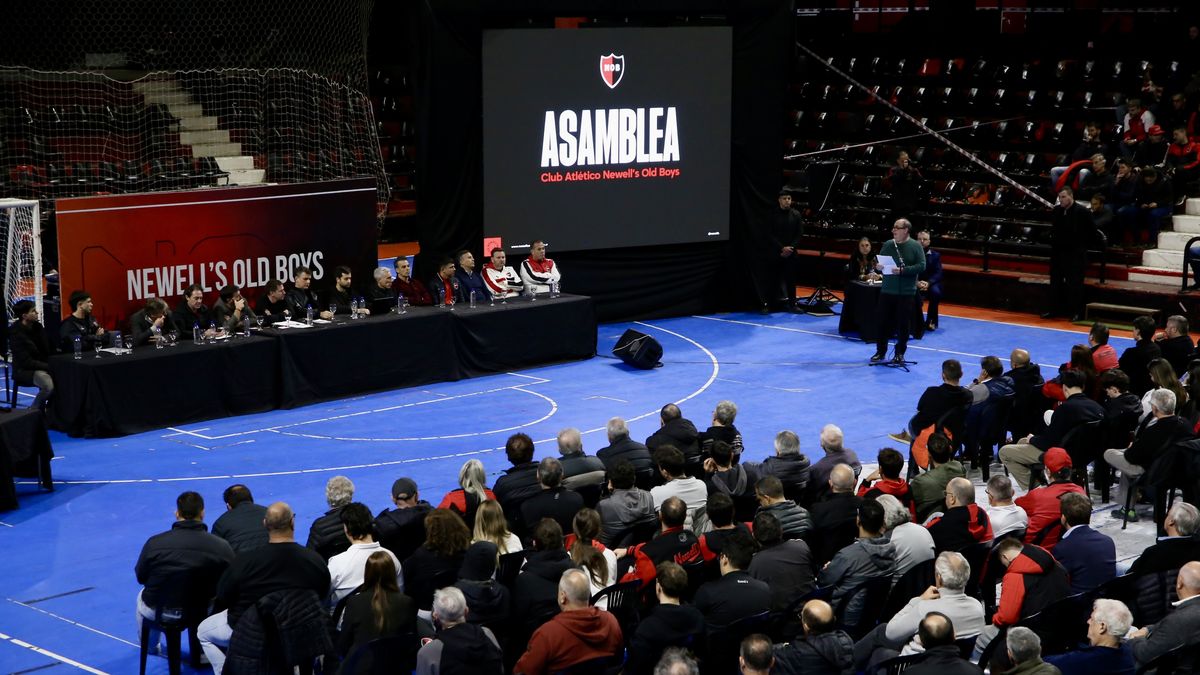
Newell’s Old Boys members have officially confirmed a staggering $33 million debt following a critical general assembly. Marking the commencement of the Boero era, the assembly presented a forensic audit of the previous Astore administration, highlighting significant financial discrepancies and raising serious questions regarding the management of club revenues, including funds from a recent trip to Miami.
The revelation of a $33 million deficit places the Rosario-based institution in a precarious position, moving beyond mere budgetary tightening into the realm of structural insolvency. For a club of this magnitude, such a massive debt load isn’t just a line item on a balance sheet; it is a direct threat to competitive viability, squad depth, and the ability to navigate upcoming transfer windows. As the club transitions into the Boero administration, the primary challenge is no longer tactical on the pitch, but rather the urgent necessity of fiscal stabilization and the restoration of fiduciary trust among stakeholders.
Forensic Scrutiny: The Audit of the Astore Administration
The assembly served as a platform for a grueling presentation of the audit covering the Astore management period. This wasn’t a routine financial review; it was a deep dive into the mechanics of the club’s previous spending and revenue collection. The audit’s findings have already sent shockwaves through the club’s hierarchy, specifically regarding the accountability of financial leadership. Reports indicate that the accountant overseeing the Astore era has faced intense questioning from members regarding the accuracy and transparency of the club’s ledgers.
The scrutiny centers on how capital was allocated and whether the club’s internal controls were bypassed to facilitate specific expenditures. In professional sports, when an audit reveals such significant gaps, the immediate fallout often includes a complete overhaul of the administrative department. The club is now tasked with reconciling these discrepancies before they escalate into legal challenges or formal insolvency proceedings. Navigating such complex financial restructuring requires the intervention of specialized sports law expertise to ensure that the transition of power is legally sound and that previous liabilities are clearly delineated.
Revenue Leakage: The Miami Trip Controversy
One of the most contentious points raised during the assembly involved the allocation of funds generated during a recent trip to Miami. According to reports from Rosario3, questions have been raised regarding why the revenues from this excursion were directed into a specific account rather than the club’s primary operational coffers. This lack of transparency regarding “off-book” or diverted revenue streams is a classic red flag for mismanagement.
In high-stakes football management, every dollar of commercial revenue—whether from international tours, sponsorships, or matchday hospitality—must be accounted for within a centralized, audited system. The diversion of funds, even if intended for specific club purposes, undermines the integrity of the entire financial structure. This creates a “liquidity vacuum” where the club may appear to have assets but lacks the ready cash flow required to meet immediate obligations, such as player wages or stadium maintenance. To prevent such occurrences, clubs must often lean on professional financial consultants to implement rigorous oversight protocols.
Comparative Financial Landscape: Astore vs. Boero Era
To understand the scale of the task facing the new administration, we must look at the stark contrast between the audited past and the projected future. The following table outlines the primary financial pressures identified during the assembly.
| Financial Metric | Astore Administration (Audit Findings) | Boero Administration (Projected Outlook) |
|---|---|---|
| Confirmed Total Debt | $33 Million | Debt Restructuring Phase |
| Revenue Transparency | Low (Contested Miami Trip Funds) | High Priority (Centralized Accounting) |
| Audit Status | Completed/Contested | Ongoing Implementation |
| Primary Fiscal Risk | Unaccounted Revenue/Lack of Oversight | Liquidity Management/Debt Servicing |
The Ripple Effect: Rosario’s Economic Stake
The financial health of Newell’s Old Boys is inextricably linked to the local economy of Rosario. A club in debt is a club that scales back. When a major franchise faces a liquidity crisis, the impact is felt far beyond the stadium walls. Reduced matchday attendance, diminished hospitality spending, and a lack of investment in stadium infrastructure create a negative feedback loop for local businesses.
From local event management firms to regional transport providers, the “halo effect” of a thriving football club is a vital component of the city’s service sector. If the club cannot afford to host high-profile international matches or maintain premium matchday experiences due to its $33 million debt burden, the local hospitality and tourism sectors will inevitably see a decline in projected revenues. The stability of the club is, in many ways, a proxy for the economic vitality of the regional sports ecosystem.
Looking Ahead: The Path to Solvency
As Cristián D’Amico noted in his analysis prior to the assembly, the club is at a crossroads. The transition to the Boero era is not merely about changing the names on the office doors; it is about a fundamental shift in how the club manages its capital. The $33 million debt is a heavy anchor, but it is also a definitive starting point. For the club to regain its competitive edge, the administration must prioritize debt restructuring, secure transparent revenue streams, and rebuild the trust of a skeptical membership.

The success of this rebuild will be measured not by trophies in the short term, but by the ability to stabilize the balance sheet and ensure that every peso earned is a peso accounted for. For fans and stakeholders alike, the focus remains on whether the Boero administration can turn this period of forensic scrutiny into a foundation for sustainable growth.
As the club navigates this period of intense administrative change, finding the right professionals to manage legal and financial complexities is essential. We encourage all stakeholders to utilize the World Today News Directory to connect with vetted legal advisors and financial experts who specialize in the intricacies of sports governance and debt management.
Disclaimer: The insights provided in this article are for informational and entertainment purposes only and do not constitute medical advice or sports betting recommendations.