New Zealanders to Eat Insects: What’s Holding Them Back?
New Zealand’s fledgling insect-protein sector faces significant regulatory and consumer-adoption hurdles as firms attempt to scale production for local and export markets by 2026. While proponents argue that cricket and mealworm-based products offer sustainable protein alternatives, the domestic market remains constrained by cultural resistance and a lack of standardized food safety frameworks.
The Fiscal Reality of Alternative Proteins
Market penetration for insect-based nutrition requires more than just consumer curiosity; it demands a robust supply chain capable of achieving economies of scale. Current production costs for insect protein remain high relative to conventional livestock, largely due to the capital expenditure required for climate-controlled rearing facilities. According to data from the Ministry for Primary Industries (MPI), food safety compliance for novel proteins remains a rigorous, multi-stage process that can delay time-to-market for early-stage ventures.
Investors tracking the alternative protein sector are looking for clear EBITDA paths. Profitability in this space is tethered to feed conversion ratios and the ability to process insect biomass into shelf-stable ingredients. For firms looking to enter this space, managing the transition from pilot-scale production to commercial viability often requires specialized corporate law firms to navigate complex intellectual property and food-labeling regulations.
Regulatory Headwinds and Consumer Sentiment
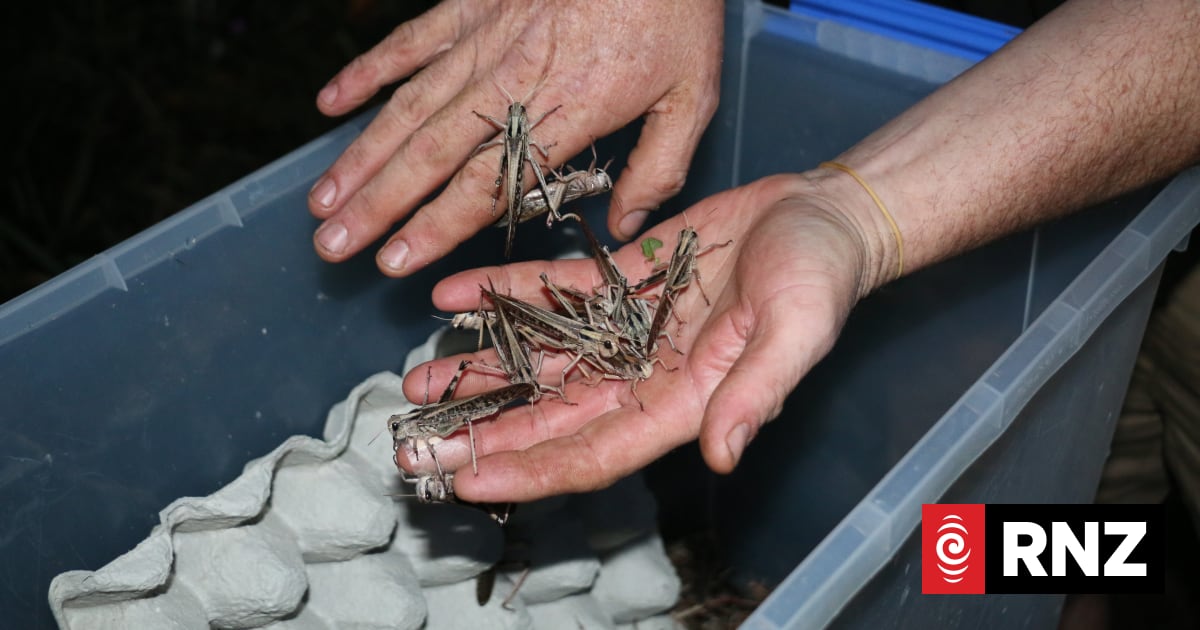
Cultural hesitation remains the primary barrier to adoption among New Zealand consumers. Per the recent reporting by RNZ, the psychological gap between viewing insects as pests and as a viable protein source is substantial. Market research indicates that “yuck factor” sentiment persists, particularly when products are presented in whole-insect form. Success in the sector appears tied to the processing of insects into powders or additives, effectively stripping away the visual cues that trigger consumer rejection.
The regulatory environment is equally cautious. Unlike some international jurisdictions that have fast-tracked the approval of insect-derived ingredients for human consumption, New Zealand’s Food Safety Authority maintains stringent standards regarding allergenicity and processing contaminants. This regulatory environment creates a high barrier to entry, protecting incumbents while forcing startups to allocate significant capital toward research and development rather than aggressive marketing.
Scaling the Supply Chain: A Capital-Intensive Challenge
Capital allocation in the agri-tech sector is increasingly favoring firms that demonstrate vertical integration. By controlling the entire lifecycle—from agricultural waste upcycling to final product refinement—companies can theoretically insulate their margins against volatility in feed costs. However, the lack of standardized industrial equipment for insect processing means that many firms are forced to design bespoke automation solutions.
This operational complexity creates a high demand for external expertise. Organizations struggling with the technical requirements of scaling often rely on business consulting firms to optimize their production workflows and secure the necessary debt or equity financing to bridge the gap between R&D and mass-market retail.
“The shift toward alternative proteins is not merely a culinary trend but a fundamental movement in resource efficiency. For New Zealand, the challenge lies in aligning high-value agricultural branding with an ingredient that the domestic market is not yet prepared to embrace at scale,” says a senior analyst tracking regional agri-tech trends.
Strategic Outlook for the 2026 Fiscal Year
The trajectory for insect protein in New Zealand depends on the industry’s ability to move beyond niche health-food segments. As the cost of traditional protein continues to fluctuate due to global supply chain pressures, insect-based alternatives may find a competitive opening in pet food and animal feed markets first. These sectors offer high-volume opportunities with lower barriers to consumer acceptance compared to human-grade retail.

Firms that survive the next twenty-four months will likely be those that prioritize B2B partnerships over direct-to-consumer sales. By positioning insect protein as a sustainable input for large-scale manufacturers, these companies can secure the long-term revenue streams necessary to satisfy institutional investors. Businesses aiming to stabilize their operations during this period of market maturation should engage with financial advisory services to ensure their balance sheets are positioned for the long-term capital intensity that this sector demands. The path to profitability is narrow, but the demand for sustainable, high-density protein continues to grow in the global commodities market.