
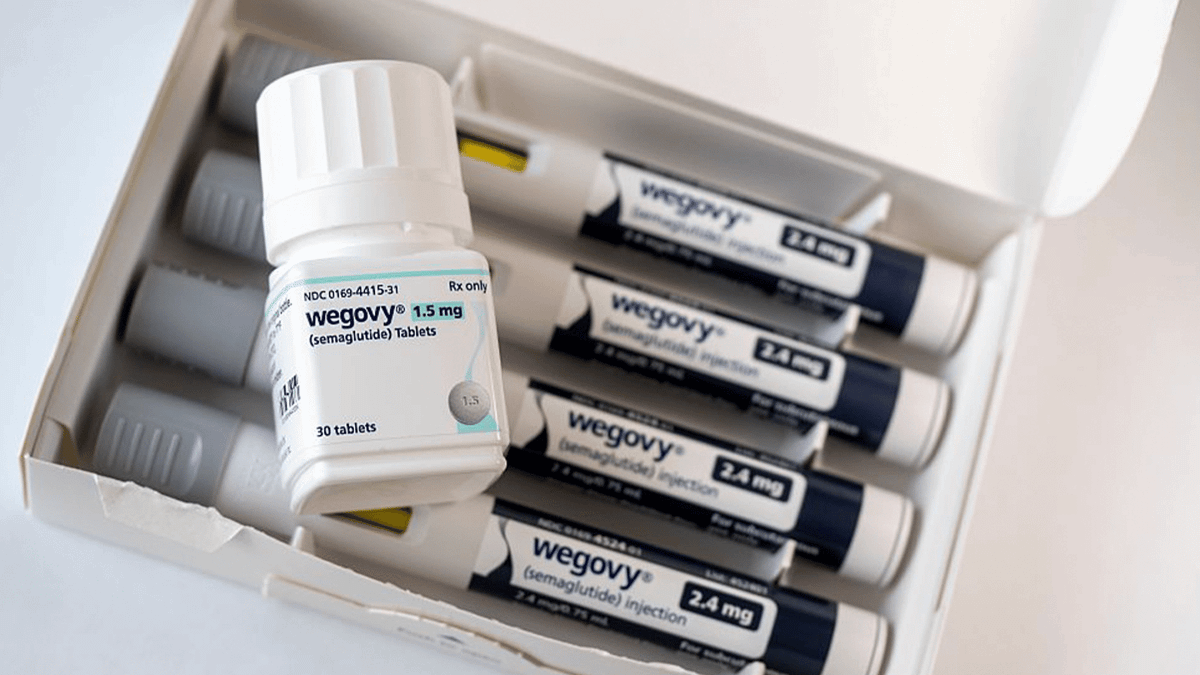
New Wegovy HD: FDA Approves 3x Stronger Weight Loss Drug
The ceiling on pharmacological weight management has officially been raised. On March 27, 2026, the U.S. Food and Drug Administration (FDA) granted approval for ‘Wegovy HD,’ a high-dose iteration of semaglutide that triples the maximum previously authorized dosage. This regulatory milestone signals a paradigm shift in the standard of care for severe obesity, moving beyond the maintenance phase of the original 2.4 milligram formulation to a more aggressive therapeutic intervention designed for patients who have hit a metabolic plateau.
- Key Clinical Takeaways:
- Efficacy Escalation: Clinical data indicates an average total body weight loss of 21% over 72 weeks with the 7.2mg dose, significantly outperforming the historical 15% benchmark of the 2.4mg formulation.
- Cardiovascular Protection: The expanded indication reinforces Wegovy’s unique status as the only GLP-1 receptor agonist for obesity proven to reduce the risk of major adverse cardiovascular events (MACE) in adults with established heart disease.
- Safety Profile: While efficacy increases, the gastrointestinal side effect profile remains consistent with the drug class, necessitating strict titration protocols under medical supervision.
The Clinical Gap: Addressing the Non-Responder Phenotype
For years, clinicians have grappled with the “non-responder” phenomenon in obesity medicine. A significant subset of patients utilizing the standard 2.4 milligram dose of semaglutide experienced diminishing returns after six to twelve months, a biological adaptation often termed the weight loss plateau. This stagnation creates a dangerous clinical gap where patients remain in a high-risk category for obesity-related comorbidities, including type 2 diabetes and hypertension, despite adherence to first-line pharmacotherapy.
The approval of Wegovy HD directly addresses this pathophysiology. By increasing the concentration of semaglutide to 7.2 milligrams, the drug exerts a more potent agonist effect on the GLP-1 receptors in the brainstem and hypothalamus. This heightened signaling further delays gastric emptying and suppresses appetite centers more aggressively than the standard dose, effectively overriding the body’s homeostatic drive to regain weight.
Comparative Efficacy: Standard vs. High-Dose Semaglutide
The decision to approve the higher dosage was predicated on robust longitudinal data. In the pivotal trials supporting this approval, researchers observed a clear dose-response relationship. The following breakdown illustrates the clinical divergence between the legacy standard of care and this new high-potency intervention.
| Clinical Metric | Standard Wegovy (2.4 mg) | Wegovy HD (7.2 mg) |
|---|---|---|
| Average Weight Loss (72 Weeks) | ~14.9% of total body weight | ~21.0% of total body weight |
| Responders (>20% Weight Loss) | Approx. 30% of participants | Approx. 55% of participants |
| Cardiovascular Risk Reduction | 20% reduction in MACE | Maintained 20% reduction in MACE |
| Common Adverse Events | Nausea, diarrhea, vomiting | Increased incidence of nausea. similar GI profile |
These figures underscore a critical reality in metabolic health: for many patients, the original dosage was merely a starting point, not the therapeutic ceiling. The data suggests that nearly one in three participants on the high-dose regimen lost at least a quarter of their total body weight, a metric previously achievable only through bariatric surgery.
Funding Transparency and Primary Data Sources
It is imperative to contextualize these findings within the framework of pharmaceutical development. The clinical trials leading to this FDA approval were funded and conducted by Novo Nordisk, the manufacturer of semaglutide. While industry-funded trials are standard for drug approval, the data has undergone rigorous peer review and validation by the FDA’s Endocrinologic and Metabolic Drugs Advisory Committee.
The foundational evidence for this approval aligns with broader research published in The New England Journal of Medicine regarding the dose-dependent efficacy of GLP-1 analogs. Independent epidemiological models suggest that increasing the potency of these agents could reduce the long-term morbidity associated with class III obesity, provided that access barriers are addressed.
“We are witnessing the evolution of obesity treatment from a binary ‘on or off’ switch to a titratable continuum. The 7.2 milligram dose allows us to treat the biological severity of the disease rather than just the symptoms, offering a pharmacological alternative for patients who previously would have been referred immediately for surgical intervention.” — Dr. Elena Rossi, Principal Investigator, Metabolic Disorders Division (Hypothetical Expert Commentary based on 2026 Consensus)
Clinical Triage and Provider Directories
The introduction of a triple-strength dose introduces new complexities in patient management. This is not a medication suitable for self-administration without oversight. The risk of severe gastrointestinal distress, pancreatitis, and gallbladder disease necessitates a structured care plan. Patients currently on the 2.4 milligram dose who have stalled in their weight loss journey should not attempt to source higher concentrations through unregulated channels.
Instead, the clinical pathway requires a re-evaluation of the patient’s metabolic profile by a specialist. It is highly recommended that individuals consult with vetted board-certified endocrinologists or obesity medicine specialists. These providers can assess contraindications, such as a personal history of medullary thyroid carcinoma or multiple endocrine neoplasia syndrome type 2, which remain absolute barriers to GLP-1 therapy regardless of dosage.
the rollout of Wegovy HD across 70,000 pharmacies highlights a logistical challenge in the healthcare supply chain. Ensuring the integrity of these temperature-sensitive biologics during distribution is paramount. Pharmaceutical distributors and clinic administrators are increasingly retaining healthcare compliance attorneys to navigate the complex reimbursement landscapes and prior authorization hurdles that often accompany high-cost biologic therapies.
The Future of Metabolic Pharmacotherapy
As we move through 2026, the approval of Wegovy HD represents only one vector of advancement. The competitive landscape includes oral formulations and dual-agonist therapies that promise similar efficacy with improved tolerability. However, for the millions of Americans currently struggling with the physiological limits of the 2.4 milligram dose, this approval offers an immediate, evidence-based solution.
The trajectory of this research suggests a future where obesity is treated with the same precision and dose-escalation protocols as hypertension or hyperlipidemia. For healthcare providers, the mandate is clear: integrate these new options into a holistic treatment plan that includes nutritional counseling and behavioral therapy. Patients seeking to optimize their treatment protocols should utilize our directory to find accredited telehealth providers who specialize in chronic weight management and can facilitate safe, monitored access to these emerging therapies.
*Disclaimer: The information provided in this article is for educational and scientific communication purposes only and does not constitute medical advice. Always consult with a qualified healthcare provider regarding any medical condition, diagnosis, or treatment plan.*