
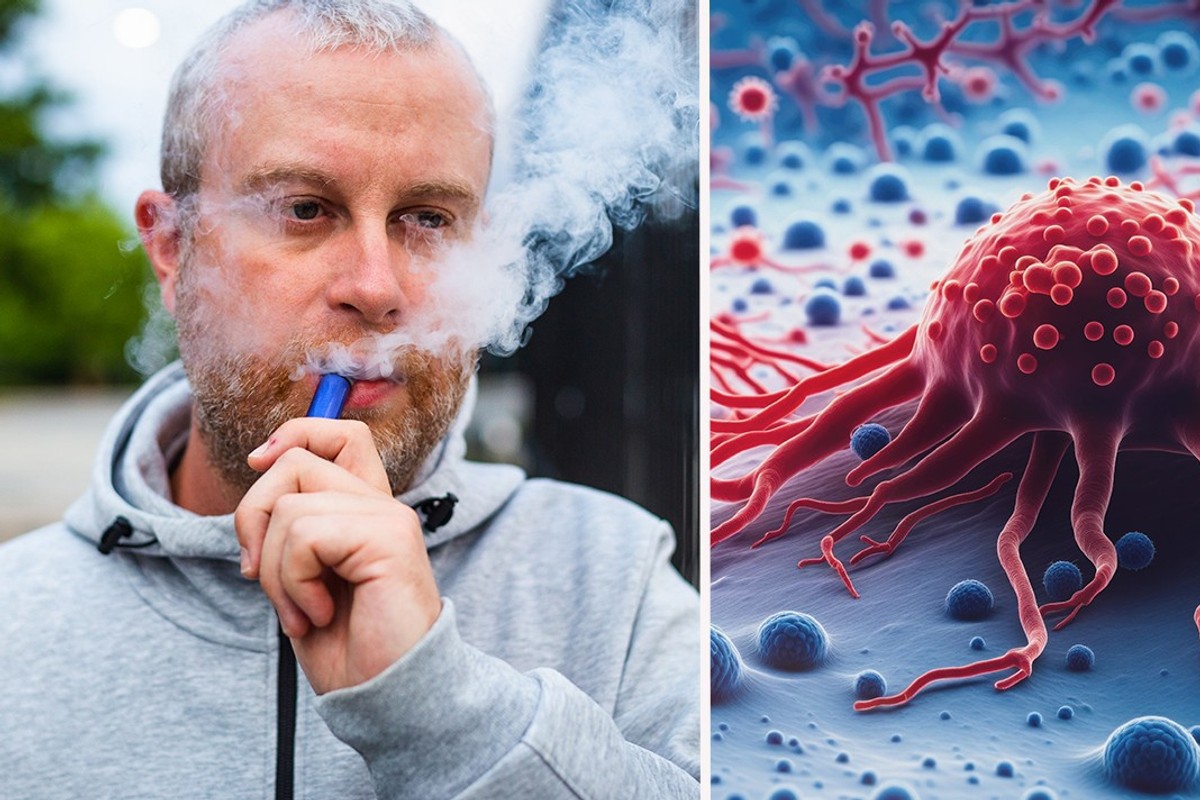
New Study: Vaping Likely to Cause Cancer
The long-standing narrative that e-cigarettes serve as a benign alternative to combustible tobacco has been fundamentally challenged by a comprehensive new review of evidence. Recent findings indicate that nicotine-based vaping is likely to cause cancers of the lung and oral cavity, shifting the clinical conversation from harm reduction to active carcinogenic risk.
Key Clinical Takeaways:
- A multidisciplinary review led by UNSW Sydney identifies nicotine vapes as likely causes of lung and oral cancer.
- Evidence of pre-carcinogenic changes, including DNA damage and systemic inflammation, has been observed in the cells and tissues of the mouth and lungs.
- Researchers argue that vaping can no longer be clinically categorized as “safer than smoking” due to its independent potential to induce malignancy.
For years, the medical community has viewed vaping primarily through the lens of a “gateway” to tobacco or a tool for cessation. However, this narrow focus has obscured a critical clinical gap: whether the devices themselves induce cancer independently of tobacco use. The latest analysis, published in the peer-reviewed journal Carcinogenesis, addresses this void by aggregating data from mouse studies, human case reports, biomarker studies, and chemical analyses of nicotine-based vape ingredients.
The Pathogenesis of Vaping-Induced Malignancy
The review, led by Adjunct Professor Bernard Stewart AM of UNSW Sydney, suggests that the inhalation of e-cigarette aerosols triggers a cascade of biological alterations. Rather than waiting for decades of longitudinal data to confirm terminal cancer rates, researchers identified early warning signs in the body that are strongly linked to cancer risk. Specifically, the data reveals significant DNA damage and inflammation within the respiratory and oral tracts.
“There is no doubt that the cells and tissues of the oral cavity, the mouth and the lungs are altered by inhalation from e-cigarettes,” states Adjunct Prof. Bernard Stewart.
These pre-carcinogenic changes suggest a dangerous trajectory of morbidity. When the integrity of cellular DNA is compromised and chronic inflammation persists, the risk of malignant transformation increases. This biological mechanism of action indicates that the chemicals produced by e-cigarettes are not inert; they actively modify the cellular environment of the lungs and oral cavity. Patients presenting with unexplained oral lesions or persistent respiratory inflammation should seek immediate evaluation from board-certified oncologists to screen for early markers of dysplasia or malignancy.
Deconstructing the “Safer than Smoking” Paradigm
The clinical consensus has often leaned toward vaping as a lower-risk alternative because it lacks the combustion products of traditional cigarettes. However, the UNSW study argues that this comparison is a false dichotomy. By examining the carcinogenicity of vapes on their own, the research team—which included epidemiologists, thoracic surgeons, and pharmacists from The University of Queensland, Flinders University, and The University of Sydney—found that the risk is inherent to the vaping process itself.
The challenge in establishing a definitive statistical risk level lies in the timeline of adoption. Because modern e-cigarettes only emerged in the early 2000s, the medical community lacks the 30-to-40-year longitudinal data typical of tobacco research. The prevalence of “dual users”—individuals who both vape and smoke—creates a confounding variable that complicates the isolation of vaping’s specific effects. Despite these hurdles, the researchers assert that the current evidence from animal experiments and laboratory research is sufficient to warn the public.
For individuals struggling with nicotine dependence who have transitioned to vaping under the impression of safety, the priority must shift toward complete cessation. To navigate this transition safely and avoid withdrawal-induced morbidity, patients are encouraged to consult certified addiction specialists who can provide evidence-based pharmacological support.
Regulatory Failure and the Black Market Crisis
Beyond the biological risks, the study highlights a systemic failure in the enforcement of vaping laws. While Australia maintains strong legislation on the books, the reality on the ground is a proliferation of incorrectly labeled, black-market vapes. These unregulated products often contain unknown chemical constituents that may exacerbate the carcinogenic potential identified in the UNSW review.
The lack of stringent oversight means that users are often exposed to concentrations of nicotine and flavoring agents that have not undergone rigorous safety testing. This regulatory gap transforms a public health challenge into a clinical crisis, as healthcare providers are left to treat the effects of substances that are not transparently labeled. The call for a crackdown on the black market is not merely a legal necessity but a clinical imperative to prevent a future surge in preventable cancers.
As the prevalence of vaping-related lung injury and inflammation grows, the demand for advanced diagnostic imaging has increased. Patients exhibiting chronic cough or shortness of breath should be referred to respiratory specialists for high-resolution CT scans and pulmonary function tests to assess the extent of tissue alteration.
Clinical Outlook and Future Trajectory
The findings published in Carcinogenesis mark a pivotal shift in the epidemiological understanding of e-cigarettes. By establishing that vaping is likely carcinogenic independent of smoking, the research removes the “safe alternative” shield that has protected the industry from stricter scrutiny. The immediate future of this research will likely focus on identifying specific biomarkers that can predict which vapers are most susceptible to DNA damage.
The medical community must now move toward a proactive screening model for long-term vapers, treating them with the same clinical vigilance as traditional smokers. The evidence is clear: the risk of lung and oral cancer is a tangible threat that necessitates immediate regulatory action and clinical intervention. Finding vetted healthcare providers who specialize in early cancer detection and respiratory health is the most effective way to mitigate the long-term impact of these findings.
Disclaimer: The information provided in this article is for educational and scientific communication purposes only and does not constitute medical advice. Always consult with a qualified healthcare provider regarding any medical condition, diagnosis, or treatment plan.