New Study Reveals Driving Thrill Is About Focus, Not Speed
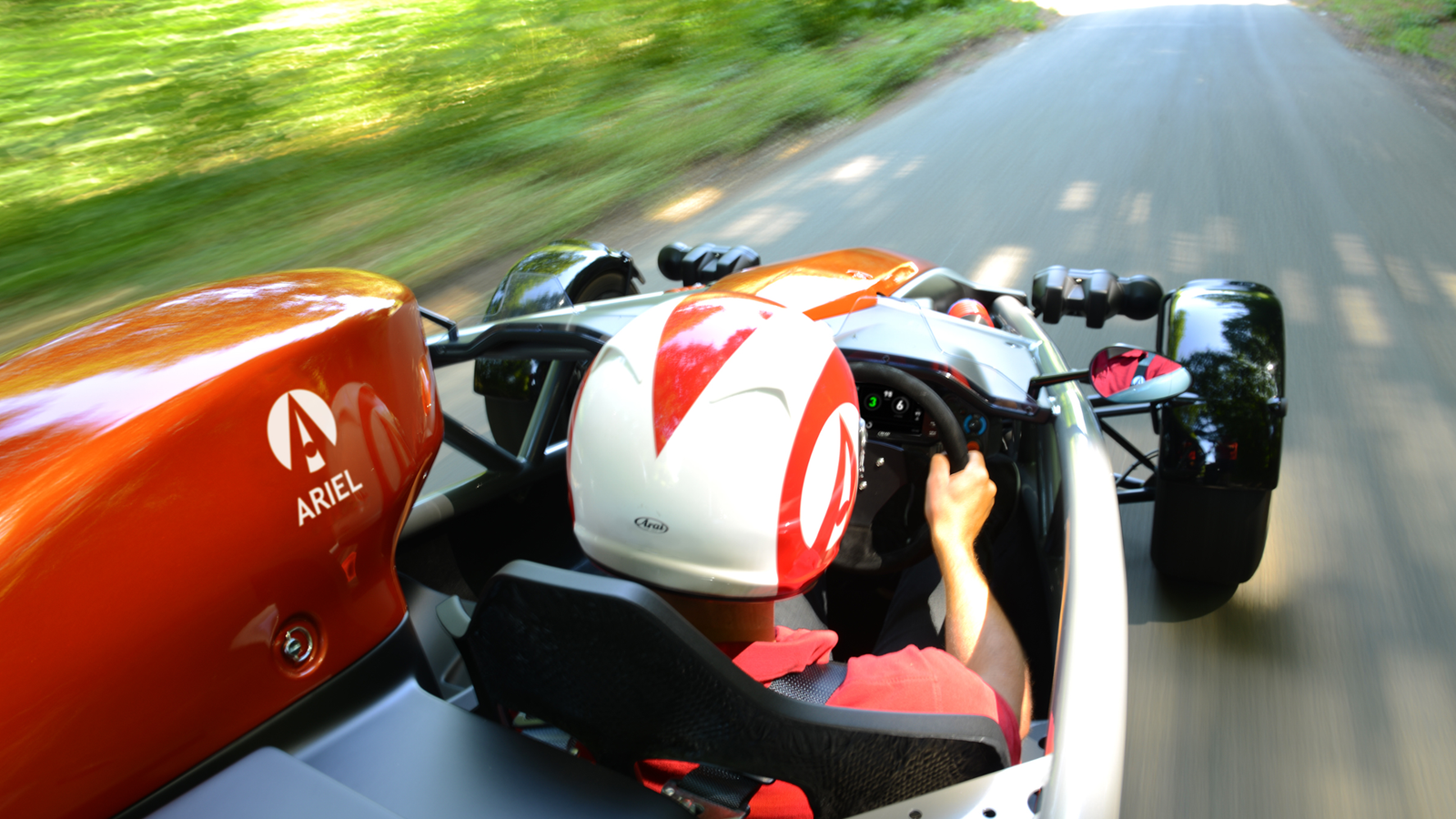
A new independent study commissioned by Castrol reveals that the true thrill of driving stems from focused neurophysiological immersion rather than sheer velocity. Published following research conducted at a dedicated track facility in the UK, the findings demonstrate that motorists achieve peak excitement in controlled environments like technical karting circuits where speeds remain modest, challenging conventional assumptions about automotive performance.
The Tech TL;DR:
- Core Finding: Driving thrill is driven by neurophysiological focus and controlled immersion, not high speeds, according to research published by Castrol.
- Methodology: Participants wore brain, eye, heart, and skin monitoring equipment across five driving tests managed by UK neuroscience firm Brainbox.
- Practical Application: Motorists can experience a flow state and heightened engagement on local karting tracks or technical roads without needing a supercar.
Neurophysiological Metrics and the Flow State
The research suggests that driving thrill emerges when three distinct factors converge into an elevated state: visceral response involving intense mental and physical stimulation, intellectual engagement measuring how focused the mind is on the task, and emotional balance assessing the equilibrium between excitement and fear. Dan Phillips, co-founder and director at Brainbox Ltd., notes that no single measurement defines this experience. Instead, thrill occurs when an individual experiences elevated neurophysiological arousal, perceives full control of the vehicle, and remains cognitively and emotionally immersed, pointing out that true thrill surfaces when a driver locks in completely across brain, heart, and eye metrics.
When these three factors exceed an individual driver’s manageable threshold, the experience transitions from thrill into fear. Key stress indicators, including heart rate and eye movement, shift into less consistent and less managed patterns when external stimuli overwhelm the operator.
Engineering the Data-Driven Driving Experience
Vincent Panel, head of product and communications for Europe at Castrol, explains that the brand’s passion for motorsport and driving motivated the study to uncover unique insights regarding the driver’s connection, control, and thrill behind the wheel.
The data demonstrates that drivers do not require a supercar to experience driving thrill. Motorists can achieve almost the same sense of immersive control at lower speeds through a visit to a local karting track or by navigating a favorite technical road. This controlled immersion relies on a managed, closed-course environment where participants feel highly focused and securely in command of the vehicle, entering a neurophysiological flow state.
Editorial Kicker
As automotive engineering increasingly intersects with advanced telemetry and biometric monitoring, understanding the boundary between controlled immersion and cognitive overload remains essential.

Disclaimer: The technical analyses and security protocols detailed in this article are for informational purposes only. Always consult with certified IT and cybersecurity professionals before altering enterprise networks or handling sensitive data.