
Swedish Study Reveals Wide Variation in Newborn Antibiotic Use, Sparks Concerns Over Overprescription
Gothenburg, Sweden – A new study from the University of Gothenburg reveals significant discrepancies in antibiotic management to newborns across Sweden, with usage rates ranging from 0.9% to 4.3% during the first week of life. The findings, published this week, highlight a potential issue of antibiotic overuse despite consistently low rates of sepsis and infant mortality nationwide. This comes as global health organizations increasingly warn about the dangers of antibiotic resistance.
Context: the Balancing Act of Newborn Care
the use of antibiotics in newborns is a complex issue. While crucial for treating life-threatening sepsis – a condition where the immune system overreacts to an infection – early antibiotic exposure can disrupt the delicate bacterial flora of a newborn,potentially leading to long-term health consequences and contributing to the rise of antibiotic-resistant bacteria.Internationally,the goal in regions with low sepsis rates,like much of the Western world,is to keep antibiotic use below 1% of newborns while maintaining low sepsis incidence and mortality.
The Swedish study, utilizing data from the Medical Birth Register and Neonatal Care Register, examined antibiotic usage patterns across the country’s major regions and individual hospitals.Researchers found that Western Sweden exhibited the highest rates of antibiotic use at 3.0%,while Eastern Sweden reported the lowest at 1.3%. All regions, however, maintained sepsis rates below one per thousand newborns.
Regional and hospital-Level Disparities
The study pinpointed significant variation not just between regions, but within them. At the hospital level, antibiotic administration ranged from a low of 0.9% in Västerås to a high of 4.3% in Trollhättan. Other hospitals with notably high usage included Borås (3.7%), Skövde (2.9%), Umeå (2.6%), and Luleå (2.6%). Conversely, hospitals demonstrating lower usage included Örebro (1.0%), Södersjukhuset (1.0%),Visby (1.1%), and Norrköping (1.2%).
Here’s a breakdown of regional antibiotic use:
Southern Sweden: 1.7% (including hospitals in Ystad, Halmstad, Helsingborg, Karlskrona, Kristianstad, Malmö, Växjö, and Lund)
Southeast sweden: 2.1% (including hospitals in Västervik,Jönköping,Kalmar,Norrköping,and Linköping)
Eastern Sweden: 1.3% (including hospitals in Visby,Danderyd,Södersjukhuset,Huddinge,and Solna)
Western Sweden: 3.0% (including hospitals in Borås,Trollhättan,Skövde,and Gothenburg)
Central Sweden: 1.6% (including hospitals in Hudiksvall, Eskilstuna, Falun, Gävle, Karlstad, Västerås, Örebro, and Uppsala)
Northern Sweden: 2.2% (including hospitals in Gällivare, Skellefteå, Örnsköldsvik, Luleå, Sundsvall, Östersund, and Umeå)
Cultural Practices and the Need for Standardization
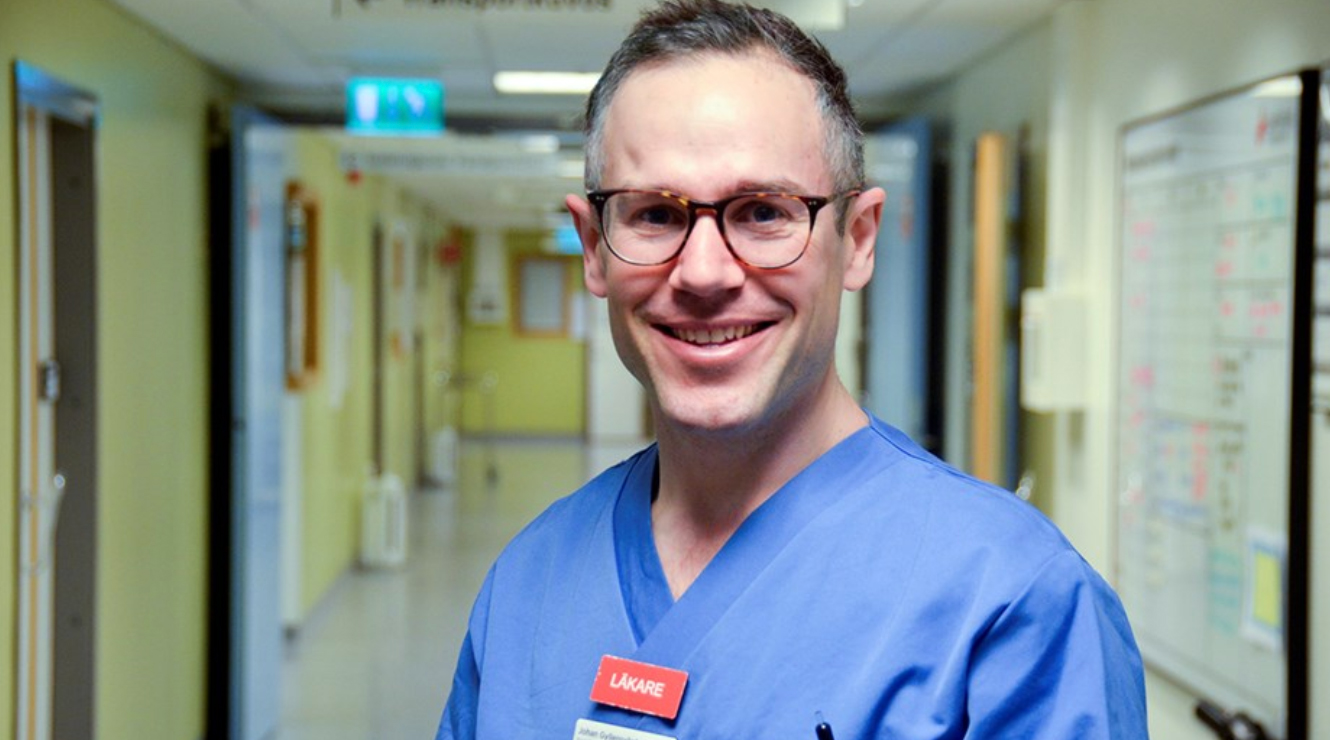
Johan Gyllenswaard, PhD student in pediatrics at the Sahlgrenska Academy at the University of Gothenburg and pediatrician at Ryhov county hospital in Jönköping, who led the study, attributes the variations to differing thresholds for antibiotic initiation among hospitals. “It is very much based on culture and tradition at the different hospitals,” he stated. He emphasized that while higher antibiotic use might potentially be justified in populations with a greater incidence of illness, a more standardized approach and improved ability to differentiate between infected and uninfected newborns are crucial.
Looking Ahead: Reducing overuse and Protecting Future Generations
The study’s authors stress the importance of raising awareness about the potential harms of antibiotic overuse and promoting best practices in newborn care. Thay highlight that achieving antibiotic usage rates of 1% or lower, while maintaining low sepsis rates and mortality, is demonstrably possible. This research provides valuable data for hospitals and healthcare professionals to benchmark their practices and work towards more responsible antibiotic stewardship, safeguarding the effectiveness of these vital medications for future generations.
Sources: University of Gothenburg, Medical Birth Register, Neonatal Care Register, Sahlgrenska Academy, University of Gothenburg.
