
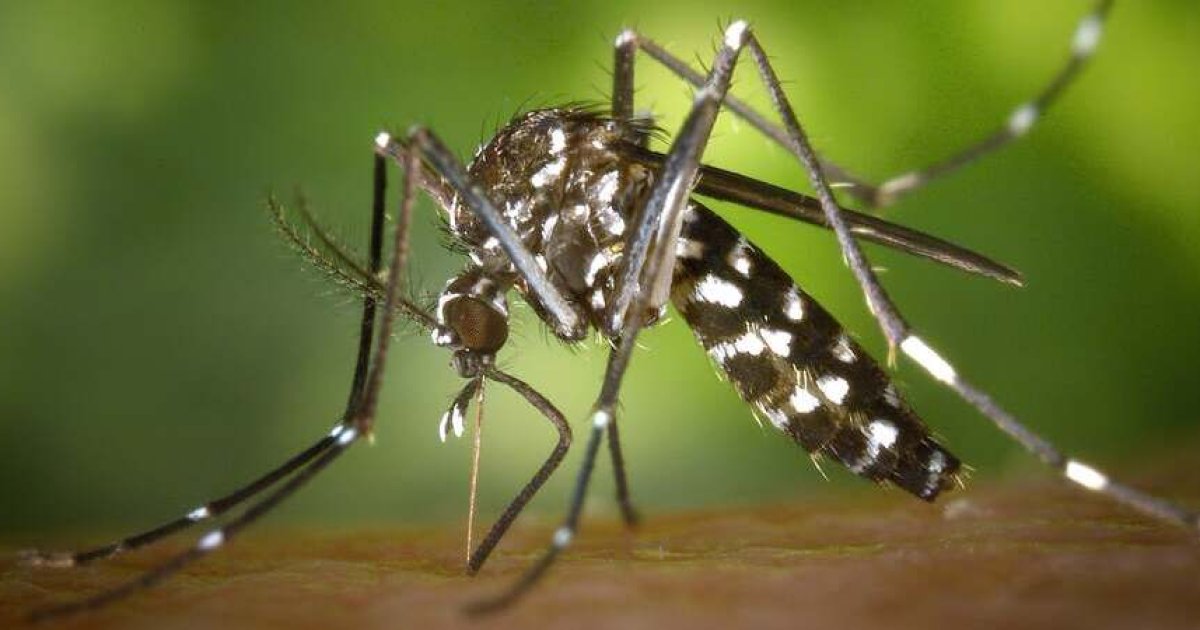
New Strategies to Combat Tiger Mosquitoes and Prevent Tropical Diseases
As the tiger mosquito (Aedes albopictus) continues its northward expansion across Europe, public health authorities are shifting from traditional chemical abatement—which faces increasing resistance and environmental scrutiny—toward biological control strategies. In a significant effort to mitigate the transmission of arboviral pathogens such as dengue, chikungunya, and Zika, municipalities in France are initiating large-scale releases of sterile male mosquitoes. This intervention represents a pivot toward precision epidemiology, targeting the reproductive cycle of the vector rather than relying solely on larvicidal applications.
Key Clinical Takeaways:
- Biological control utilizes sterile male mosquitoes to induce reproductive incompatibility, effectively suppressing local vector populations without the use of chemical pesticides.
- The strategy specifically targets the Aedes albopictus species, a known vector for dengue, chikungunya, and Zika, which are currently under heightened surveillance by national health agencies.
- Long-term population suppression requires sustained, high-volume releases, necessitating coordination between environmental health departments and local clinical infrastructure.
The Pathogenesis of Vector-Borne Expansion
The Aedes albopictus mosquito has demonstrated remarkable ecological plasticity, allowing it to colonize diverse urban environments across the European continent. From a clinical perspective, the primary concern remains the mosquito’s role as a competent vector for viral transmission. When a female mosquito bites an infected individual, the virus replicates within the vector before being transmitted to a susceptible human host. This cycle facilitates autochthonous transmission in regions previously considered non-endemic, complicating the diagnostic landscape for primary care physicians.

Physicians encountering patients with acute febrile illness, particularly during the summer and autumn months, must maintain a high index of suspicion for arboviral infections. Patients presenting with sudden onset of high fever, arthralgia, or rash should be evaluated through appropriate serological or molecular diagnostic pathways. For those requiring specialized assessment, connecting with board-certified infectious disease specialists is critical to ensure accurate differential diagnosis and timely public health reporting.
Biological Mechanism: The Sterile Insect Technique (SIT)
The strategy deployed in urban centers involves the mass release of male mosquitoes that have been rendered sterile. Because male mosquitoes do not bite, they pose no risk of disease transmission to humans. When these sterile males mate with wild-type females, the resulting eggs fail to develop, leading to a progressive reduction in the local population density. This method, often referred to as the Sterile Insect Technique (SIT), relies on the principles of population genetics to achieve sustainable suppression.
The efficacy of this approach is highly dependent on the ratio of sterile males to wild females. According to research on vector control strategies, the success of SIT in an urban setting requires precise timing and geographic distribution to ensure optimal mating success. Unlike chemical interventions, which may have off-target effects on local ecosystems, SIT provides a species-specific method of control that aligns with modern ecological health standards.
“The transition toward biological control reflects a broader movement in global health to address vector-borne diseases at their source. By manipulating the reproductive capacity of the vector, we move beyond reactive symptomatic management and toward a proactive reduction in the total viral transmission potential within a community.” — Senior Epidemiologist, Public Health Research Institute
Clinical Surveillance and Public Health Infrastructure
The ongoing surveillance directed by health authorities, such as the Direction générale de la santé, underscores the urgency of monitoring populations at risk for dengue and associated viruses. As these outbreaks remain a clinical reality, medical facilities must ensure their diagnostic capabilities are robust. Ensuring that laboratory protocols are aligned with the latest World Health Organization (WHO) guidelines regarding arboviral management is paramount for hospital administrators.

Healthcare providers should also consider the broader implications of vector density on patient outcomes. In areas where the tiger mosquito is endemic, the necessity for integrated pest management is not merely an environmental concern but a component of comprehensive public health safety. For medical facilities and clinics aiming to bolster their preparedness and ensure compliance with emerging health directives, consulting with healthcare compliance attorneys and facility management experts is an essential step in maintaining operational integrity during high-risk transmission periods.
Future Trajectories in Vector Control
The deployment of sterile mosquitoes represents a technological maturation in the field of medical entomology. As we observe the outcomes of these urban releases, the focus will likely shift to optimizing the scalability of this technology. Future longitudinal studies will be required to assess the long-term impact on viral incidence rates and the potential for secondary ecological adaptations. Maintaining a rigorous clinical standard, supported by evidence-based prevention and expert consultation, remains the most effective defense against the shifting burden of vector-borne disease.
For patients who are concerned about potential exposure or for practitioners seeking to refine their diagnostic approach to tropical or emergent viral diseases, engaging with the right professionals is the first step toward effective management. We encourage all health seekers to utilize our vetted network to identify qualified healthcare providers and specialists capable of navigating these complex clinical challenges.
Disclaimer: The information provided in this article is for educational and scientific communication purposes only and does not constitute medical advice. Always consult with a qualified healthcare provider regarding any medical condition, diagnosis, or treatment plan.