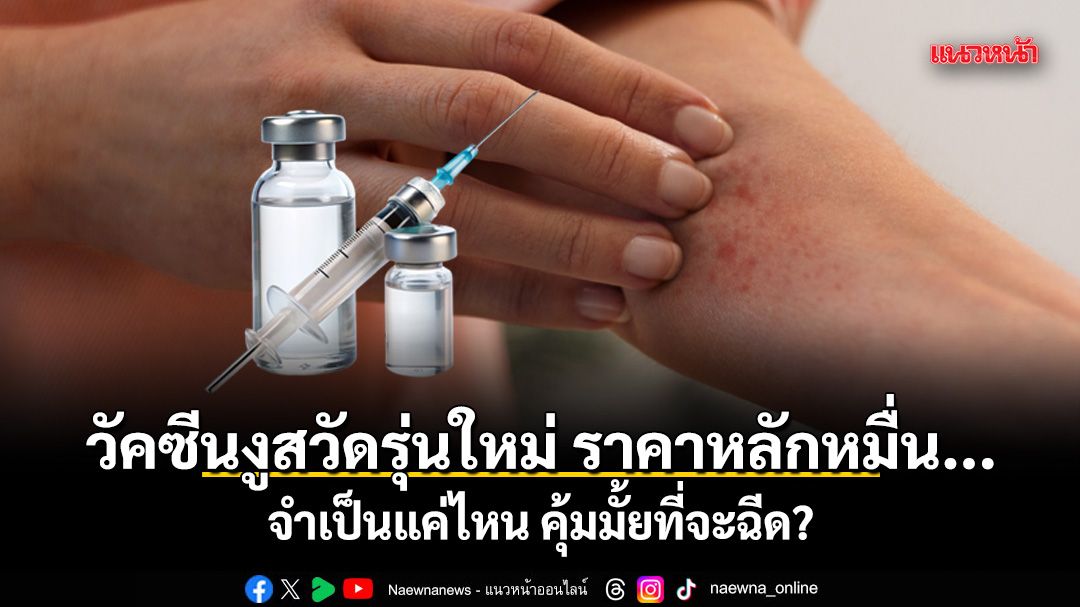
New Shingles Vaccine: Is the High Cost Worth It?
The introduction of high-efficacy recombinant zoster vaccines has fundamentally altered the clinical management of herpes zoster, or shingles. While the out-of-pocket cost for these immunization series remains significant—often reaching tens of thousands in local currency—public health data consistently demonstrates that the prevention of post-herpetic neuralgia and associated complications provides substantial long-term value compared to the morbidity costs of the disease.
- Shingrix utilizes a recombinant subunit technology, which provides a significantly higher immune response and longer-lasting protection compared to older, live-attenuated vaccine formulations.
- Clinical evidence indicates that the vaccine remains over 90% effective in preventing shingles across all age groups studied, significantly reducing the risk of chronic nerve pain.
- Medical consensus favors immunization for adults over 50, as the risk of viral reactivation increases with age-related immunosenescence, making prophylactic care a standard of care recommendation.
Biological Mechanism and Efficacy
Unlike traditional vaccines that may use weakened forms of a virus, the modern shingles vaccine is a recombinant, non-live formulation. It combines the varicella-zoster virus glycoprotein E with a proprietary adjuvant system, designed to bolster the body's cell-mediated immune response.
The pathogenesis of shingles begins with the reactivation of the latent varicella-zoster virus (VZV) residing in the dorsal root ganglia. As the immune system weakens—a process termed immunosenescence—the virus can replicate and travel along sensory nerve fibers to the skin, causing the characteristic painful rash. By stimulating a robust, targeted immune memory, the recombinant vaccine effectively suppresses this viral breakthrough. For patients concerned about their current immune status, consulting with specialists is the recommended step to determine if immunization is appropriate based on individual health history.
Evaluating the Cost-Benefit Ratio
The primary barrier to widespread adoption of the vaccine is the initial cost, which often reaches the tens of thousands in local currency. However, economic modeling in healthcare often distinguishes between immediate out-of-pocket expenses and long-term health expenditures. The incidence of post-herpetic neuralgia (PHN), a debilitating condition characterized by persistent, severe pain after the rash heals, is a primary driver of medical costs.

According to the Centers for Disease Control and Prevention (CDC), PHN can last for months or even years, requiring intensive pain management, physical therapy, and frequent clinical consultations. When factoring in the potential for these secondary complications, the cost of the two-dose vaccine series is generally viewed by public health authorities as a cost-effective intervention. It serves as a preventative measure that reduces the reliance on long-term pharmaceutical interventions for chronic pain.
Clinical Considerations for Immunization
Determining whether to proceed with the vaccine involves an assessment of contraindications and current medical status. While the vaccine is generally well-tolerated, common side effects include localized pain at the injection site, fatigue, and muscle aches, which typically resolve within 48 to 72 hours. These symptoms are indicative of an active immune response rather than an adverse clinical event.
It is critical for patients with underlying comorbidities, such as autoimmune conditions or those undergoing immunosuppressive therapy, to discuss the timing of the vaccine with their primary care provider. For those seeking clarity on their vaccination status or needing to manage potential drug interactions, connecting with clinical diagnostic centers ensures that the immunization is administered safely within a broader preventative health framework. Medical professionals emphasize that the goal is not merely to prevent a rash, but to avoid the severe, long-term neuro-inflammatory damage associated with the virus.
Future Trajectory of Zoster Prevention
As the global population continues to age, the demand for effective adult immunizations will likely grow, potentially influencing future procurement strategies and insurance coverage models. Pharmaceutical manufacturers and public health agencies are currently monitoring the long-term durability of the protection afforded by current recombinant vaccines to determine if booster doses will be required in the coming decade. Until standardized public health subsidies are expanded, patients are encouraged to prioritize preventive care as a foundational component of healthy aging.
Engaging with healthcare providers who specialize in geriatric medicine or preventive care remains the most reliable method for navigating the complexities of vaccination schedules. By maintaining a proactive dialogue with clinical experts, patients can make informed decisions that mitigate the risks of shingles and its associated morbidity.
Disclaimer: The information provided in this article is for educational and scientific communication purposes only and does not constitute medical advice. Always consult with a qualified healthcare provider regarding any medical condition, diagnosis, or treatment plan.