New Shanghai Academy of Sciences Drug Could Revolutionize Treatment
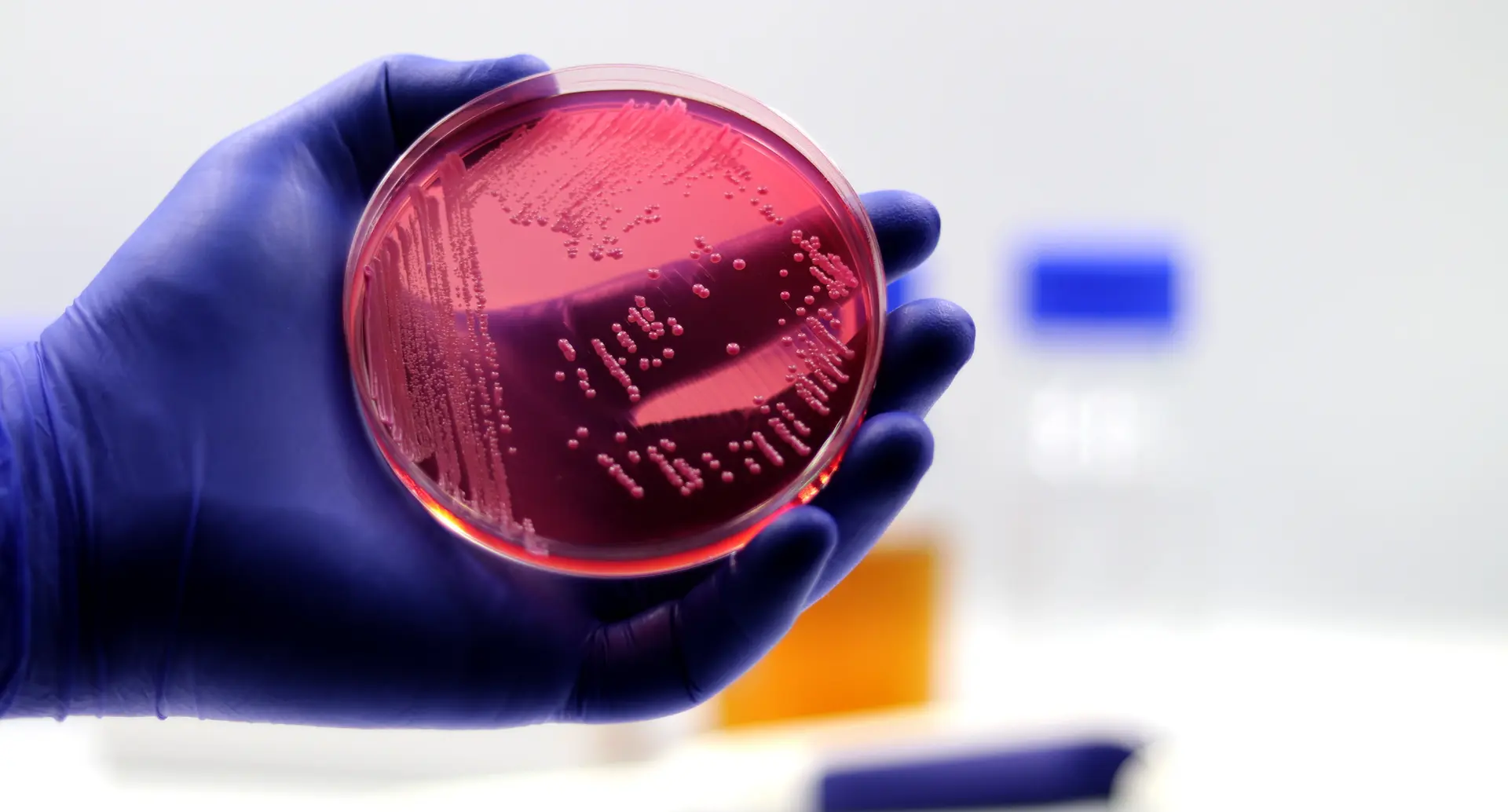
Researchers at the Shanghai Institute of Organic Chemistry, part of the Chinese Academy of Sciences, have engineered a “smart” probiotic capable of regulating blood glucose levels in response to fluctuating sugar concentrations. The study, recently published in the peer-reviewed journal Science, details a synthetic biology approach that modifies the commensal bacterium Escherichia coli Nissle 1917 to secrete glucagon-like peptide-1 (GLP-1) only when triggered by high ambient glucose levels.
Key Clinical Takeaways:
- The engineered probiotic acts as a biological sensor, producing therapeutic GLP-1 only when local glucose concentrations exceed a specific threshold.
- In murine models, the treatment demonstrated a reduction in fasting blood glucose and improved glucose tolerance over a 28-day observation period.
- The innovation aims to bypass the systemic side effects often associated with exogenous, constant-release GLP-1 receptor agonists used in current diabetes management.
Biological Mechanism and Synthetic Circuitry
The core of this innovation lies in a synthetic genetic circuit integrated into the E. coli genome. According to the data published in Science, the researchers utilized a glucose-responsive promoter system that remains dormant under homeostatic conditions. When blood sugar levels rise—simulating the postprandial state—the bacterium activates the expression of a GLP-1 variant. This “on-demand” secretion mimics the body’s natural incretin response, which is often impaired in patients with Type 2 diabetes mellitus.
This localized production minimizes the risk of hyperinsulinemia, a frequent complication when traditional pharmacotherapies provide continuous hormonal stimulation. By confining the metabolic burden to the gut environment, the therapy leverages the existing enteroendocrine axis to signal the pancreas, potentially reducing the systemic toxicity profile compared to conventional injectable therapies.
Clinical Implications and Research Context
The current standard of care for glycemic control involves exogenous insulin or GLP-1 receptor agonists, such as semaglutide or liraglutide, which require strict adherence to dosing schedules and carry risks of gastrointestinal distress. The Shanghai team’s approach moves toward “living medicine,” where the therapeutic intervention resides within the host microbiome.
While the results in rodent models are promising, the transition to human clinical trials faces significant regulatory hurdles regarding long-term colonization stability and the potential for horizontal gene transfer. “The challenge with living therapeutics is ensuring that the engineered strain remains stable within the complex ecosystem of the human gut without losing its engineered functionality over time,” notes Dr. Elena Rossi, an independent investigator in metabolic synthetic biology. For patients currently struggling with glycemic instability despite conventional interventions, consulting with a board-certified endocrinologist remains the primary path to managing complex metabolic profiles while new therapeutic modalities undergo rigorous safety testing.
Funding and Translational Development
This research was funded by the National Natural Science Foundation of China and the Chinese Academy of Sciences. The development of such precision-engineered probiotics highlights a broader trend in biotechnology toward internalizing drug delivery systems. As the field moves toward Phase I safety trials, pharmaceutical developers are increasingly engaging healthcare compliance attorneys to address the regulatory framework surrounding genetically modified microorganisms used as active pharmaceutical ingredients (APIs).
The efficacy of this probiotic in human subjects will depend on its ability to survive the acidic environment of the stomach and establish a niche in the small intestine, where nutrient absorption is most active. Current longitudinal data suggest that the engineered strain does not permanently displace commensal flora, a critical factor in maintaining microbiome homeostasis. Prospective candidates for future clinical trials will likely require careful screening by diagnostic specialty centers to ensure baseline metabolic parameters are suitable for testing novel biologic delivery systems.
Future Trajectory of Living Therapeutics
The integration of synthetic biology into clinical practice represents a shift from static molecular medicine to dynamic, responsive therapeutic systems. If human trials confirm the efficacy observed in preclinical models, this technology could provide a long-term, low-maintenance solution for chronic metabolic diseases. However, the path to clinical adoption requires extensive validation of the “kill-switch” mechanisms—safety protocols designed to eliminate the engineered bacteria should the treatment need to be halted immediately.
Advancements in this space underscore the importance of precision medicine. As these therapies mature, the role of specialized clinicians in monitoring the interplay between synthetic microbes and host physiology will become increasingly vital. Patients and providers should continue to monitor updates from the FDA and EMA regarding the classification and safety standards for living, programmable drugs.
Disclaimer: The information provided in this article is for educational and scientific communication purposes only and does not constitute medical advice. Always consult with a qualified healthcare provider regarding any medical condition, diagnosis, or treatment plan.