
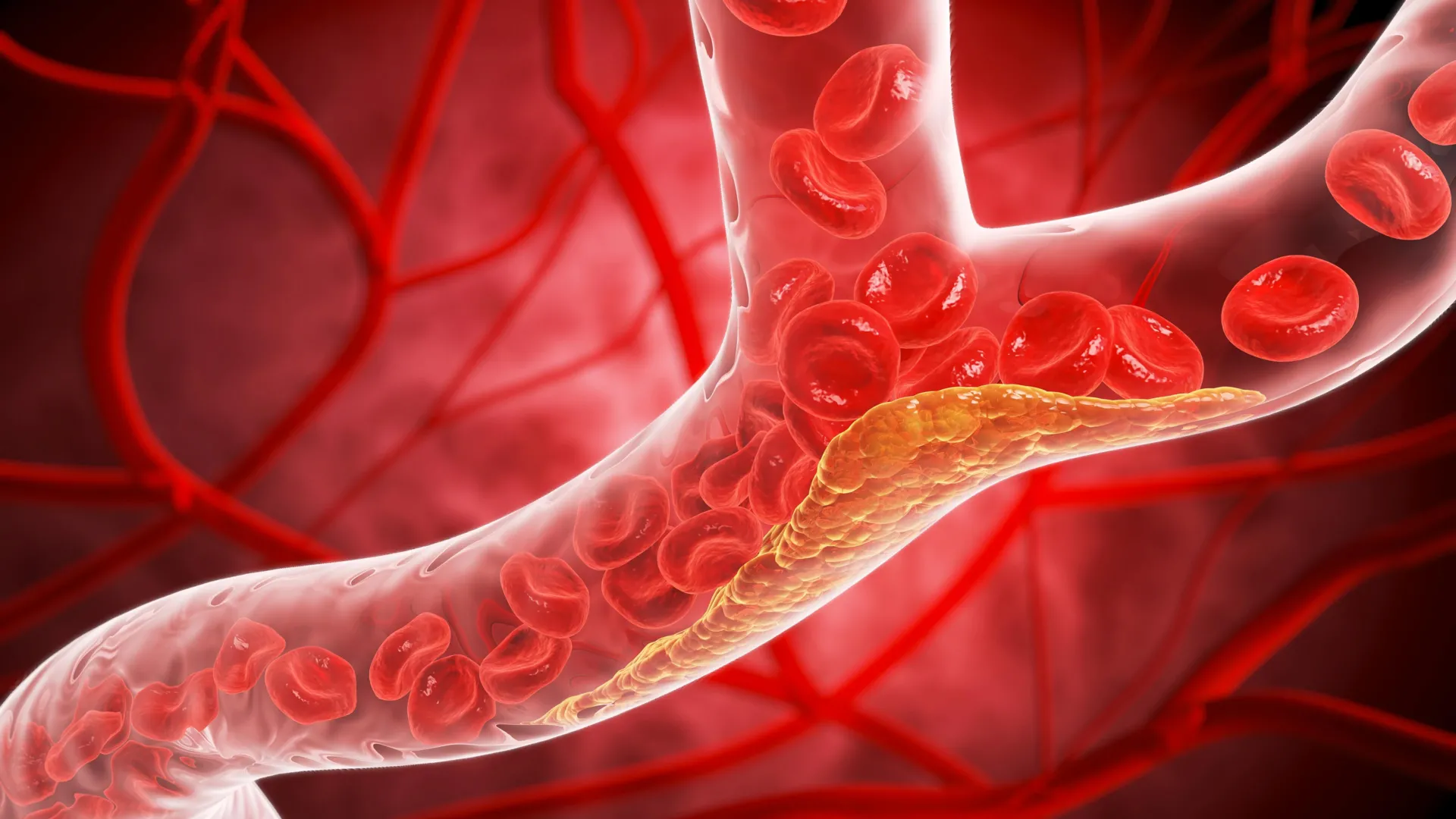
New Pill Cuts “Bad” Cholesterol by 60% in Major Trial | Heart Health Breakthrough
A fresh experimental pill, enlicitide, has demonstrated a significant reduction in “awful” cholesterol levels, potentially offering a new treatment option for millions at risk of heart disease and stroke. A phase three clinical trial, published in The New England Journal of Medicine, showed the drug lowered low-density lipoprotein (LDL) cholesterol by as much as 60%.
The findings offer a promising alternative to existing treatments, particularly for individuals who struggle to reach recommended cholesterol targets even while taking statins, the most commonly prescribed cholesterol-lowering medication. Currently, fewer than half of patients with established atherosclerotic cardiovascular disease achieve optimal LDL levels, according to researchers.
“An oral therapy this effective has the potential to dramatically improve our ability to prevent heart attacks and strokes on a population level,” said Ann Marie Navar, M.D., Ph.D., a cardiologist and Associate Professor of Internal Medicine at UT Southwestern Medical Center, who led the study. The trial was sponsored by pharmaceutical company Merck & Co. Inc.
The development of enlicitide builds upon decades of research into cholesterol metabolism. In 1985, Michael Brown and Joseph Goldstein, researchers at UT Southwestern, were awarded the Nobel Prize in Physiology or Medicine for identifying the LDL receptor on liver cells, a crucial component in removing LDL cholesterol from the bloodstream. This discovery paved the way for the development of statins.
Further research at UT Southwestern, led by Helen Hobbs and Jonathan Cohen, revealed that genetic variations affecting the PCSK9 protein could naturally lower LDL cholesterol levels. PCSK9 limits the number of LDL receptors on liver cells, hindering the body’s ability to clear cholesterol. This insight led to the creation of injectable PCSK9 inhibitors, which can also lower LDL cholesterol by approximately 60%.
While highly effective, current PCSK9 inhibitors are administered via injection, which presents a barrier to widespread adoption. Dr. Navar noted that cost and insurance coverage have also historically limited access to these treatments, though those issues have seen some improvement. Enlicitide, by offering an oral alternative, aims to overcome this hurdle.
Enlicitide works by targeting the PCSK9 pathway, similar to the injectable drugs, but in a more convenient form. The pill attaches to the PCSK9 protein in the bloodstream, enhancing the body’s natural cholesterol-clearing process.
The phase three trial involved 2,909 participants with existing atherosclerosis or at high risk for developing it. Approximately two-thirds of participants received enlicitide, while the remaining group received a placebo. The average LDL cholesterol level of participants at the start of the trial was 96 milligrams per deciliter (mg/dl), exceeding the recommended targets of 70 mg/dl for those with atherosclerosis and 55 mg/dl for those at risk.
After 24 weeks, patients taking enlicitide experienced an average LDL cholesterol reduction of about 60% compared to the placebo group. The drug also demonstrated improvements in other cardiovascular risk markers, including non-HDL lipoprotein cholesterol, apolipoprotein B, and lipoprotein(a). These benefits were sustained throughout a year of follow-up.
“These reductions in LDL cholesterol are the most we have ever achieved with an oral drug by far since the development of statins,” Dr. Navar stated.
Researchers are currently conducting another clinical trial to assess whether the observed cholesterol reductions translate into a decreased incidence of heart attacks and strokes. The results of that trial are anticipated to provide further insight into the clinical benefits of enlicitide.