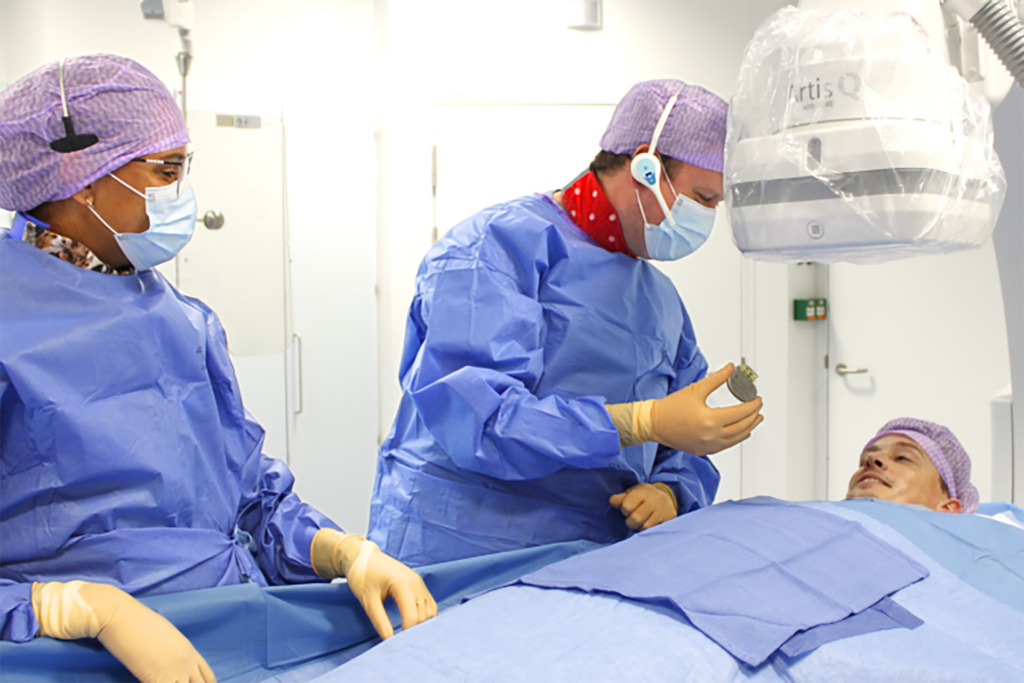
New Pacemaker Treatment Now Available at SJG Weert
SJG Weert has officially integrated a newly refined pacemaker treatment modality into its cardiology department, expanding advanced cardiac care options for regional patients diagnosed with bradycardia and conduction system disorders. The medical center rolled out the specialized procedure to address specific hemodynamic inefficiencies associated with traditional pacing techniques, offering an alternative that preserves natural ventricular activation.
Key Clinical Takeaways:
- SJG Weert has launched an advanced pacemaker implantation technique aimed at improving physiological pacing and long-term cardiac output.
- The procedure targets patients suffering from symptomatic bradycardia by optimizing electrical synchrony within the heart chambers.
- Clinical protocols for the rollout align with current European Society of Cardiology guidelines on cardiac pacing and resynchronization therapy.
Traditional single-chamber and dual-chamber pacemakers often stimulate the right ventricular apex, a method that can induce dyssynchrony and increase the long-term risk of pacing-induced cardiomyopathy. The new pacing approach utilized at SJG Weert focuses on physiological or conduction system pacing, capturing the heart’s native conduction pathways—specifically the bundle of His or the left bundle branch. By engaging the endogenous conduction system directly, the device maintains synchronous contraction between the left and right ventricles, reducing structural remodeling and lowering heart failure morbidity rates over time, according to clinical data published in the National Institutes of Health library.
Clinical Indications and Patient Selection at SJG Weert
Candidates for the new pacemaker treatment at SJG Weert undergo comprehensive pre-procedural diagnostics, including electrocardiograms, echocardiography, and electrophysiological testing. Physicians evaluate the specific pathophysiology of each patient’s conduction disturbance to determine whether physiological pacing offers a superior hemodynamic profile compared to standard apical pacing. Patients presenting with high-grade atrioventricular block or sinus node dysfunction who meet specific ejection fraction criteria are typically prioritized for this specialized intervention.
Managing complex cardiac device therapies requires access to specialized diagnostic networks and diagnostic imaging centers. For patients requiring thorough pre-implantation evaluations or post-operative monitoring, consulting with vetted [Relevant Clinic/Professional/Service]` ensures comprehensive long-term management of device parameters and lead integrity.
Procedural Implementation and Technical Execution
The implantation procedure requires advanced electrophysiological expertise and specialized delivery catheters to accurately position the pacing lead within the narrow confines of the conduction system. Implanters use fluoroscopic guidance and real-time electrical signal mapping to confirm capture of the specialized conduction fibers before securing the lead. This precision-driven deployment minimizes procedural complications such as lead dislodgement or elevated pacing thresholds.
Healthcare facilities adopting these advanced interventional procedures often rely on specialized clinical supply chains and regulatory compliance structures. To support the safe integration of novel device technologies, medical administrators frequently coordinate with [Relevant Clinic/Professional/Service]` to navigate procurement standards and ensure adherence to regional clinical guidelines.
As device technology continues to evolve, the integration of physiological pacing into community hospital settings like SJG Weert bridges the gap between tertiary-care innovations and local patient accessibility. Future clinical trials focusing on battery longevity and remote monitoring algorithms will further refine these therapeutic protocols, ensuring optimal clinical outcomes for individuals requiring permanent cardiac pacing support. Patients and referring physicians seeking specialized cardiology evaluations can connect with experienced practitioners through the [Relevant Clinic/Professional/Service]` directory.
Disclaimer: The information provided in this article is for educational and scientific communication purposes only and does not constitute medical advice. Always consult with a qualified healthcare provider regarding any medical condition, diagnosis, or treatment plan.