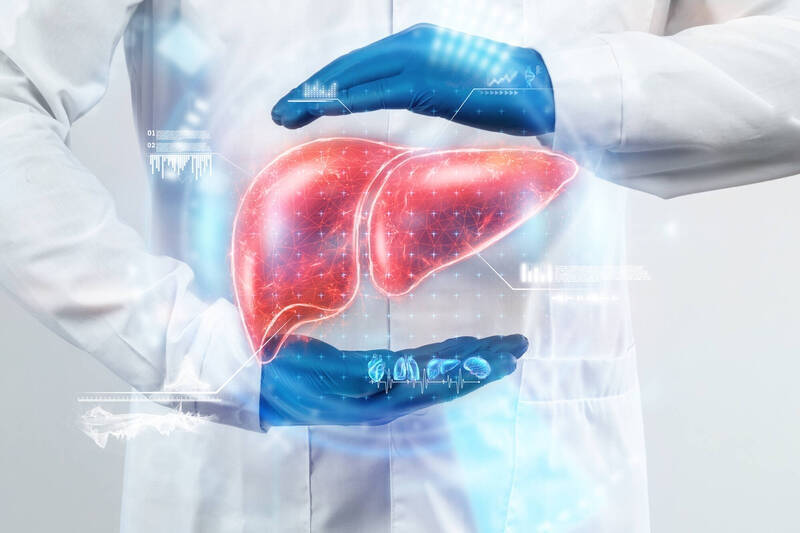
New Hope for Liver Transplants: Scientists Successfully Grow Mini Liver Organs
Scientists have successfully developed “mini-livers” using organoid technology that can survive and function within a living body, according to a report from Liberty Health Network. This breakthrough in regenerative medicine aims to address the critical shortage of donor organs by creating functional hepatic tissue from stem cells, potentially reducing the morbidity associated with long-term transplant waitlists.
- Key Clinical Takeaways:
- Mini-livers (organoids) developed from stem cells have demonstrated the ability to integrate and survive in vivo.
- The technology targets the clinical gap in organ availability and the risks of chronic graft rejection.
- Current research focuses on scaling these tissues to provide full metabolic support for patients with end-stage liver disease.
The current standard of care for end-stage liver disease remains the orthotopic liver transplant, yet the pathogenesis of liver failure often outpaces the availability of compatible donors. This disparity creates a high-risk environment for patients, where the only alternative is palliative care or high-dose immunosuppression that carries significant contraindications. The development of bioengineered hepatic organoids represents a shift toward personalized regenerative medicine, utilizing a patient’s own cells to eliminate the risk of immune rejection.
How do stem-cell derived mini-livers function in the body?
The process involves the differentiation of pluripotent stem cells into hepatocyte-like cells, which are then organized into three-dimensional structures called organoids. According to the research highlighted by Liberty Health Network, these mini-livers are designed to mimic the complex architecture of the human liver, including the biliary system and vascular integration. Once implanted, these organoids must establish blood flow to perform essential metabolic functions, such as albumin production and detoxification of ammonia.

This research builds upon foundational work in organoid technology published in journals such as Nature and PubMed, which have detailed the ability of stem cells to reorganize into functional tissues. By replicating the liver’s microenvironment, researchers are attempting to bypass the need for a full-sized donor organ by providing “bridge” therapy or supplemental metabolic support.
For patients currently managing advanced cirrhosis or acute liver failure, the transition from traditional management to regenerative options requires precise diagnostic staging. It is highly recommended to consult with [Relevant Hepatology Specialist/Clinic] to determine if a patient’s current clinical profile aligns with emerging regenerative trial criteria.
What are the clinical trial outcomes and funding sources?
The development of these mini-livers has progressed through rigorous preclinical stages, moving from in vitro validation to in vivo animal models. While the Liberty Health Network report confirms survival within the body, the transition to human Phase I trials focuses on safety and the avoidance of teratoma formation—a known risk when using pluripotent stem cells. The study’s funding typically stems from a combination of governmental health grants and university-led biotechnology initiatives aimed at reducing the global burden of organ failure.

| Development Stage | Primary Objective | Current Status |
|---|---|---|
| In Vitro (Lab) | Cellular differentiation & polarity | Completed |
| In Vivo (Animal) | Vascularization & survival | Successful/Ongoing |
| Human Clinical Trials | Safety, toxicity, & metabolic efficacy | Early Phase/Planning |
The biological mechanism of action relies on the organoids’ ability to secrete essential proteins and process toxins, effectively acting as a biological filter. However, the scaling of these “mini” organs to a size capable of supporting a full adult human remains a primary regulatory and engineering hurdle. This necessitates a multidisciplinary approach involving bioengineers and surgeons.
Why does this matter for the future of transplant surgery?
The ability to cultivate patient-specific liver tissue fundamentally alters the risk-benefit analysis of liver transplantation. Currently, the morbidity associated with lifelong immunosuppressant therapy—including opportunistic infections and renal failure—is a significant deterrent. Bioengineered organs, derived from the patient’s own genetic material, would theoretically render these drugs unnecessary.
Beyond the patient, this technology impacts the B2B medical supply chain. The shift toward lab-grown tissues requires a new infrastructure for sterile cell processing and specialized transport. Pharmaceutical distributors and biotech firms are increasingly partnering with [Relevant Healthcare Compliance Attorney/Consultancy] to ensure that these new cellular therapies meet the stringent guidelines set by the FDA and EMA regarding Good Manufacturing Practice (GMP).
The integration of these organoids also opens the door for “bridge-to-transplant” therapies. Instead of waiting for a deceased donor, a patient could receive an implanted mini-liver to stabilize their metabolic state, significantly increasing their survival probability during the waiting period.
What are the remaining hurdles to widespread adoption?
Despite the success of in vivo survival, two major gaps remain: vascularization and scale. A mini-liver must be integrated into the host’s circulatory system to receive oxygen and nutrients; without a robust network of capillaries, the center of the organoid undergoes necrosis. Furthermore, the total mass of functional hepatocytes must reach a critical threshold to prevent hepatic encephalopathy and other systemic failures.

The scientific community continues to monitor the longitudinal stability of these implants. As these technologies move toward clinical application, patients will need comprehensive screenings to ensure there are no underlying contraindications to stem-cell therapy. Those seeking the latest in diagnostic imaging for liver health should engage with [Relevant Diagnostic Imaging Center] to ensure precise baseline mapping of hepatic function.
The trajectory of this research suggests a future where organ failure is treated as a manageable condition rather than a terminal diagnosis. As the field moves from proof-of-concept to standardized clinical application, the focus will shift toward the scalability of bioreactors and the long-term viability of the implanted tissue. For those navigating the complexities of chronic liver disease, staying connected with vetted, board-certified transplant surgeons and regenerative medicine specialists is essential for accessing these emerging therapies.
Disclaimer: The information provided in this article is for educational and scientific communication purposes only and does not constitute medical advice. Always consult with a qualified healthcare provider regarding any medical condition, diagnosis, or treatment plan.