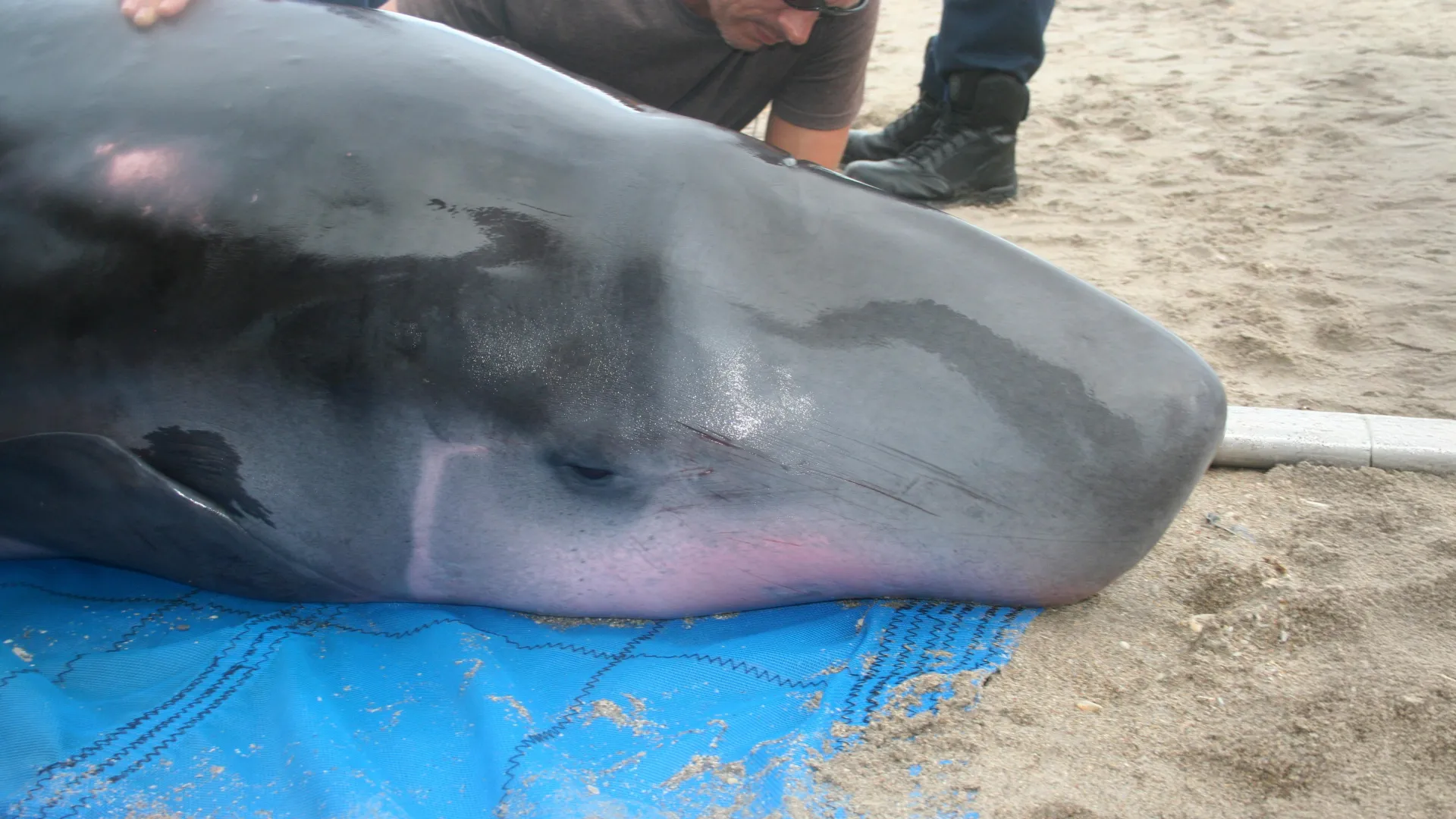
New Helicobacter Bacteria Discovered in Pygmy Sperm Whales
Scientists analyzing decades of marine mammal stranding records have identified three previously unknown types of Helicobacter bacteria residing in the stomachs of pygmy sperm whales. According to the peer-reviewed findings, all four infected whales examined in the analysis exhibited severe gastrointestinal pathology, encompassing active inflammation, tissue ulceration, extensive scarring, and heavy parasite infestations.
- All infected specimens displayed advanced clinical signs of gastrointestinal morbidity, including ulcers and mucosal inflammation.
- While gastric lesions were severe, pathologists stopped short of confirming the bacteria as the definitive cause of mortality.
Uncovering Novel Pathogens in Elusive Marine Species
Evaluating Gastrointestinal Pathology and Clinical Manifestations
Pathological examinations documented chronic inflammation of the gastric lining alongside deep ulcerations and structural scarring. Co-occurring parasite infestations complicated the clinical picture, raising critical questions regarding synergistic morbidity. Investigators noted that while the tissue damage was extensive, direct causality connecting the novel bacterial variants to mortality cannot be definitively established without controlled replication studies or broader epidemiological surveys.
Future Directions in Marine Wildlife Epidemiology
*Disclaimer: The information provided in this article is for educational and scientific communication purposes only and does not constitute medical advice. Always consult with a qualified healthcare provider regarding any medical condition, diagnosis, or treatment plan.*