New EU Biometric Border Controls Cause Massive Airport Delays
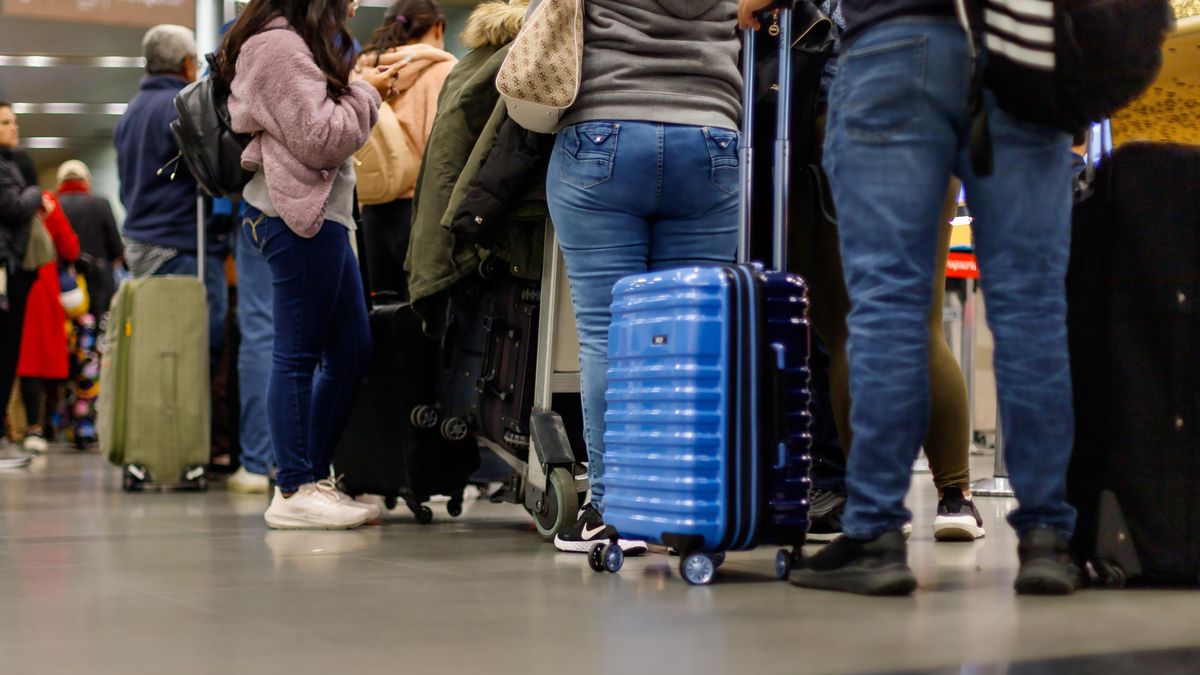
New European Union biometric border checks have doubled wait times at major airports, with some passengers facing up to five hours in queues during the peak summer season. The Entry/Exit System (EES), which requires facial scans and fingerprinting for non-EU citizens, is currently straining airport infrastructure and causing significant flight delays.
The Operational Bottleneck at Schengen Borders
The transition from manual passport stamping to the digital EES framework has created a systemic friction point for international travel. While the European Commission maintains that the system is “fully functional and working well,” the reality on the ground—particularly during the high-traffic months of July and August—tells a different story. According to reporting by ekonomickydenik.cz, an influx of 40 million additional passengers compared to the previous two-month period has pushed biometric registration capacity to its breaking point.
The system, which became fully functional on April 10, requires non-EU nationals to provide biometric data upon their first entry into the Schengen zone. Although the process adds only a few minutes per individual, the aggregate impact at high-volume hubs has been significant. Reports indicate that passengers are frequently missing connecting flights, with airlines now reporting that planes often fly with empty seats as travelers remain trapped in passport control queues.
Macroeconomic Consequences for Global Travel
The current gridlock is not merely a logistical inconvenience; it represents a threat to the tourism economy. A survey conducted by the World Travel and Tourism Council (WTTC) among more than 2,500 travelers from the UK, US, Canada, and Australia revealed that approximately one-third of respondents would avoid the Schengen area if multi-hour queues become the standard experience.

The Conflict Between Brussels and the Aviation Sector
The tension between the European Commission and the aviation industry has reached a critical threshold. Three airline associations have formally warned the European executive that the current system is nearing total collapse. They are calling for an immediate suspension of biometric checks for the remainder of the summer holiday period to prevent further chaos.
In response to the mounting pressure, the European Commission has deflected blame back onto the airlines. Commission spokesperson Markus Lammert suggested that delays are primarily caused by carriers clustering arrivals in the same time slots, rather than inherent flaws in the EES. However, industry representatives argue that flight schedules are finalized more than a year in advance, making such rapid adjustments impossible. This dispute has left passengers—such as the family described by ekonomickydenik.cz who spent an additional thousand pounds to rebook a flight after missing their connection at Milan Linate—to bear the financial brunt of the policy implementation.
Navigating Regulatory Compliance and Infrastructure Limits
The “flexibility” currently granted to national border authorities to suspend biometric checks to ease congestion is set to expire at the beginning of September.

The European Union has positioned the EES as a security imperative. Yet, as the summer season progresses, the gap between the intended security outcomes and the logistical reality remains wide. The long-term stability of the Schengen travel zone now depends on whether the Commission can balance its security architecture with the necessity of fluid international transit.