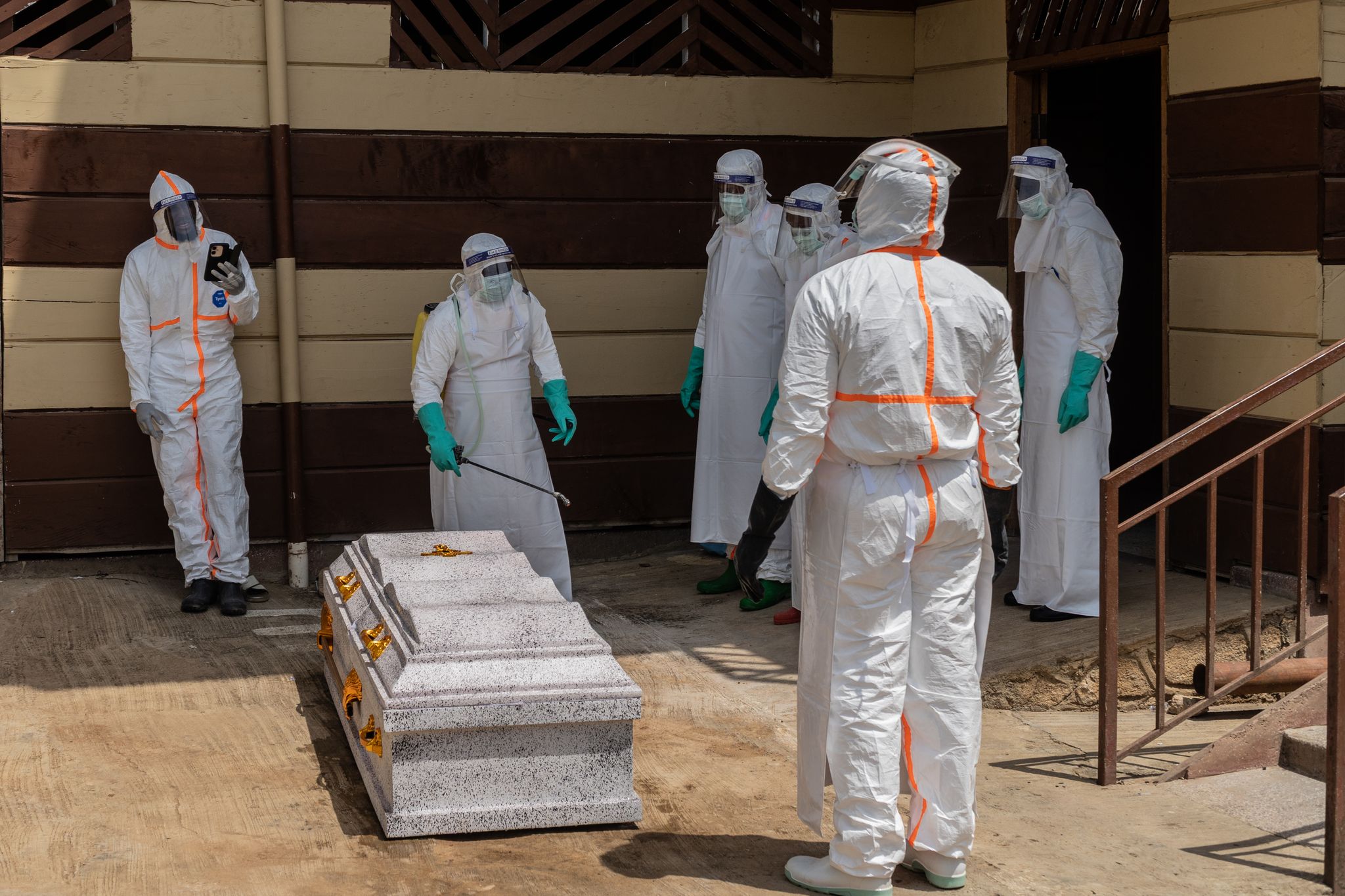
New Ebola Outbreak Caused by Bundibugyo Virus Lacks Approved Vaccines and Treatments
The Ebola virus outbreak in the Democratic Republic of the Congo has reached 782 confirmed cases with a mortality count of 181, according to recent epidemiological surveillance reports. The current surge is primarily driven by the Bundibugyo ebolavirus, a strain that presents unique clinical challenges due to the current absence of FDA-approved vaccines or targeted antiviral therapeutics specifically indicated for this variant.
Key Clinical Takeaways:
- The current outbreak involves the Bundibugyo strain, which lacks the specific immunoprophylactic and therapeutic options available for the more common Zaire ebolavirus.
- Clinical management remains focused on supportive care, including aggressive fluid resuscitation and electrolyte stabilization, to mitigate the risk of hypovolemic shock.
- Healthcare infrastructure in affected regions is facing critical strain, necessitating immediate logistical support and specialized infectious disease management.
Epidemiological Characteristics of the Bundibugyo Strain
The Bundibugyo ebolavirus, first identified in 2007, represents a distinct phylogenetic lineage within the Ebolavirus genus. Unlike the Zaire ebolavirus, which has been the subject of intensive clinical trials resulting in the rVSV-ZEBOV vaccine, the Bundibugyo variant lacks a robust, standardized immunologic defense. According to data from the World Health Organization (WHO), the pathogenesis of this strain involves rapid viral replication that induces a profound systemic inflammatory response, often leading to multi-organ failure if not managed early.

“The limited availability of cross-reactive therapeutics for non-Zaire strains creates a significant gap in our global biosecurity framework. We are effectively managing the current mortality rate through rigorous supportive protocols while we wait for broader-spectrum antivirals to move through clinical pipelines,” notes Dr. Julian Halloway, an infectious disease epidemiologist specializing in filoviruses.
Clinical Management and Supportive Care Protocols
In the absence of a specific curative agent, the standard of care relies on early intervention. Clinical teams are prioritizing hemodynamic monitoring to prevent systemic vascular collapse. Patients presenting with early-stage symptoms—often characterized by acute febrile illness, asthenia, and gastrointestinal distress—require rapid isolation and diagnostic confirmation via reverse transcription polymerase chain reaction (RT-PCR) testing. For facilities attempting to optimize their response, engaging with board-certified infectious disease specialists is essential to ensure that triage protocols align with the latest international biosafety standards.

Comparative Analysis: Zaire vs. Bundibugyo
While the Zaire strain has benefited from significant international funding and vaccine development—notably the Merck-developed Ervebo vaccine—the Bundibugyo strain remains under-researched in terms of specific prophylactic development. The following table highlights the current disparity in clinical preparedness:
| Feature | Zaire Ebolavirus | Bundibugyo Ebolavirus |
|---|---|---|
| Vaccine Availability | Approved (rVSV-ZEBOV) | None |
| Primary Intervention | Vaccination + Supportive Care | Supportive Care Only |
| Clinical Trial Status | Phase IV Monitoring | Pre-clinical / Early Research |
The Role of Infrastructure and Diagnostic Accuracy
The containment of this outbreak is contingent upon the accuracy of diagnostic testing and the efficiency of the cold chain for medical supplies. In regions where laboratory resources are sparse, diagnostic delays contribute to higher transmission rates. Healthcare organizations and NGOs operating in high-risk zones are increasingly relying on accredited diagnostic laboratories to ensure that rapid testing results are relayed to clinical units within hours, not days. This reduction in the “time-to-result” interval is the primary variable in preventing further transmission within the community.
Future Trajectory for Viral Research
The scientific community is currently evaluating broad-spectrum antiviral candidates that target conserved regions of the viral polymerase, which could potentially offer protection against multiple ebolavirus species. These initiatives are largely funded by global health grants, including support from the National Institutes of Health (NIH) and international consortiums like the Coalition for Epidemic Preparedness Innovations (CEPI). As research progresses, the integration of private-sector supply chain management remains a critical bottleneck. Institutions looking to bolster their pandemic response capabilities are encouraged to consult with healthcare compliance attorneys to navigate the complex regulatory environment surrounding experimental therapeutic deployment and international medical procurement.
Disclaimer: The information provided in this article is for educational and scientific communication purposes only and does not constitute medical advice. Always consult with a qualified healthcare provider regarding any medical condition, diagnosis, or treatment plan.