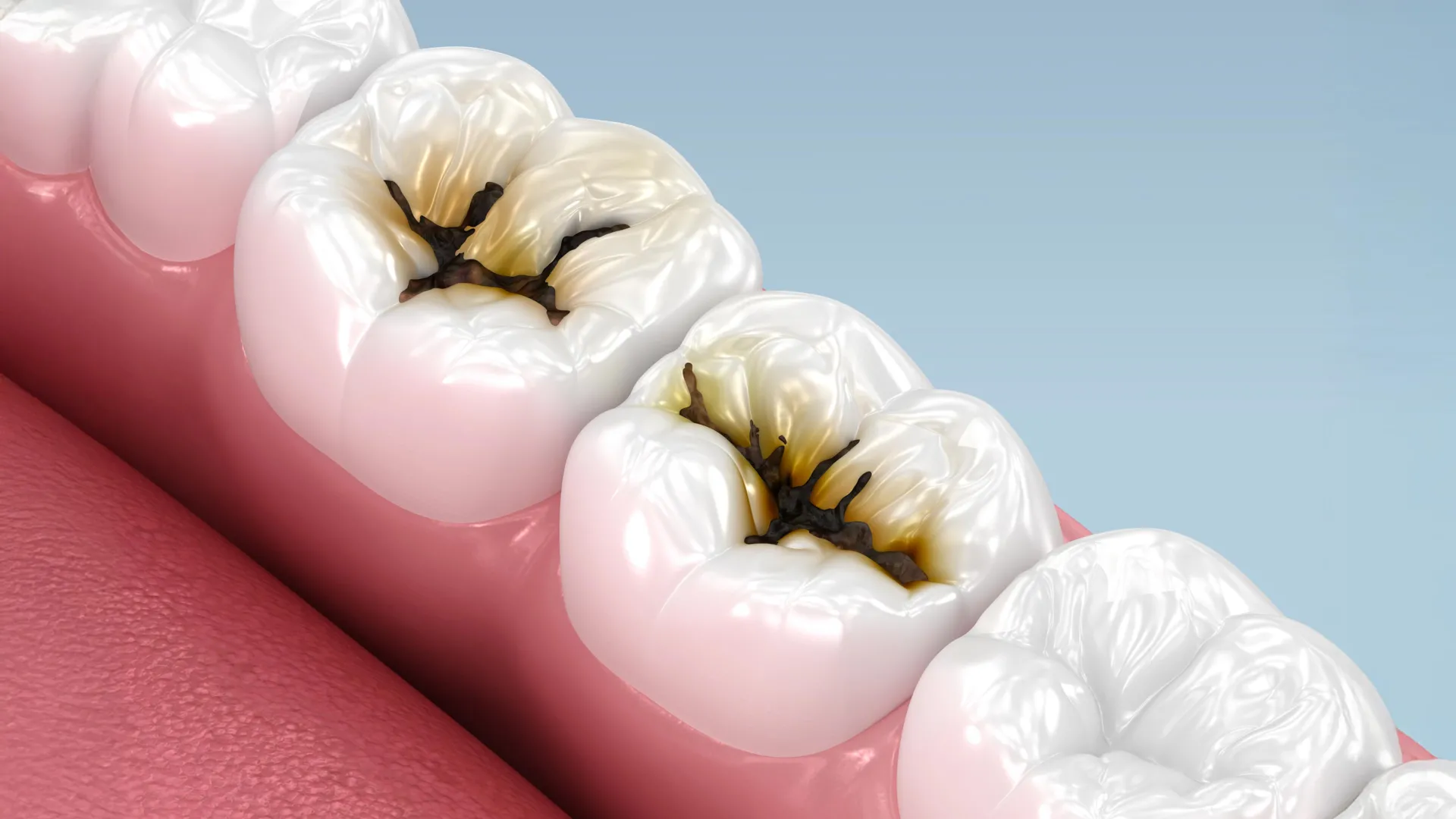
New Clinical Trial Confirms Liquid Treatment Stops Childhood Cavities Without Drilling
More than 40 percent of American children experience tooth decay, making it the most common chronic disease among children, according to findings published in JAMA Pediatrics. A major Phase III clinical trial confirms that a simple, inexpensive liquid applied in seconds can stop tooth decay in young children without drills, injections, or dental surgery.
Key Clinical Takeaways:
- A Phase III clinical trial of 830 children under age 6 shows that 38 percent silver diamine fluoride (SDF) successfully arrests tooth decay in more than half of affected baby teeth.
- The treatment takes seconds to apply using a small sponge-tipped applicator, requiring no drilling, injections, or sedation.
- Funded by a more than $12 million grant from the National Institute of Dental and Craniofacial Research, the study provides the U.S. clinical data necessary to support potential FDA approval as a drug for treating dental caries.
Phase III Trial Results for Silver Diamine Fluoride
The clinical trial evaluated 830 children younger than 6 years old, recruited through pediatric medical practices, dental clinics, and Head Start or Early Head Start programs across Michigan, New York, and Iowa. Administered at six-month intervals, a solution containing 38 percent silver diamine fluoride successfully stopped decay from progressing in more than half of the treated baby teeth. Margherita Fontana, professor of dentistry at the University of Michigan School of Dentistry and lead investigator of the study, stated that the treatment is very effective and safe even for children as young as 1.
Addressing Untreated Childhood Dental Pain
Untreated cavities frequently lead to severe toothaches, infections, problems eating and sleeping, and missed school days. Thousands of young children visit emergency departments annually due to untreated cavities, where physicians often cannot provide the dental procedures needed to address the underlying problem. Conventional dental treatment for very young children typically involves behavioral challenges, anxiety, or the need for dental surgery under general anesthesia. By stopping decay progression quickly and non-invasively, silver diamine fluoride offers an alternative for patients who struggle with traditional dental visits, including older adults, individuals with physical or developmental disabilities, and those experiencing severe dental anxiety.
Silver Diamine Fluoride Causes Permanent Tooth Discoloration
The primary drawback of silver diamine fluoride is permanent cosmetic discoloration, as it turns the decayed portion of a treated tooth dark. Although dentists in various countries have used silver diamine fluoride for decades, the U.S. Food and Drug Administration approved the substance as a medical device for treating tooth sensitivity in 2014. Clinicians currently apply the product off-label to stop cavities, meaning an authorized product is used for a purpose beyond its original approved indication. Amr Moursi, a professor of pediatric dentistry at New York University College of Dentistry and co-principal investigator, noted that removing SDF from off-label status could enhance insurer payments, increase provider utilization, and ensure more consistent product quality.
Research Suggests Integrating Procedures into Pediatric Medical Settings
The research initiative began in 2018, maintaining operations through pandemic-related disruptions with funding from the National Institute of Dental and Craniofacial Research, part of the National Institutes of Health. Investigators suggest that complete U.S. population data could help integrate the procedure into pediatric medical settings. Because young children routinely visit pediatricians years before establishing a dental home—an ongoing relationship with a dental care provider delivering preventive care, treatment, and follow-up services—early application by medical professionals could manage cavities before they become painful, infected or require surgery. As researchers pursue formal drug approval for caries arrest, expanded access could shift the standard of early childhood dental intervention across healthcare systems.
Disclaimer: The information provided in this article is for educational and scientific communication purposes only and does not constitute medical advice. Always consult with a qualified healthcare provider regarding any medical condition, diagnosis, or treatment plan.