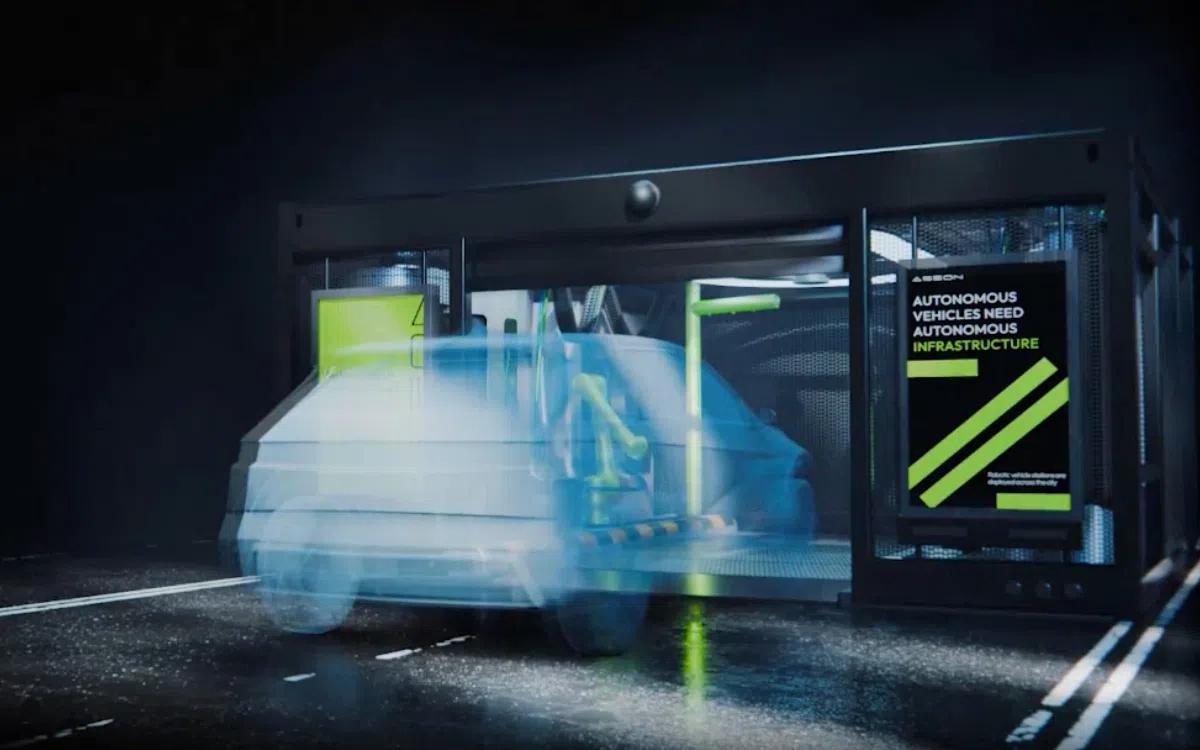
New Charging Solution Eliminates Extra Miles for Robotaxis
Robotaxi operators are testing automated inductive charging systems to eliminate the need for vehicles to travel to off-site charging stations. This technology, which uses wireless pads installed in the ground, allows autonomous vehicles to recharge while waiting for passengers or during short stops, according to industry reports.
Wireless Charging for Autonomous Fleets

The shift toward wireless, or inductive, charging aims to solve a primary logistical challenge for robotaxi companies: downtime. Current operational models often require autonomous vehicles to leave their service zones and drive to dedicated charging hubs once their battery levels drop. This process consumes time and increases the number of miles driven without passengers.
By installing charging pads at designated pickup or drop-off points, providers can facilitate “opportunity charging.” In this model, a vehicle receives a charge while it is stationary, such as when waiting for a rider or parked at a curb. This process effectively extends the vehicle’s range without requiring it to depart from its operational route.
Technological Implementation
Inductive charging relies on electromagnetic fields to transfer energy between a transmitter coil—embedded in the pavement—and a receiver coil attached to the underside of the vehicle. This process requires precise alignment between the two components.
Recent industry developments have focused on improving the efficiency and power output of these systems to ensure they can provide a meaningful charge during the short windows available in a typical robotaxi schedule. Unlike traditional plug-in chargers, wireless pads are protected from weather and vandalism, which reduces the maintenance requirements for infrastructure located in public spaces.
Impact on Operational Efficiency
The transition to automated, on-the-spot charging is expected to reduce the total number of “deadhead” miles—the distance a vehicle travels empty to reach a charging station. For fleet operators, minimizing these non-revenue miles is a critical factor in achieving profitability.
While the technology is currently being tested in specific pilot programs, the widespread adoption of this infrastructure remains subject to urban planning approvals and the standardization of hardware across different vehicle manufacturers. Municipalities must determine how to integrate these charging pads into existing road networks, including considerations for public parking and utility grid capacity.
The implementation timeline for large-scale deployment depends on further successful testing of the durability of the ground-based equipment under heavy traffic and varying environmental conditions.