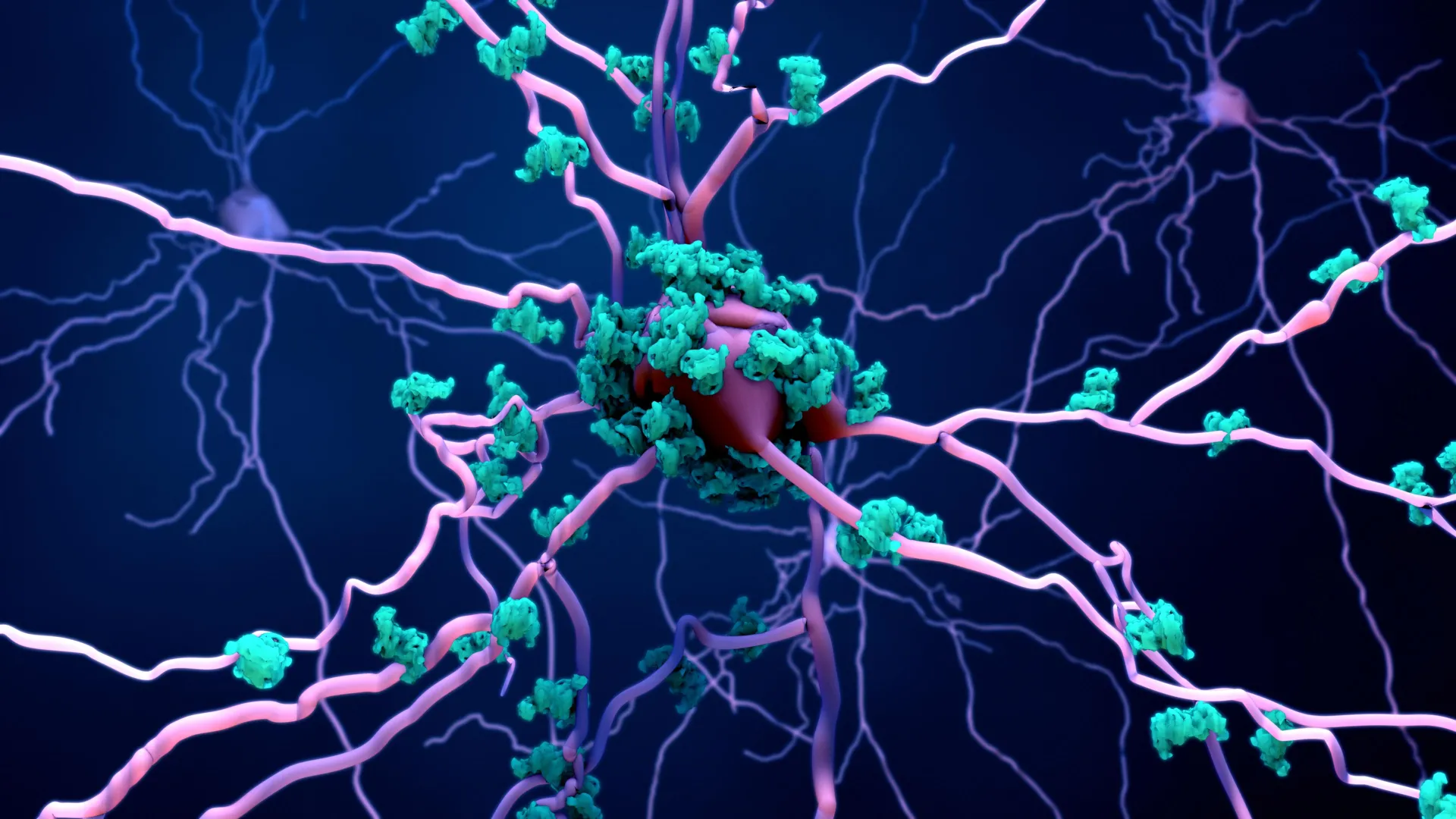
New Brain Cell Death Mechanism Linked to Alzheimer’s and Dementia
Researchers have identified a previously overlooked mechanism of brain cell death that appears to play a major role in Alzheimer’s disease and frontotemporal dementia. The finding could lead to new treatments aimed at slowing neuron loss by interrupting the process before cells are destroyed.
-
Key Clinical Takeaways:
- Scientists identified a mechanism of brain cell death.
- The mechanism is present in both Alzheimer’s and frontotemporal dementia.
- Targeting this pathway offers a potential new therapeutic window to slow neuron loss by interrupting the process before cells are destroyed.
For decades, the medical community focused on the “amyloid cascade hypothesis,” which posits that the buildup of amyloid-beta plaques is the primary driver of neurodegeneration. However, the persistence of neuron loss even after plaque removal suggests a more complex pathogenesis. This new research shifts the focus from the “triggers” of the disease to the actual “execution” phase of cell death. By understanding how the cell decides to die, clinicians may be able to develop drugs that block the final signal for apoptosis or necrosis.
The study utilized advanced imaging and single-cell sequencing to track the degradation of neurons in real-time. The researchers observed that the cells do not simply wither away; they undergo a programmed collapse triggered by a specific set of intracellular signals that were previously ignored in standard Alzheimer’s models.
How does this new mechanism trigger neuron loss?
The identified mechanism involves a failure in the cell’s internal homeostasis, leading to a catastrophic release of enzymes that digest the cell from the inside out. Unlike the slow accumulation of proteins, this process is rapid and lethal. According to the peer-reviewed data in the study, this pathway is activated in response to chronic inflammation and metabolic stress, which are hallmarks of the aging brain and early-stage dementia.
This discovery addresses a critical clinical gap: why current monoclonal antibodies, which clear amyloid plaques, only provide modest slowing of cognitive decline. If the “death machinery” is already active, removing the plaques is like removing the spark after the fire has already spread through the building. To stop the morbidity associated with these diseases, the intervention must target the cellular executioner itself.
For patients currently managing early-stage cognitive impairment, the transition from symptom management to disease-modifying therapy is a critical juncture.
What is the difference between this and previous Alzheimer’s research?
The primary distinction lies in the target. Previous standard-of-care research focused on the extracellular environment—the space between cells where plaques form. This new research focuses on the intracellular environment—the internal workings of the neuron. By identifying the specific proteins that signal a cell to self-destruct, scientists can now look for “blockers” that keep the cell alive despite the presence of plaques.
The study’s implications extend to frontotemporal dementia (FTD), a condition that often mimics Alzheimer’s but involves different protein aggregates (tau and TDP-43). The fact that the same cell-death mechanism is active in both diseases suggests a universal “final common pathway” for neurodegeneration. This means a single drug could potentially treat multiple forms of dementia.
Researchers have identified a previously overlooked mechanism of brain cell death that appears to play a major role in Alzheimer’s disease and frontotemporal dementia, which could lead to new treatments aimed at slowing neuron loss by interrupting the process before cells are destroyed.
From a B2B perspective, this shift in the biological model necessitates a change in diagnostic priorities. Laboratories and [Diagnostic Imaging Centers] are now seeing increased demand for assays that can detect these intracellular death signals rather than just measuring plaque load via PET scans.
What are the next steps for clinical treatment?
The research is currently moving toward the development of small-molecule inhibitors designed to cross the blood-brain barrier and neutralize the death-signaling proteins. These compounds will likely enter pre-clinical trials to determine if they can rescue neurons in animal models before moving to human double-blind placebo-controlled trials.

The timeline for these treatments depends on the ability to identify a reliable biomarker for this specific death pathway. If physicians can detect the “death signal” in a patient’s cerebrospinal fluid, they can administer the inhibitor before the neurons are permanently lost. This would move the standard of care from reactive treatment to proactive preservation.
Navigating the regulatory hurdles for these new intracellular targets requires rigorous adherence to the latest FDA and EMA guidance on neurodegenerative therapeutics. Pharmaceutical developers are increasingly engaging [Healthcare Compliance Attorneys] to ensure that trial designs account for the unique challenges of treating a progressive, irreversible brain condition.
While this discovery is not a cure, it provides a concrete molecular target for the first time in years. The focus is now on whether these “death signals” can be silenced without interfering with the healthy pruning of synapses that occurs during normal brain function. The trajectory of this research suggests a future where dementia is managed not by clearing debris, but by reinforcing the survival mechanisms of the neurons themselves. To explore the most current diagnostic options and trial eligibility, patients should seek guidance from vetted [Board-Certified Neurologists].
Disclaimer: The information provided in this article is for educational and scientific communication purposes only and does not constitute medical advice. Always consult with a qualified healthcare provider regarding any medical condition, diagnosis, or treatment plan.