
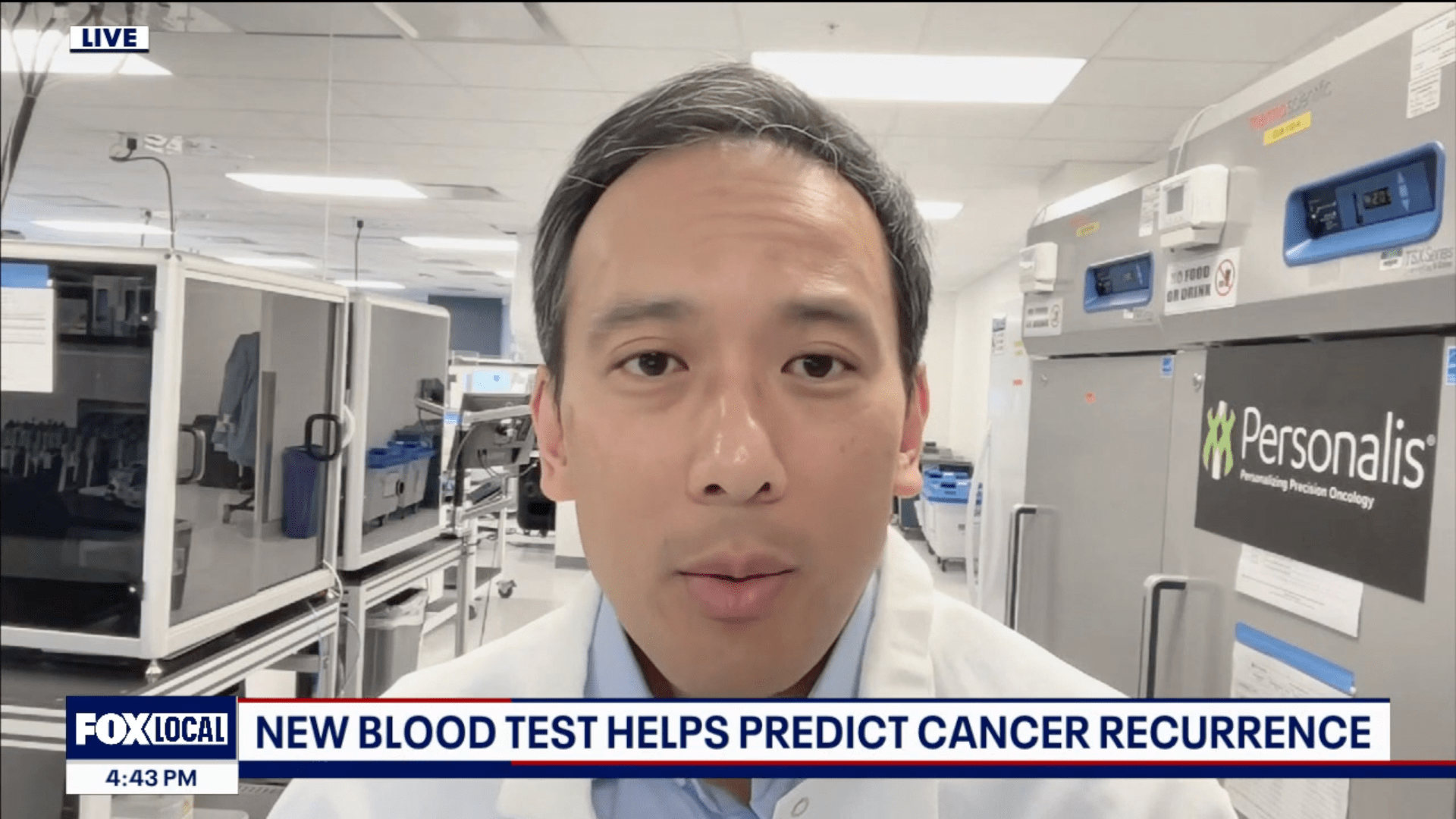
New Blood Test Predicts Lung Cancer Risk Five Years Early
The landscape of oncology is undergoing a fundamental shift as researchers move from reactive late-stage diagnosis toward proactive molecular surveillance. A newly identified protein-based blood signature offers the potential to detect lung cancer up to five years before traditional clinical manifestations appear. By analyzing specific biomarker patterns, this diagnostic approach aims to disrupt the current paradigm of late-stage detection, which remains the primary driver of lung cancer’s high global mortality rate.
Key Clinical Takeaways:
- A novel blood test utilizes a 14-protein signature to identify individuals at high risk for lung cancer years before radiographic evidence is present.
- The research focuses on the molecular pathogenesis of the disease, allowing for earlier clinical intervention in high-risk populations, including non-smokers.
- The diagnostic framework leverages artificial intelligence to interpret complex protein interactions, providing a scalable, non-invasive alternative to standard screening protocols.
The Molecular Basis of Early Detection
Lung cancer frequently evades detection until the tumor reaches a size or location that triggers symptomatic respiratory distress. By the time a patient presents with a cough, hemoptysis, or dyspnea, the pathogenesis is often advanced, limiting the efficacy of curative-intent surgery or targeted therapies. The recent identification of this 14-protein signature—detailed in peer-reviewed research—represents a significant departure from standard screening methods like low-dose computed tomography (LDCT), which, while life-saving, carry risks of false positives and cumulative radiation exposure.
The mechanism relies on identifying proteomic variations that precede the formation of malignant lesions. Unlike genomic sequencing, which identifies mutations that may or may not manifest as cancer, proteomic analysis captures the active, dynamic state of the tumor-host environment. This provides a more immediate reflection of the disease process, allowing clinicians to distinguish between benign nodules and early-stage malignancy with greater precision.
Clinical Efficacy and Diagnostic Rigor
To understand the clinical utility of this breakthrough, one must examine the validation process. The integration of artificial intelligence (AI) with blood-based biomarker panels is a rapidly evolving field, as seen in the Translational Lung Cancer Research framework. AI models are trained on thousands of patient samples to recognize subtle shifts in serum protein levels, essentially acting as a “liquid biopsy” that detects the molecular fingerprints of oncogenesis.
The primary challenge in lung cancer screening has always been the lead-time bias and the heterogeneity of the disease. By utilizing a multi-protein panel rather than a single biomarker, we are looking at a system-wide view of the patient’s biological response to early-stage cellular changes. This moves us away from guessing and toward a quantifiable risk assessment.
The funding and development of these diagnostic tools are largely driven by collaborative efforts between academic research centers and biotechnology firms, such as the work conducted by teams in Guangzhou and Zhengzhou. These partnerships are essential to move research from the laboratory bench to the bedside. For patients with a family history of malignancy or those with occupational exposure, consulting with board-certified oncologists is the most effective way to integrate these emerging diagnostic tools into a personalized surveillance plan.
Integrating Diagnostics into Clinical Practice
While the prospect of early detection is promising, the transition into the standard of care requires rigorous adherence to clinical guidelines. Patients who receive high-risk scores through these emerging blood tests must be managed within a coordinated care team. This involves not only the oncologist but also specialized pulmonologists and radiologists capable of interpreting indeterminate findings with caution to avoid unnecessary invasive procedures like biopsies.
| Diagnostic Method | Target | Primary Advantage |
|---|---|---|
| LDCT Scanning | Anatomical Structure | Visualizes physical lesions |
| Multi-Protein Blood Test | Molecular Signature | Predictive capacity years pre-symptom |
| Tissue Biopsy | Cellular Histology | Definitive diagnosis of malignancy |
The shift toward “predict and prevent” is particularly urgent for non-smokers, a demographic that is increasingly represented in lung cancer morbidity statistics. For these individuals, the absence of a smoking history often leads to delayed diagnosis. Utilizing advanced diagnostic panels provides a measurable pathway to monitor high-risk patients who would otherwise fall outside the criteria for traditional screening programs.
Future Trajectories in Precision Oncology
As these 14-protein panels move toward wider clinical adoption, the focus will shift to standardizing the assay across different laboratory platforms. Regulatory validation and longitudinal studies are the final hurdles before these tests become a standard component of annual wellness screenings for high-risk cohorts. For healthcare providers, the imperative is to remain current with these accredited diagnostic centers that are pioneering the implementation of these high-sensitivity blood assays.
The trajectory of this research suggests that we are entering an era where lung cancer can be managed with the same preventive rigor as cardiovascular disease. By identifying the molecular signatures of risk, we grant patients the agency to intervene before the disease gains a foothold. Proactive engagement with medical specialists remains the cornerstone of this evolution in clinical care.
Disclaimer: The information provided in this article is for educational and scientific communication purposes only and does not constitute medical advice. Always consult with a qualified healthcare provider regarding any medical condition, diagnosis, or treatment plan.