
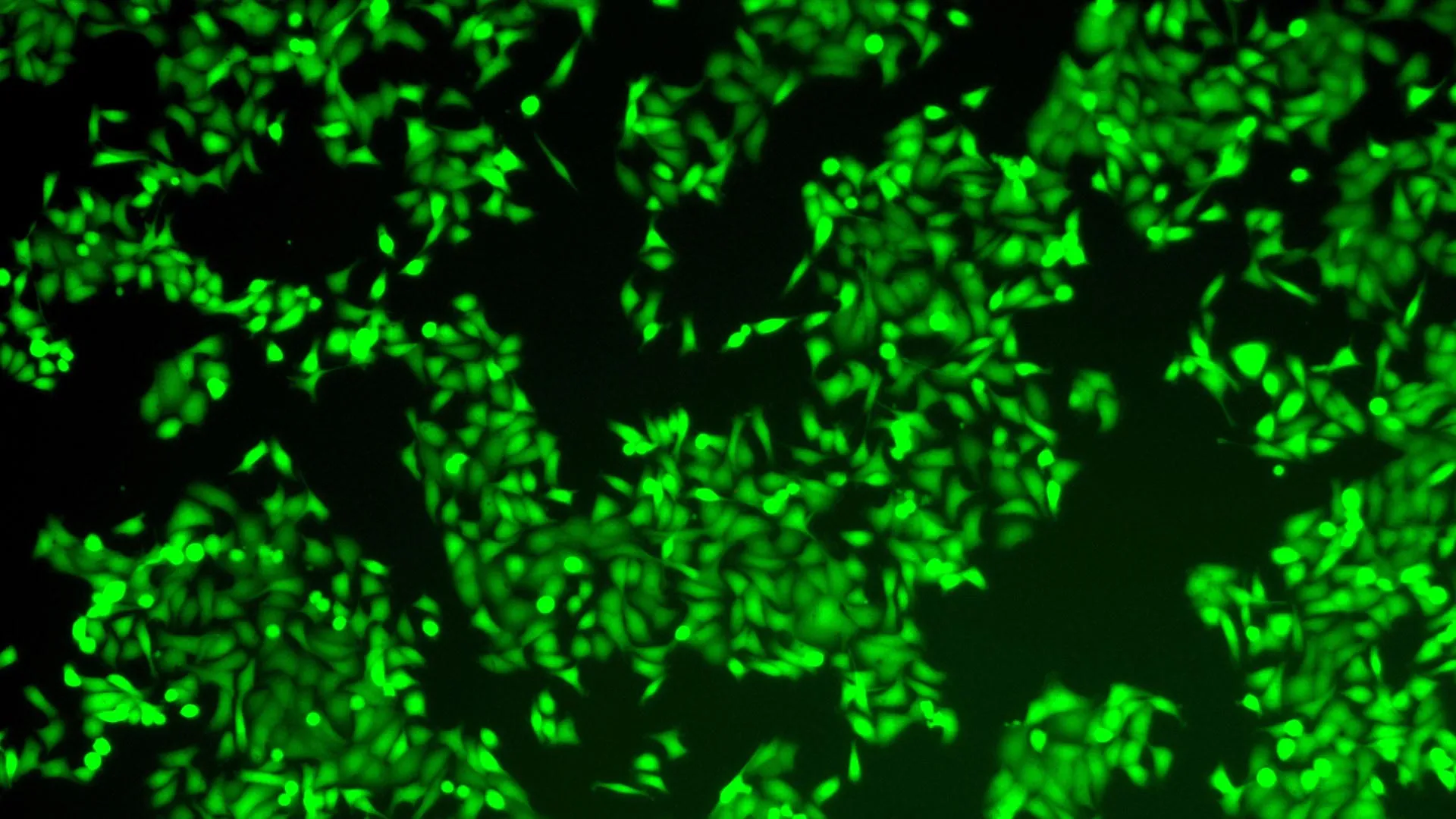
New Research reveals a Potential ‘Three-in-One’ Treatment Strategy for Pancreatic Cancer
Pancreatic ductal adenocarcinoma (PDAC), the most common and aggressive form of pancreatic cancer, has long presented a formidable challenge to medical science. Current treatments often focus on blocking the KRAS gene, a frequent driver of the disease. However, tumors frequently develop resistance, highlighting the need for more thorough therapeutic approaches. Now, groundbreaking research from the Cold Spring Harbor Laboratory (CSHL) is shedding light on a complex molecular circuit that fuels PDAC progression, offering a potential new target for treatment.This revelation could pave the way for therapies that overcome resistance and significantly improve outcomes for patients facing this devastating diagnosis.
Unraveling the Molecular Mechanisms of PDAC
Researchers have identified a protein called SRSF1 as an early trigger in PDAC tumor formation [1]. But the story doesn’t end there. A team led by Alexander Kral,building on the work of Professor Adrian Krainer at CSHL,has discovered that SRSF1 doesn’t act in isolation. Instead, it’s a key component of a three-part system that dramatically accelerates cancer growth.
“We hypothesized that the changes caused by increased SRSF1 levels were contributing to the rapid tumor growth we observed,” explains Kral. “Our investigation led us to Aurora kinase A (AURKA), which we found to be intricately linked to both SRSF1 and another crucial cancer-promoting gene, MYC.”
The Self-Reinforcing Cancer Circuit
This newly elucidated system operates as a self-reinforcing loop. SRSF1 regulates AURKA through a process called choice splicing – essentially controlling how the genetic instructions for AURKA are processed. This leads to increased levels of AURKA, which then stabilizes and protects the MYC protein. In turn, MYC boosts the production of SRSF1, restarting the cycle and driving continuous cancer growth. Understanding this circuit is crucial because it reveals multiple potential points of intervention.
“While individual components of this circuit were previously known, we lacked a complete understanding of how they interact,” says Krainer. “Identifying the role of alternative splicing of AURKA opened up new avenues for therapeutic exploration.”
A Single Target to Disrupt a Complex System
The research team developed an antisense oligonucleotide (ASO) – a short synthetic molecule – designed to disrupt the splicing of AURKA. The Krainer lab has a proven track record with ASOs, having previously developed Spinraza, the first FDA-approved treatment for spinal muscular atrophy.
Though, the results with this new ASO were even more remarkable than anticipated. Rather of simply blocking AURKA splicing, the treatment caused the entire cancer-driving circuit to collapse. Tumor cells lost their ability to survive and initiated programmed cell death, also known as apoptosis.
“It’s like hitting a master switch,” Krainer explains. “By targeting AURKA splicing, we concurrently disrupt the function of SRSF1 and MYC, effectively dismantling the engine driving cancer progression.”
What does This Mean for the Future of Pancreatic Cancer Treatment?
While still in the early stages of development, this research offers a promising new direction for pancreatic cancer therapy. The krainer lab is currently focused on refining the ASO to maximize its effectiveness and safety. It’s crucial to note that translating these findings into clinical applications will require critically important further research and clinical trials.
However, the success of Spinraza – which followed a similar path from foundational research to life-saving treatment – provides a hopeful precedent. This discovery underscores the importance of understanding the complex molecular networks that drive cancer and identifying vulnerabilities that can be exploited for therapeutic benefit. by targeting a central node in the cancer circuit, researchers may have found a way to overcome treatment resistance and offer new hope to patients battling this deadly disease.
Key Takeaways:
- PDAC is a highly aggressive cancer with limited treatment options.
- Researchers have identified a three-gene circuit (SRSF1, AURKA, MYC) that drives PDAC progression.
- Targeting AURKA splicing with an ASO effectively disrupts this circuit, leading to tumor cell death.
- This research offers a promising new avenue for developing more effective pancreatic cancer therapies.
