Nevada Youth Sports Center Temporarily Closes After Rooftop Fire
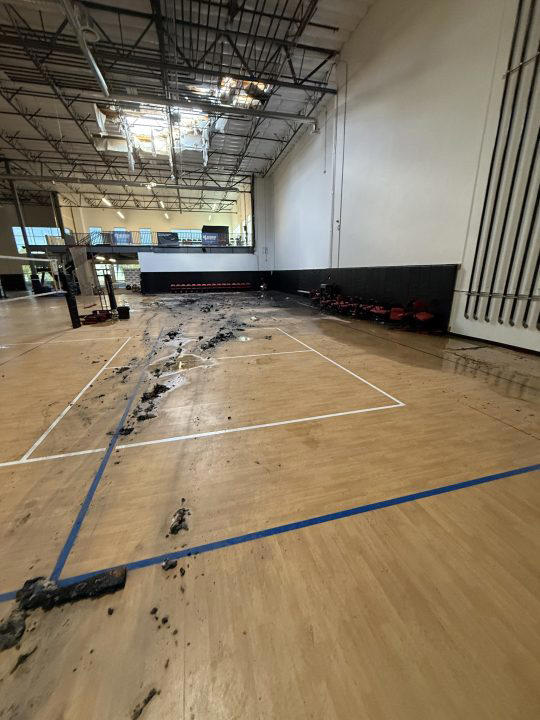
The Nevada Youth Sports Center, located near Pioneer Way and Buffalo Drive in Las Vegas, has suspended operations indefinitely following significant fire damage to its rooftop. Local fire officials confirmed the blaze broke out early Sunday, July 5, 2026, following the unauthorized use of commercial-grade fireworks in the immediate vicinity.
Infrastructure Vulnerability and the Cost of Proximity
The structural integrity of the facility remains under assessment by municipal building inspectors. While the fire was contained to the roof, the potential for water damage and electrical system compromise is high, according to preliminary reports from the Clark County Fire Department. The incident highlights a recurring tension in urban planning: the placement of community recreational assets in high-density zones where recreational firework activity remains difficult to police.
This event is not an isolated case of property damage linked to holiday celebrations in the Las Vegas valley. As municipal budgets face increasing pressure from emergency response costs, property owners are being forced to re-evaluate their risk profiles. For those managing large-scale public-use facilities, the necessity of engaging specialized structural restoration firms has become a prerequisite for operational continuity.
The Regulatory Landscape of Fireworks in Clark County
Nevada law maintains a strict distinction between “safe and sane” fireworks and prohibited pyrotechnics. Under the jurisdiction of the Clark County government, the use of aerial fireworks or those that explode is a misdemeanor offense. Despite these statutes, the enforcement of firework bans on private property remains a resource-intensive challenge for local law enforcement.

Legal experts observe that property owners affected by third-party negligence often face a complex recovery process. The intersection of insurance liability, local ordinance enforcement, and building code compliance creates a volatile environment for facility operators. When a business is forced to shutter, the ripple effects extend to the local economy and youth programming schedules.
“The challenge here is twofold: the immediate physical hazard of pyrotechnics in a dry, desert climate and the long-term legal burden placed on the property owner to prove negligence in the absence of a clear perpetrator,” noted a local municipal consultant familiar with zoning and safety compliance.
Mitigating Future Operational Risks
Facility managers are now tasked with implementing more robust surveillance and perimeter security measures to deter illicit activity. The financial impact of a temporary closure includes not only the cost of physical repairs but also the loss of revenue from youth athletic programs and potential litigation fees. Organizations facing similar disruptions are increasingly turning to commercial liability attorneys to navigate the complexities of insurance claims and potential civil action against responsible parties.
The incident serves as a stark reminder of the vulnerability of public infrastructure. Beyond the immediate cleanup, the long-term viability of the Nevada Youth Sports Center depends on how effectively the management can secure the site against future environmental or human-caused hazards. Proper maintenance and proactive security planning are no longer optional—they are critical components of risk management.
Financial and Operational Repercussions
For the families and youth organizations relying on the center, the closure creates a significant gap in service. The facility, which serves as a hub for regional youth athletics, now faces an indeterminate timeline for reopening. As the investigation into the fire continues, the focus shifts to whether the building’s fire suppression systems were adequate to handle the intensity of the heat generated by the rooftop ignition.

The total economic impact of the closure is yet to be tallied, but industry analysts anticipate that insurance premiums for similar recreational facilities in the area will likely rise as a result of the incident. Property owners should assess their current coverage levels with professional risk consultants to ensure that their assets are shielded from the high costs associated with fire-related reconstruction.
As the sun rises on a community left without its primary athletic venue, the conversation must shift toward prevention. The physical damage to the Nevada Youth Sports Center is a tangible loss, but the procedural failures that allowed such an event to occur at a public-facing facility remain the more pressing concern for city officials. Securing the future of local youth athletics will require a more disciplined approach to site safety and a rigorous enforcement of existing pyrotechnic ordinances.