
Brain Plasticity research Earns Professor Fredrik Ullén Prestigious Mensa Foundation Prize
Table of Contents
- Brain Plasticity research Earns Professor Fredrik Ullén Prestigious Mensa Foundation Prize
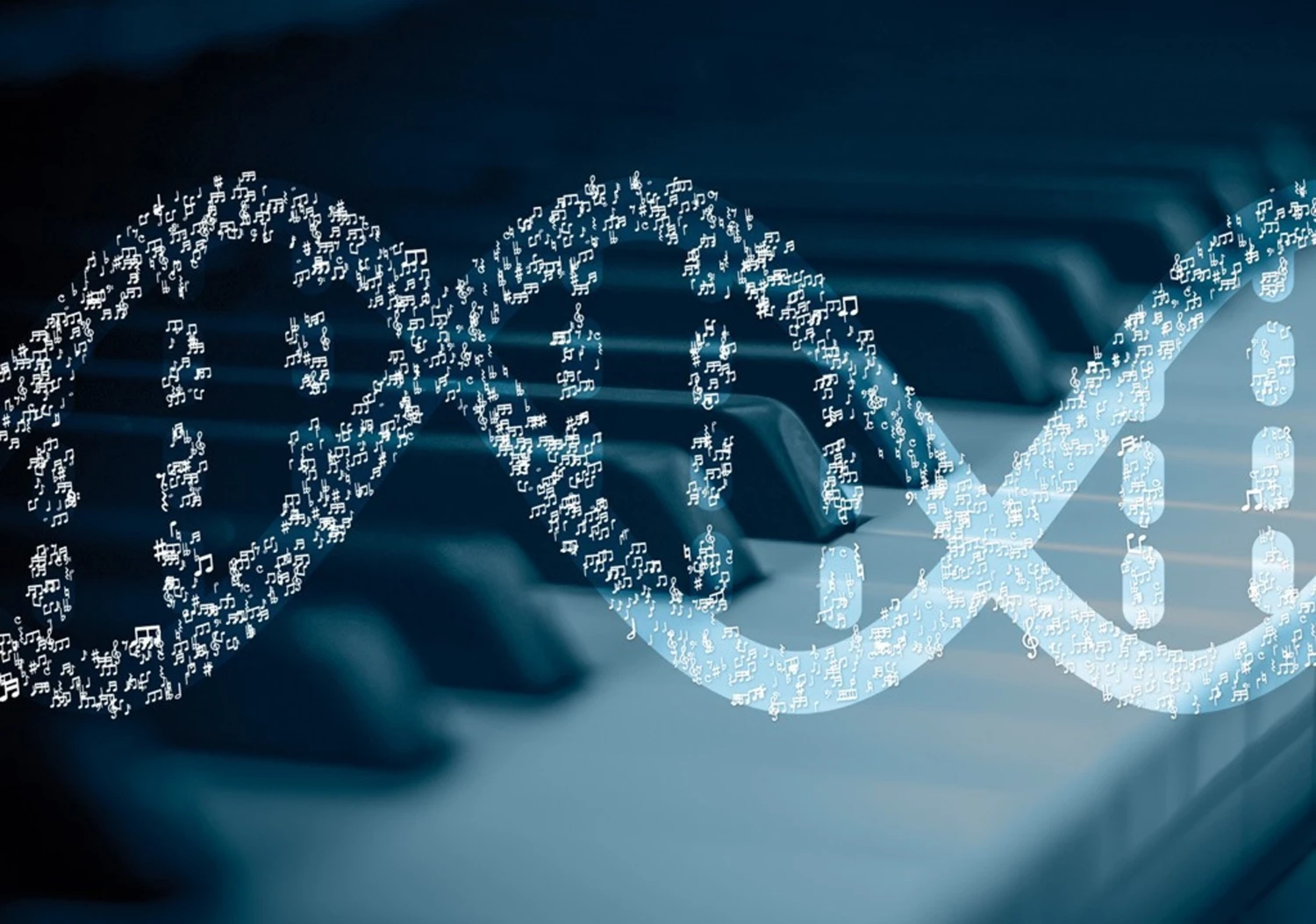
professor Fredrik Ullén has been awarded the esteemed Mensa Foundation Prize for his innovative research into brain plasticity, utilizing music as a key model. The award, which includes a $10,000 prize, will be presented on July 2, 2025, at American Mensa’s annual meeting in Chicago.
Recognition for Interdisciplinary team
Ullén expressed his gratitude, stating, “of course, I am vrey happy and honored. We use music as a model to understand the mechanisms behind learning, expertise, and creativity, and this award feels like a great recognition for our entire interdisciplinary team.”
Did You Know? Brain plasticity, also known as neuroplasticity, is the brain’s ability to change and adapt throughout life. This involves the reorganization of neural pathways based on new experiences, learning, and memory [[1]].
Future Research with Advanced Technology
Looking ahead, ullén is eager to leverage new technology to further his research.”Our new 7 Tesla MR-Scanner in Frankfurt is soon ready to be put into operation, which gives us completely new opportunities to study the human brain with high resolution,” he explained.
This advanced scanner will enable an extensive survey of how musicians’ brains are specialized, both structurally and functionally, to process music.The research will also incorporate genetic analyses to provide a more comprehensive understanding.
Understanding Brain Plasticity Mechanisms
The ultimate goal of this research is to gain a deeper understanding of the general mechanisms of brain plasticity. Thes mechanisms are not only relevant to music but also to various other areas, including recovery of function after disease or damage to the brain.
Pro Tip: Engaging in mentally stimulating activities, such as learning a new language or playing a musical instrument, can promote brain plasticity and cognitive health throughout life [[2]].
Mensa Foundation Prize Details
The Mensa foundation Prize is awarded biennially and recognizes exceptional contributions to the understanding of intelligence and related cognitive processes. The $10,000 prize aims to support and encourage further research in these critical areas.
| Award | Frequency | Prize Amount | Award Date |
|---|---|---|---|
| Mensa Foundation Prize | biennial | $10,000 | July 2, 2025 |
How might understanding brain plasticity revolutionize treatments for neurological disorders? What other fields could benefit from insights gained through music-based brain research?
Evergreen insights: The Enduring Meaning of Brain Plasticity
Brain plasticity is a essential aspect of human development and adaptation. It allows us to learn new skills, recover from injuries, and adjust to changing environments. Research in this area has far-reaching implications for education, rehabilitation, and cognitive enhancement.
Historical trends in neuroscience have shown a growing appreciation for the dynamic nature of the brain. Early theories often viewed the brain as a fixed structure, but modern research has revealed its remarkable capacity for change. This understanding has led to the development of innovative therapies and interventions that harness the power of brain plasticity to improve lives.
Frequently Asked Questions About Brain Plasticity
What factors influence brain plasticity?
Various factors can influence brain plasticity, including age, experience, genetics, and environmental stimuli. Engaging in mentally stimulating activities, maintaining a healthy lifestyle, and seeking appropriate medical care can all promote brain plasticity.
Can stress affect brain plasticity?
Yes, chronic stress can negatively impact brain plasticity [[3]]. Prolonged exposure to stress hormones can impair neural connections and reduce the brain’s ability to adapt. Managing stress through relaxation techniques, exercise, and social support is crucial for maintaining healthy brain function.
Disclaimer: This article provides general facts about brain plasticity research and should not be considered medical advice.Consult with a qualified healthcare professional for personalized guidance.
share this article and join the discussion! What are your thoughts on the potential of brain plasticity research?
