Netherlands Shifts Cuba Policy Amid US Pressure at UN Embargo Vote
Den Haag shifts historic stance at United Nations as European solidarity cracks
After a months-long diplomatic push by Washington, the Dutch government broke with a voting pattern at the United Nations by abstaining on a resolution condemning the American trade embargo against Cuba, nrc.nl reported. While the non-binding resolution passed with 130 votes in favor, 17 against, and 25 abstentions during the General Assembly in New York, the Dutch abstention marked the first time since 1996 that the Netherlands did not vote to lift the blockade. The resolution has primarily symbolic significance, as only the United States Congress or president can terminate the embargo. In previous years, overwhelming majorities backed the call, such as two years ago in 2023 when 187 countries voted in favor with only the United States and Israel dissenting.
Pressure from Washington
The policy shift followed an intensive diplomatic offensive led by US Ambassador to the UN Mike Waltz, who explicitly asked European counterparts how they could continue supporting the Cuban resolution in light of evidence regarding the Cuban government. The US government has tightened economic measures against Havana, including an oil blockade, aiming to exert pressure. Foreign policy debates have intensified as Washington links trade policy to the situation on the island.
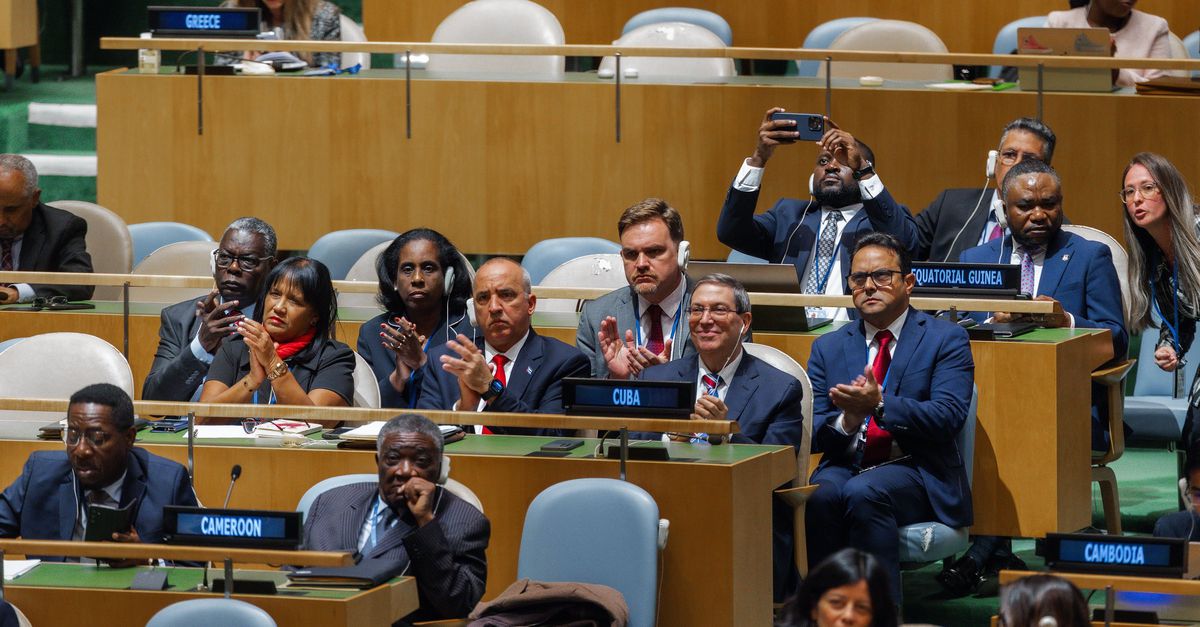
#Cuba | Foreign Minister Bruno Rodríguez confronts U. S. representatives at the UN General Assembly, invoking Rule 71 to reject accusations against Cuba during discussions on Washington's economic blockade.#UNGA #BrunoRodriguez #USBlockade #teleSUREnglish pic.twitter.com/BK8ZNXgKWT
Division inside the European Union over democratic reforms and humanitarian impact
The European Union’s traditional united front fractured during the late October 2026 vote. Other Latin American and European shifts accompanied the split: countries such as Colombia, Paraguay, Argentina, Ecuador, and Costa Rica aligned with the United States to vote against the resolution, while Chile, Honduras, and Peru abstained. While Brussels maintains sharp criticism of Havana’s lack of democratic reforms, the EU maintains that the embargo imposes a severe negative economic and humanitarian impact on the Cuban population.
Political fallout and heated confrontations on the General Assembly floor
Opposition politicians in The Hague criticized the cabinet’s reversal. Foreign affairs spokesperson Kati Piri called the move tragic, stating that the Dutch position had been consistent for thirty years: the economic embargo of the US against Cuba is illegal. Meanwhile, tensions boiled over on the UN floor when Ambassador Waltz and Cuban Foreign Minister Bruno Rodríguez engaged in a shouting match, with Rodríguez calling the American diplomat a liar before the president intervened. During the altercation, Rodríguez marched toward the podium, prompting Ambassador Waltz to snap back that the Cuban official could not intimidate him the way he does political prisoners, shouting at him to back off and declaring that the venue was not Havana.
