Netflix Sued by Metal Band Demon Hunter Over KPop Franchise Trademarks
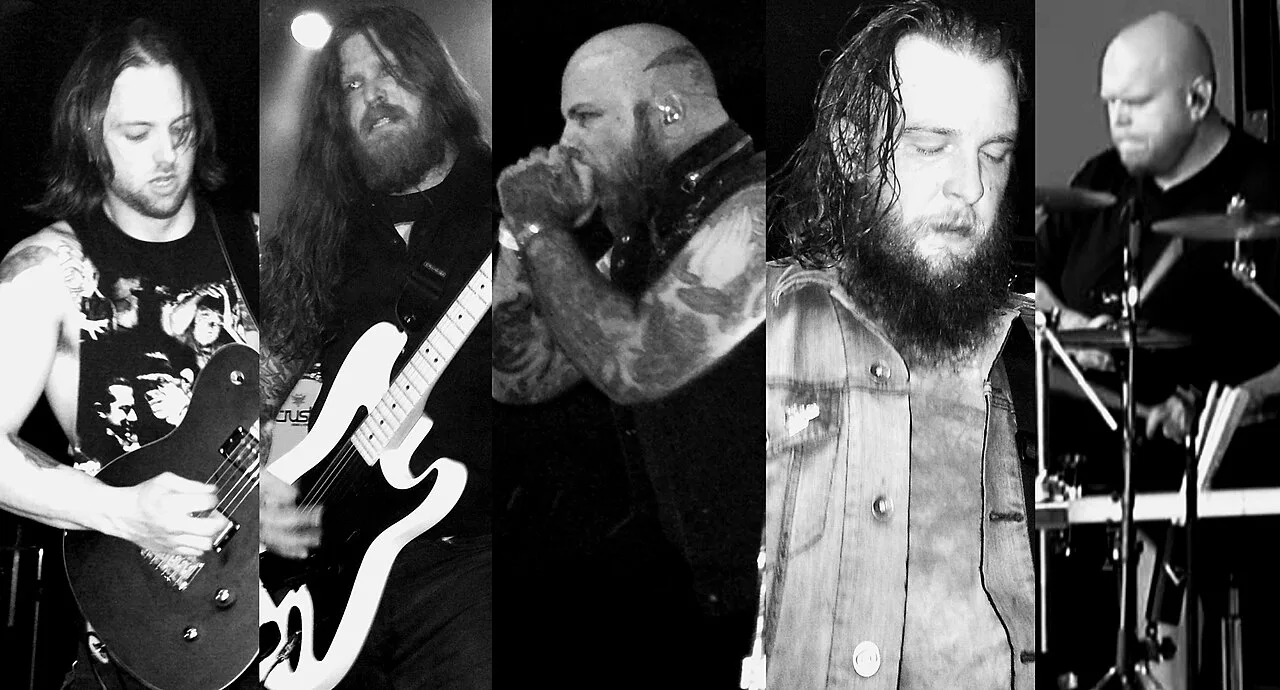
The Christian metal band Demon Hunter filed a trademark infringement lawsuit in California federal court against Netflix and concert promoter AEG Presents, targeting the global expansion of the animated franchise KPop Demon Hunters into live music tours and consumer merchandise. According to Reuters filings, the dispute centers on growing commercial overlap as streaming hits evolve into multi-platform physical events.
Trademark Claims and the Expansion Into Live Entertainment
For more than two decades, the Seattle-originated Christian metal group Demon Hunter has operated under its namesake branding across studio recordings, physical merchandise, and live music venues. The corporate entity representing the group filed a complaint in California federal court alleging that Netflix and concert promoter AEG Presents have infringed upon these long-standing trademark rights. According to the court filings cited by Reuters, the legal friction escalated as the streaming giant transitioned the animated property from a screen-based release into an expansive commercial ecosystem featuring soundtracks, branded apparel, and high-profile global concert tours.
This rapid commercial evolution mirrors wider industry trends. Entertainment analysts note that modern media companies rarely keep successful intellectual property restricted to a single digital screen. Instead, studios utilize soundtracks, consumer products, and live events to maximize audience engagement and revenue. However, when a fictional franchise adopts branding that shares identical linguistic elements with a veteran touring act operating in the exact same commercial sector, legal collisions become inevitable. The legal challenge forces courts to examine how traditional trademark boundaries apply to modern entertainment giants scaling up physical operations.
Consumer Confusion and Real-World Evidence
Trademark law relies heavily on whether target audiences are likely to experience confusion regarding the source, sponsorship, or affiliation of commercial goods and services. The lawsuit submitted to the federal court attempts to establish this threshold by documenting concrete instances of consumer mix-ups. According to Reuters, the complaint highlights a specific incident where a ticket purchaser bought admission under the mistaken belief that a Demon Hunter metal concert was affiliated with the family-friendly Netflix streaming property. The consumer reportedly sought a refund upon discovering the operational separation between the two entities.

Legal professionals observing the docket point out that concrete documentation of marketplace confusion carries significant weight during preliminary injunction hearings. When consumers mistake an independent touring musical act for a corporate media tie-in—or vice versa—the impacted brand faces tangible risks to its reputation, search engine visibility, and ticketing operations.
The Multi-Platform Growth of KPop Demon Hunters
The underlying franchise has grown exponentially since its debut. According to reporting from The Verge, the animated property achieved historic milestones on the streaming platform, securing major Academy Award nominations in categories including Best Animated Film and Best Original Song while dominating global music charts. Directed by Maggie Kang and Chris Appelhans under an exclusive multi-year deal with Netflix, the fictional group HUNTR/X generated massive international engagement, prompting studio executives to greenlight a sequel and assemble a massive global touring infrastructure.

AEG Presents anchors the live-event rollout for the franchise. Known for promoting massive international tours and tentpole festivals such as Coachella, AEG brings substantial industry muscle to the property’s live music ventures. Promotional materials published on Netflix channels detail a robust international strategy leveraging AEG’s venue networks across multiple continents. This heavy investment in live performances, however, places the franchise directly into the touring and merchandise markets long occupied by the plaintiff band, raising the stakes for both litigants as tour dates approach.
Navigating Trademark Collisions in the Streaming Era
The phrase “demon hunter” appears frequently across fantasy literature, video games, and popular culture lexicon. Yet, legal analysts emphasize that generic phrasing does not automatically invalidate a commercial trademark if the mark has acquired distinctiveness through continuous use in commerce. The central question before the California federal court is whether Netflix’s usage of the branding in connection with music products and live shows encroaches upon the territory established by the metal band over the past twenty years.
As streaming platforms increasingly mimic traditional entertainment conglomerates, intellectual property disputes are shifting from simple title disagreements into complex commercial boundary disputes. Corporations attempting to scale digital properties into physical venues must balance rapid expansion strategies with thorough clearance procedures.
The lawsuit remains at an early procedural stage, and the federal court has yet to test the merits of the band’s claims or rule on the request for an injunction restricting the disputed branding. As legal briefs are filed and evaluated, the outcome will serve as a critical precedent for how media conglomerates manage franchise expansions that brush against established independent artists in the live entertainment marketplace.