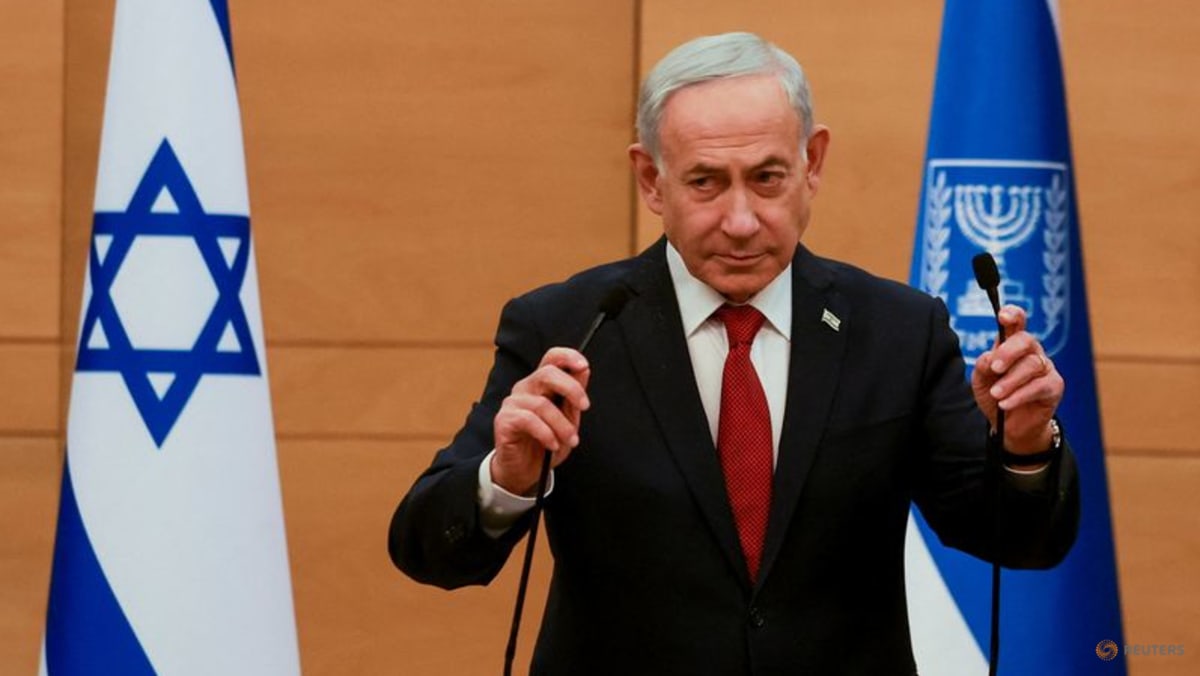
Netanyahu Willing to Serve as Alternate PM in Eisenkot-led Government
Israeli Prime Minister Benjamin Netanyahu announced on Saturday, November 28, that he is willing to serve as alternate prime minister in a unity government led by his rival, Gadi Eisenkot.
Israeli Prime Minister Benjamin Netanyahu said he would be willing to temporarily relinquish power in a unity government led first by Gadi Eisenkot, CNA reported. The offer follows an inconclusive October 27 election that left neither bloc with a clear parliamentary majority.
Netanyahu, whose Likud party secured 53 seats alongside allies, stated he would set aside the principle that the largest party should lead the government to address what he described as an existential threat, Xinhua reported. Eisenkot, whose Yashar party and allies hold 48 seats, responded by inviting Netanyahu to immediate, serious negotiations, according to BBC. The former military chief had previously accused Likud of stalling talks, The Guardian reported.
Gadi Eisenkot is pursuing three tracks to build a coalition, including a minority government that would rely on outside support from Arab-led parties, according to reporting. He accused Netanyahu of putting Israel “in a very dangerous place” with his anti-Arab rhetoric, signaling openness to such an arrangement despite controversy.
Such a government would prove highly divisive, as many voters feel Arab parties have not sufficiently condemned Hamas, and anger persists over ultra-Orthodox parties pushing for military service exemptions.
Former Prime Minister Naftali Bennett welcomed Netanyahu’s willingness to allow Eisenkot to serve first but urged caution: “Respect him, but remain suspicious, and then remain suspicious again.” Bennett had previously accused Netanyahu of “destroying the state of Israel,” calling his recent concession the right decision for an “alliance of those who serve.”
Avigdor Liberman, meanwhile, indicated his bloc should be willing to “sacrifice” its pledge not to cooperate with the ultra-Orthodox to achieve its primary goal: “an end to Bibi’s rule.” The outcome remains uncertain, with all options still on the table as the December 6 deadline approaches.
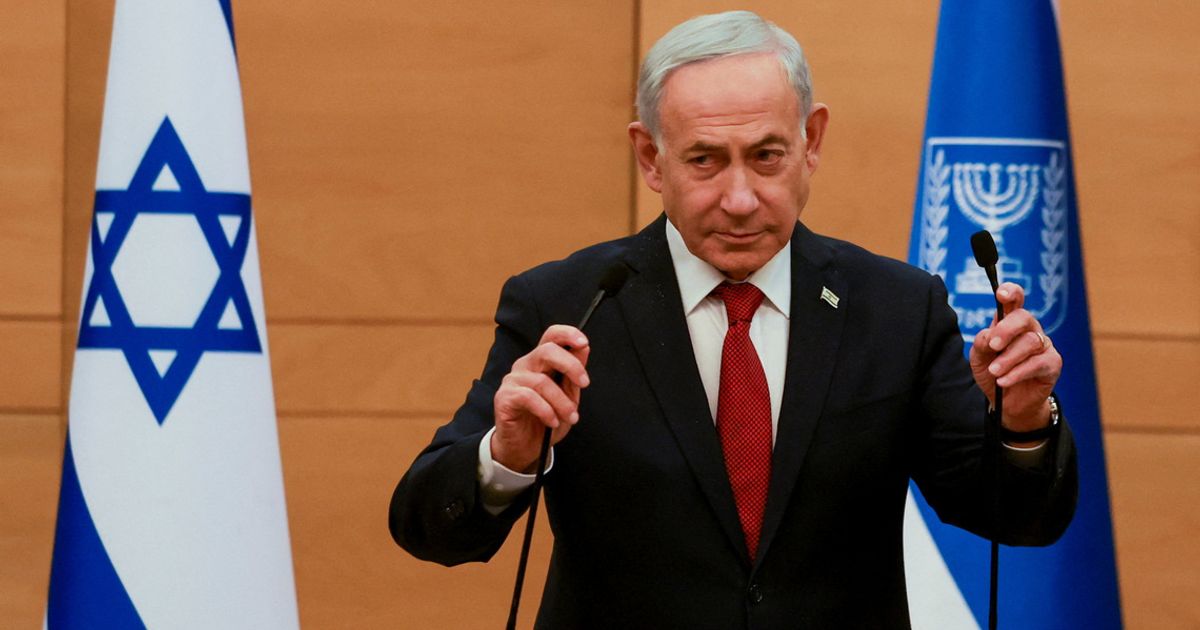
The two leaders are scheduled to meet on the morning of November 29 at a hotel in Herzliya to discuss the proposal, The Straits Times reported. While Eisenkot has already signed agreements with The Democrats and Yisrael Beiteinu, he faces a complex decision regarding whether to partner with Netanyahu or pursue a minority government supported by other factions, Ynetnews reported.
Former Prime Minister Naftali Bennett expressed support for the rotation plan, calling it the right decision for an “alliance of those who serve,” The Jerusalem Post reported. Conversely, Yair Lapid dismissed the proposal as a “transparent con,” according to ynetglobal.
Eisenkot holds a mandate from President Isaac Herzog to form a government until December 6, with a potential 14-day extension available, the New York Post reported.
“If Likud is ready for genuine unity, I am prepared to assess its seriousness over the next 24 hours,” said Gadi Eisenkot.