
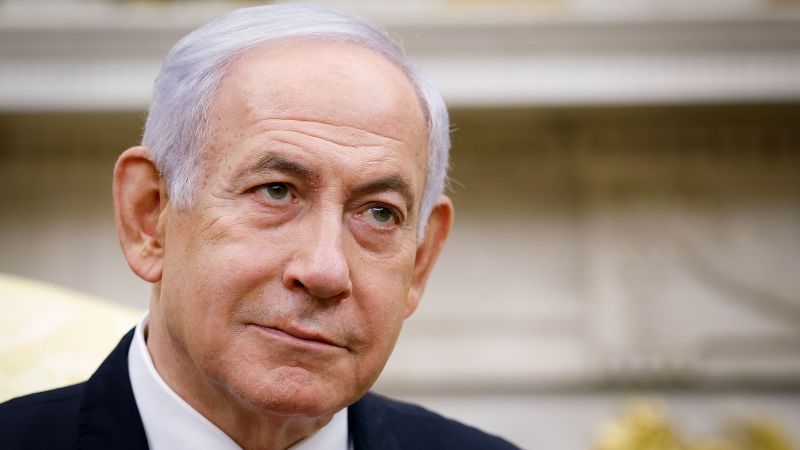
Netanyahu Prioritizes Hostage Return After Iran Operation
Following recent military actions, Israeli Prime Minister Benjamin Netanyahu signals a shift, now prioritizing the return of hostages held in Gaza over the complete defeat of Hamas, sparking a new diplomatic push.
A Change in Focus
Speaking at a Shin Bet facility in southern Israel, Netanyahu highlighted that “many opportunities have opened up” after the military’s activities. He emphasized the importance of rescuing hostages, alongside resolving the situation in Gaza and defeating Hamas. This marks a significant departure from his previous stance.
For months, Netanyahu had emphasized defeating Hamas as the main objective. He’s now facing increasing pressure from hostage families, political opponents, and a large segment of the Israeli public.
“What is needed is release, not rescue. This difference of one word could mean the difference between salvation and loss for the hostages,”
— Hostages Families Forum Headquarters
A recent poll indicated that a majority of Israelis believe that a deal to release the hostages should be the top priority in the current conflict. (Pew Research Center, May 2024).
Diplomatic Moves
Netanyahu also mentioned expanding “wider regional opportunities,” referencing the potential to extend the Abraham Accords. His comments come as U.S. President Donald Trump urges a ceasefire deal.
Trump, in a social media post, urged Israel to “MAKE THE DEAL IN GAZA. GET THE HOSTAGES BACK!!!” Furthermore, Trump has recently voiced support for Netanyahu, calling his ongoing corruption trial a “POLITICAL WITCH HUNT.”
The latest proposal from U.S. envoy Steve Witkoff involves a 60-day ceasefire, with the release of hostages in exchange for Palestinian prisoners. Negotiations would follow for a more comprehensive agreement.
In light of the developments, Netanyahu requested the postponement of his upcoming trial sessions. The court granted the delay.
Rising Tensions
Meanwhile, Israeli military operations continue. A security source indicated a potential shift towards a diplomatic approach in Gaza after over twenty months of fighting and the elimination of many Hamas leaders.
According to the Palestinian Ministry of Health, which doesn’t distinguish between civilians and militants, more than 56,000 Palestinians have died in Israeli strikes since the war’s beginning. This includes over 17,000 children. Recent strikes on Jabalya killed at least 15 people.
Emergency services in Gaza report that as many as 10 to 15 people remain under the rubble.
Looking Ahead
With increasing diplomatic pressure and evolving priorities, the focus remains on negotiating a deal. It aims to secure the release of the remaining hostages and achieve a lasting resolution in Gaza.
