
Netanyahu Offers Eisenkot First Turn as Prime Minister in National Unity Government Bid
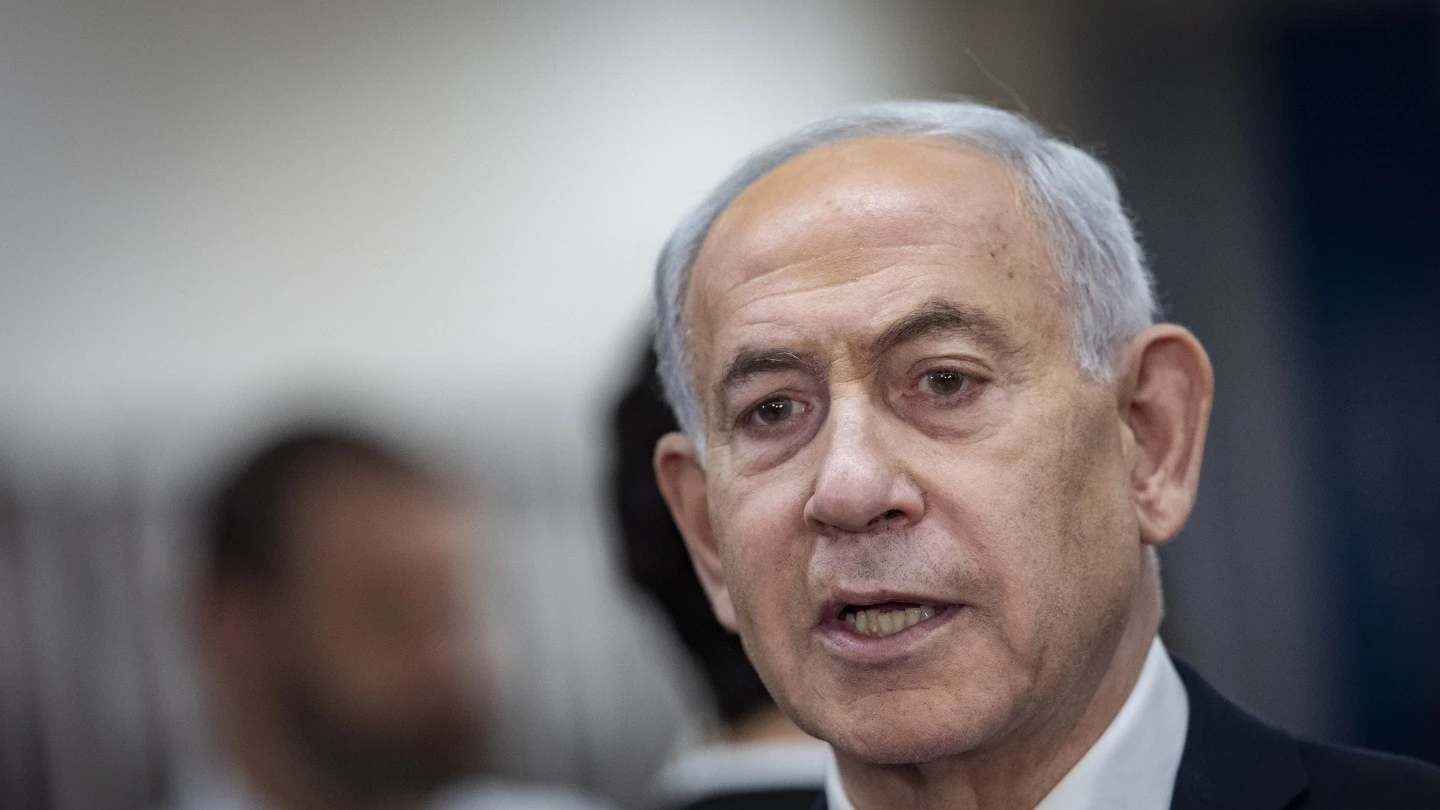
Prime Minister Benjamin Netanyahu has offered to allow Yashar party chairman Gadi Eisenkot to serve first as prime minister in a national unity government, with himself moving to the role of alternate prime minister.
The proposal changes the incumbent leader's position; he cited "the gravity of the existential danger" facing Israel as his primary motivation for the rotation agreement, according to JNS.
Netanyahu, whose Likud party secured the most seats in the October 27 general election, said that his responsibility as a leader requires him to set aside the principle of the largest party heading the government. Writing on X, he said that while he should naturally lead the coalition, he is prepared to concede the top spot to secure a stable administration, as reported by JNS.
The offer follows a hearing on Wednesday in Netanyahu’s ongoing corruption trial, where judges proposed dropping some of the charges against him. Netanyahu claimed this development has prompted many to express a “yearning for unity,” though he continues to warn against the formation of a minority government supported by Arab parties, which he characterized as “supporters of terrorism,” JNS reported.
He further alleged these parties seek to grant citizenship to hundreds of thousands of Palestinians through family reunification and establish autonomy in the Galilee and Negev.
Eisenkot responded on Saturday by inviting Netanyahu and his negotiating team to the Dan Accadia Hotel in Herzliya to conduct “genuine and accelerated negotiations.” In a statement posted to social media, Eisenkot confirmed he is willing to consider the rotation offer over the next 24 hours, noting that he intends to form a government in the “coming days” based on his own established principles.
The Yashar chairman disclosed that his team had delivered a detailed proposal to Netanyahu on November 15 through a secret channel, but said that as of Saturday, they had received no formal response to those earlier terms. Eisenkot emphasized that his party is prepared to make political concessions to achieve a government built on solidarity and national security, according to JNS.
Yashar, founded in September 2025 with Eisenkot as its leader, campaigns on a platform combining national‑Jewish identity with equal rights for all citizens. The party opposes a two‑state solution, prioritizing Israeli control of the Jordan Valley and major settlement blocs, while advocating a long‑term ceasefire and demilitarization in the Gaza Strip.
Eisenkot, who served as a minister without portfolio in the unity government from 2023 to 2024, has emphasized internal unity as a security imperative and supports reforms to strengthen the separation of powers.
On Haredi conscription, Yashar backs limited exemptions for up to three percent of yeshiva students but rejects the broad exemption system that followed the October 7 attacks.
Both sides are weighing a potential power-sharing agreement as negotiations continue. For readers seeking further analysis, the Financial Times offers digital subscriptions that include a trial period followed by a monthly fee.