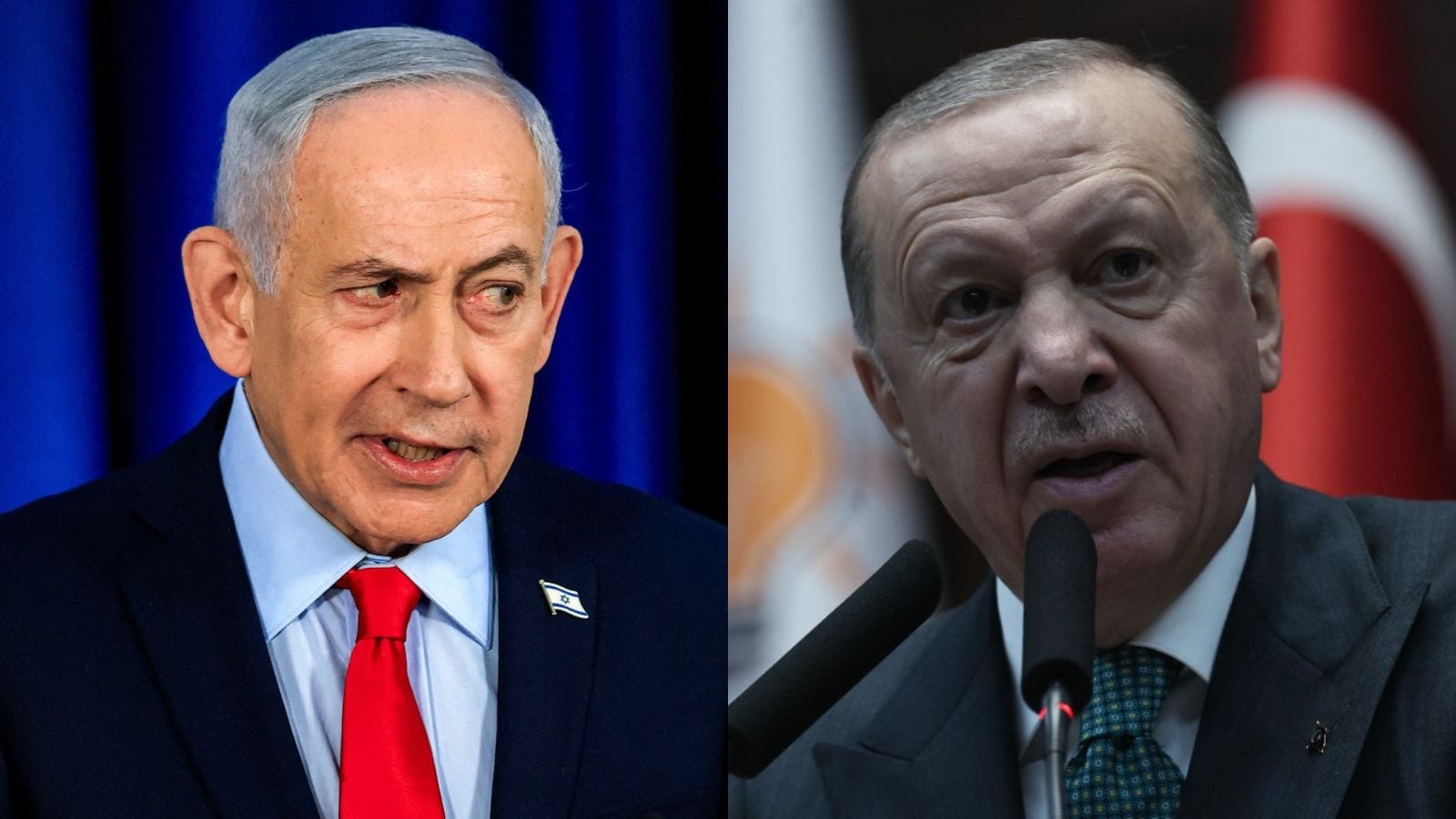
Netanyahu Accuses Erdogan of Antisemitism, Dictatorship, and Kurdish Oppression in Bold X Post
Turkey’s President Recep Tayyip Erdogan called for “liberating Jerusalem” in a June 10, 2026, statement, while Israeli Prime Minister Benjamin Netanyahu labeled him an “antisemitic dictator” on X, accusing him of supporting Hamas and suppressing political dissent. The exchange escalated tensions between two regional powers with deep historical and geopolitical ties.
Why the Escalation Matters: A Regional Flashpoint
The confrontation underscores deteriorating relations between Turkey and Israel, two nations with complex alliances and rivalries. Erdogan’s rhetoric aligns with broader Turkish efforts to position itself as a leader in the Islamic world, while Netanyahu’s response reflects Israeli concerns over regional security and internal political pressures.

According to a 2025 report by the European Council on Foreign Relations, Turkey’s foreign policy under Erdogan has increasingly emphasized “soft power” in the Middle East, including symbolic gestures toward Palestinian causes. This latest statement may signal a shift toward more overt interventionism, potentially destabilizing fragile regional alliances.
Historical Context: Jerusalem as a Political Battleground
Jerusalem’s status has long been a flashpoint in Middle East conflicts. Turkey’s historical claims to the city stem from its legacy as the Ottoman Empire, which ruled the region for centuries. However, modern Turkish diplomacy has avoided direct confrontation with Israel, maintaining formal ties while supporting Palestinian rights through diplomatic channels.
“Erdogan’s rhetoric risks undermining Turkey’s strategic balance,” said Dr. Ayşe Yılmaz, a political scientist at Bilkent University. “While his base may applaud the stance, it could isolate Turkey from key Western allies and complicate its NATO obligations.”
Netanyahu’s Accusations: A Diplomatic Firestorm
Netanyahu’s characterization of Erdogan as an “antisemitic dictator” directly challenges Turkey’s narrative of being a secular, democratic state. The accusation comes amid heightened tensions over Israel’s operations in Gaza and Turkey’s alleged support for Hamas. A 2024 UN report noted that Turkey hosts significant Palestinian refugee populations, though it has not officially recognized Hamas as a terrorist organization.

“This is a calculated move to deflect criticism of Israel’s policies,” said Dr. Daniel Cohen, an Israeli political analyst. “Netanyahu is leveraging Erdogan’s authoritarian reputation to rally domestic support, but it risks escalating regional hostilities.”
Regional Implications: Economic and Political Fallout
The conflict could impact trade and diplomatic relations between Turkey and Israel, which maintained $1.2 billion in annual trade in 2023. Analysts warn that strained ties might ripple through the broader Middle East, affecting energy partnerships and security cooperation.
In Jerusalem, local officials expressed concern over the rhetoric. “Words matter here,” said Mayor Moshe Lion. “We need dialogue, not provocations. The city’s stability is too vital to be weaponized.”
Expert Perspectives: Navigating the Crisis
“Erdogan’s statement is symbolic, but its real impact depends on Turkey’s willingness to act. Israel’s response risks further polarizing the region,” said Dr. Leila Khalidi, a Middle East analyst at the Brookings Institution.
Legal experts also highlighted the potential for international legal challenges. “If Turkey escalates its rhetoric to actions, it could face scrutiny under international law,” said Professor Samuel Green, a constitutional law scholar at Tel Aviv University. “But for now, it’s mostly posturing.”
Directory Bridge: Solutions for a Fractured Region
As tensions rise, civic organizations and legal firms are preparing to address the fallout. International arbitration specialists are monitoring potential disputes, while conflict resolution NGOs are expanding outreach in the Middle East. For businesses navigating this uncertainty, regional economic consultants are offering guidance on mitigating geopolitical risks.

What’s Next: A Precarious Balance
The situation remains volatile, with both sides unlikely to back down. Analysts predict increased diplomatic maneuvering, including potential mediation efforts from Gulf states or the EU. However, the lack of a clear resolution path leaves the region in a precarious state.
“This isn’t just about words,” said Dr. Yılmaz. “It’s about the future of Turkey’s role in the Middle East and Israel’s security calculus. The stakes are higher than ever.”
As the world watches, the interplay between historical grievances, political posturing, and regional stability will define the next chapter of this conflict. For those seeking to navigate its consequences, the need for informed, localized expertise has never been more urgent.