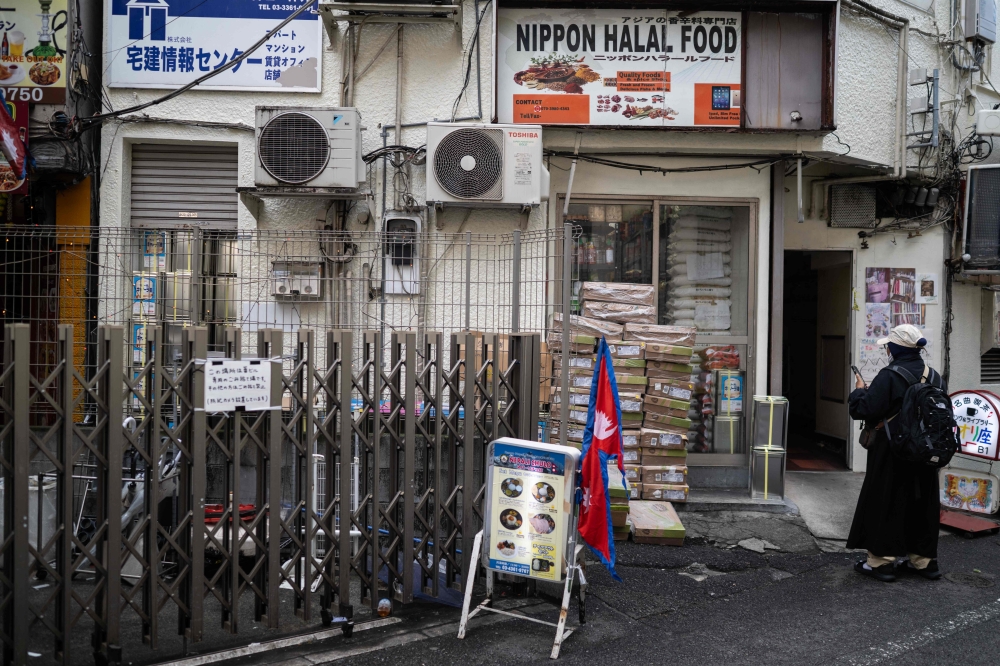
Nepalese Entrepreneurship: Building a Business in Tokyo
Japan’s 2026 visa reforms have left foreign business owners in Tokyo facing deportation risks, with at least 120 entrepreneurs in the hospitality sector now under review, according to the Ministry of Justice. The policy, effective June 15, tightens requirements for “engineer” and “intra-company transfer” visas, forcing businesses to reclassify employees or risk closure. Budhathoki Samjhana, a Nepalese restaurant owner in Shinjuku, described the crisis: “My dream is broken. I built this business over 15 years, but now I’m labeled a ‘non-essential’ foreigner.”
Why Japan’s Visa Crackdown Matters to Foreign Entrepreneurs
The reforms, part of a broader effort to prioritize “high-value” workers, require foreign business owners to prove their ventures generate at least ¥50 million annually or employ 10+ Japanese staff. Critics argue the thresholds exclude small-scale operators like Samjhana, whose 20-seat dumpling restaurant earns ¥38 million yearly. “This isn’t about economic efficiency—it’s about excluding people who don’t fit the government’s vision of ‘ideal’ foreign workers,” said Dr. Yuki Tanaka, a migration policy professor at Keio University.
Historical context reveals a pattern: Japan’s visa system has long favored corporate migrants over independent entrepreneurs. In 2018, the government introduced “specific activities” visas, but loopholes allowed small businesses to operate under vague definitions. The 2026 revisions close those gaps, forcing businesses to reapply under stricter criteria. “This is a calculated shift,” said Hiroshi Sato, a Tokyo-based immigration lawyer. “The state is now defining ‘value’ through profit margins, not cultural or economic contribution.”
How the Policy Affects Tokyo’s Business Ecosystem
Shinjuku and Shibuya, home to 40% of Tokyo’s foreign-owned restaurants, face immediate disruption. A 2025 Tokyo Metropolitan Government study found 2,300 small businesses owned by non-Japanese nationals, with 68% operating under visas that now require revalidation. The Tokyo Chamber of Commerce reported a 30% increase in consultation requests since the policy’s announcement, with many owners fearing forced repatriation.
“We’re not asking for special treatment,” said Samjhana, who has operated her restaurant since 2011. “We’re asking to keep the livelihoods we’ve built. This feels like a rejection of our contribution to the community.” Her case mirrors 15 others in Shinjuku, where businesses have begun notifying customers of potential closures. The Tokyo Metropolitan Police confirmed 22 deportation orders issued under the new rules as of June 30.
Expert Analysis: A Shift in Immigration Priorities
The policy aligns with Japan’s 2023 Immigration Integration Strategy, which prioritizes “technological and managerial expertise” over traditional labor. However, legal experts warn the reforms risk undermining Tokyo’s global business appeal. “Japan is losing its reputation as a welcoming environment for entrepreneurs,” said Aiko Nakamura, a professor at Waseda University. “This could deter foreign investment in sectors like food service, which rely on diverse ownership.”
Comparative data highlights the policy’s scope: In 2025, 18% of small businesses in Tokyo were foreign-owned, compared to 9% in Osaka and 5% in Fukuoka. The new rules disproportionately impact Tokyo’s dense urban centers, where foreign-owned ventures account for 32% of all restaurants. “This isn’t just about visas—it’s about redefining who is allowed to participate in Japan’s economy,” said Kenjiro Watanabe, a Tokyo-based economist.
What Foreign Business Owners Can Do Now
Owners facing scrutiny are advised to consult [Immigration Law Firms] specializing in visa reclassification. The Tokyo Legal Support Center for Foreign Nationals offers free guidance on applying for “high-level professional” visas, which require proof of advanced degrees or significant industry experience. [Business Immigration Consultants] report a 200% surge in demand for services since June, with many clients seeking to restructure their enterprises to meet new criteria.
For those unable to reclassify, [Deportation Defense Organizations] provide legal aid to challenge removal orders. However, success rates remain low: A 2025 Ministry of Justice report found only 12% of deportation appeals in the hospitality sector were upheld. “This is a complex, high-stakes process,” said [Legal Expert Name], a partner at [Law Firm]. “Owners must act quickly to preserve their rights.”
The Long-Term Impact on Japan’s Global Image
The reforms have already sparked diplomatic concerns. The Nepalese embassy in Tokyo issued a statement expressing “deep concern” over the treatment of its nationals, while the European Union’s Trade Office warned the policies could harm bilateral business ties. Meanwhile, Japan’s tourism sector faces indirect risks: Foreign-owned restaurants and hotels contribute 18% of Tokyo’s hospitality revenue, according to the Japan Tourism Agency.

“This isn’t just about individual businesses—it’s about how Japan positions itself as a global hub,” said [Economist Name], a senior fellow at the Tokyo Institute of International Affairs. “The message being sent is clear: Only certain types of foreigners are welcome here.”
What’s Next for Foreign Entrepreneurs in Japan?
Advocacy groups are pushing for legislative amendments, with the Japan Foreign Business Owners Association planning a petition drive by August. Meanwhile, the Ministry of Justice has indicated flexibility for “exceptional cases,” though no formal guidelines have been released. For now, business owners like Samjhana remain in limbo, balancing hope with the reality of a system that no longer seems to value their contributions.
“I don’t know if I’ll be able to stay,” she said, surveying her restaurant’s empty dining room. “But I won’t stop fighting. This place is my home.”