Nepal-Tibet Floods Kill Over 160 With Hundreds Missing
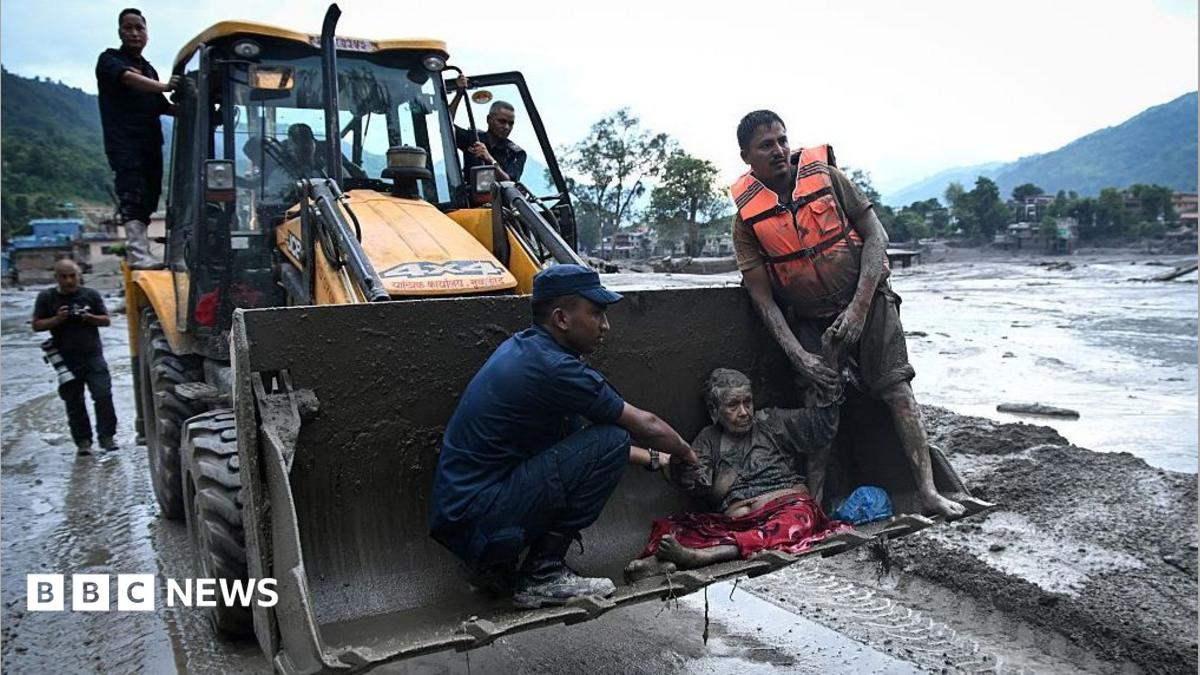
At least 160 people are dead and hundreds remain missing after flash floods and landslides tore through the Nepal-Tibet border. The disaster, which struck on August 26, 2026, erased entire villages and left foreign tourists among those unaccounted for, according to reports from Nepali police and Chinese state media.
A Border Devastated by Flash Floods
Massive Recovery Efforts Underway
Rescue operations are pushing through the border region, where officials warn the death toll will likely rise. Nepali police have recovered 157 bodies. Across the frontier, Chinese state media outlet Xinhua reported that authorities have mobilized nearly 800 emergency workers, 150 vehicles, sniffer dogs, and speed boats to navigate the disaster zone. In Tibet, officials at a border hub reported three confirmed fatalities and 265 people missing.
The International Federation of Red Cross and Red Crescent Societies (IFRC) is distributing emergency supplies, including blankets, stretchers, and body bags. David Fisher, the IFRC head in Nepal, stated that the flooding has wiped out entire villages and market areas.
Hundreds of Foreign Nationals Missing
The Nepal Ministry of Tourism reported that 403 tourists are unaccounted for following the surge. Of that total, 341 are foreign nationals. The missing include 142 Indian citizens, as well as nationals from Australia, Britain, Malaysia, the Netherlands, Portugal, South Africa, South Korea, and the United States.

Australian Prime Minister Anthony Albanese confirmed that 34 Australians are among the missing. The South Korean government reported that nine of its citizens, who were working on a local hydropower project, remain unaccounted for, while 10 others are currently stranded.
Tracing the Origin of the Surge
Government officials and experts are assessing the trigger for the disaster. Nepal’s Foreign Minister Shishir Khanal stated that an earthquake may have initiated a landslide, which then blocked a river and caused a downstream surge. Satellite data analyzed by Nepal’s disaster authority suggests the event may have been caused by a “snow-rock landslide” on the border.
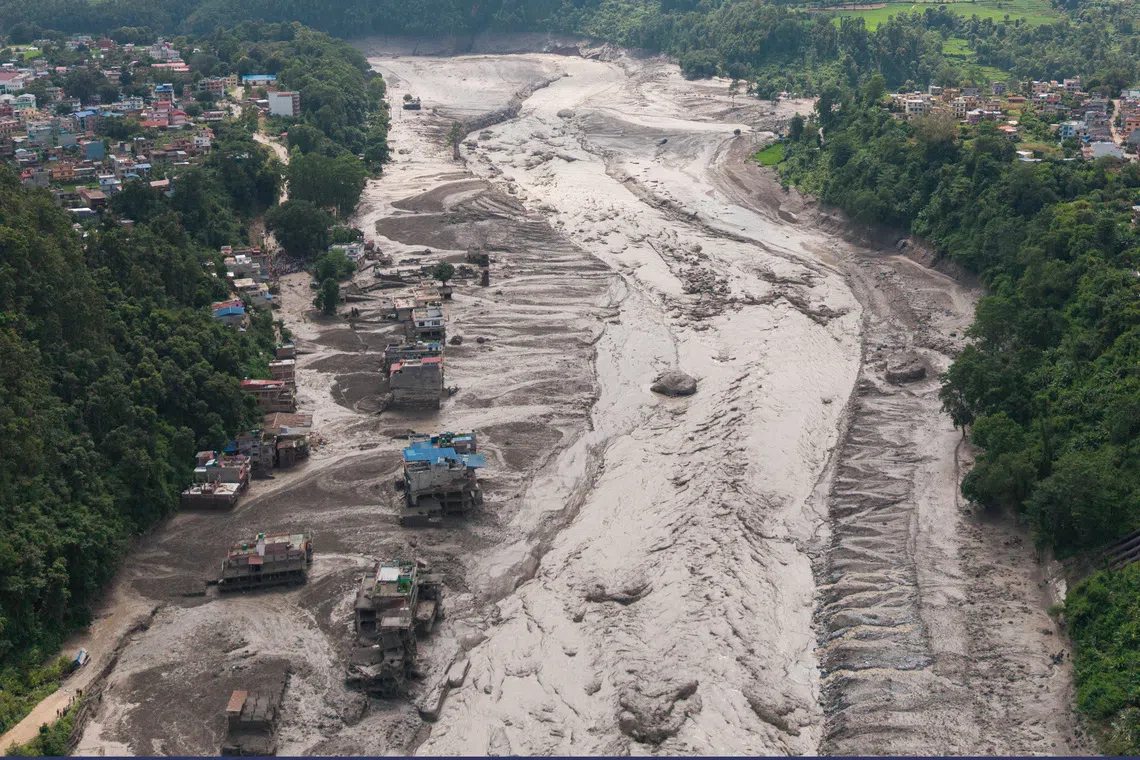
Sarthak Shrestha, a geo-information analyst at the Kathmandu-based International Centre for Integrated Mountain Development (ICIMOD), provided a preliminary assessment indicating that a rock-ice avalanche occurred on the Nepal side of the frontier. This movement blocked the Lhende River, resulting in a cascading flood.
Lingering Dangers in the River Systems
Local authorities have cautioned that the danger has not fully subsided. There is a persistent risk of further flooding due to lingering debris and blockages within the river systems. Nepali army units are conducting aerial reconnaissance and rescue flights, while police have instructed residents in high-risk areas to relocate to safer ground. Chinese officials continue to monitor the situation at the Gyirong Port, where surveillance footage captured a mudslide engulfing multi-story buildings.