Nepal-Tibet Floods Disrupt Mount Kailash Pilgrimage and Leave Hundreds Missing
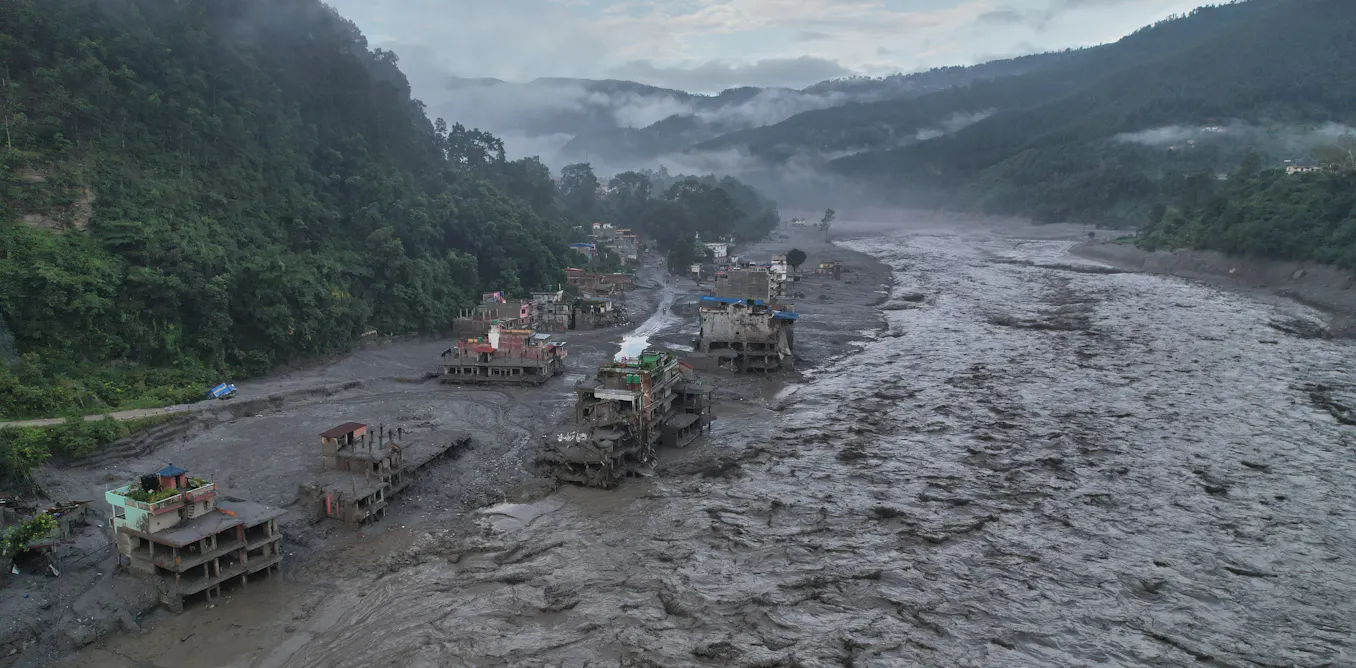
Devastating floods across the Nepal-Tibet border on August 26, 2026, have severely disrupted the sacred pilgrimage to Mount Kailash, leaving hundreds missing, including at least 178 Indian nationals. According to Associated Press reports, the disaster has driven regional death tolls past 950 across Nepal and China, destroying critical border crossings and trapping workers in hydropower tunnels.
Border Devastation and the Mount Kailash Pilgrimage Disruption
The catastrophic weather event struck during the peak of the pilgrimage season, cutting off access routes to Mount Kailash, a Himalayan peak rising more than 6,400 meters above sea level in southwestern Tibet. According to The Conversation, the floods destroyed the primary border crossing used by travelers seeking to reach the holy site. Hindus revere the mountain as the dwelling place of Shiva, while Tibetan Buddhists know it as the abode of Demchok, and Jains identify it as the liberation site of Rishabhanatha. The International Centre for Integrated Mountain Development notes that the region also holds deep significance for the Tibetan Bon tradition.
Traditional pilgrims do not climb the mountain. Instead, they complete a roughly 33-mile circuit around its base, a journey believed to cleanse participants of their sins over the course of three days. Government-run and private itineraries bring thousands through Nepal and Indian border states like Uttarakhand and Sikkim between June and September.
Casualties, Missing Persons, and Rescue Operations
According to Associated Press reporting, the missing population includes travelers from the United States, Australia, Britain, and Canada, alongside 178 individuals from India. Indian spiritual guru Jaggi Vasudev, known as Sadhguru, stated in a post on X that 77 people returning from the mountain with groups organized by his Isha Foundation were stranded at an immigration center in Gyirong, Tibet, when the floods hit.
According to The New York Times, Nepal has put the total cost of the disaster at $5 billion, attributing the extreme weather patterns directly to climate change. Meanwhile, NPR notes that Nepal’s government has faced public scrutiny over its hesitance to accept foreign help for immediate flood relief operations.
Historical Evolution of a Sacred Landscape
The disruption occurs against the backdrop of centuries of evolving religious tradition. Historical texts reveal that the geographical identification of Mount Kailash took centuries to solidify. Sanskrit epics like the Ramayana and Mahabharata mention Kailash and the cosmic mountain Meru as forbidding realms of sages and gods rather than immediate destinations for human travelers. Local traditions in North India eventually identified multiple peaks as Kailash before Tibetan Buddhist traditions, shaped by figures like the 11th-century saint Milarepa, firmly established the western Tibet peak as the primary pilgrimage site known today.

As recovery efforts continue along the border, the immediate priority remains locating the hundreds of missing pilgrims and securing damaged infrastructure.